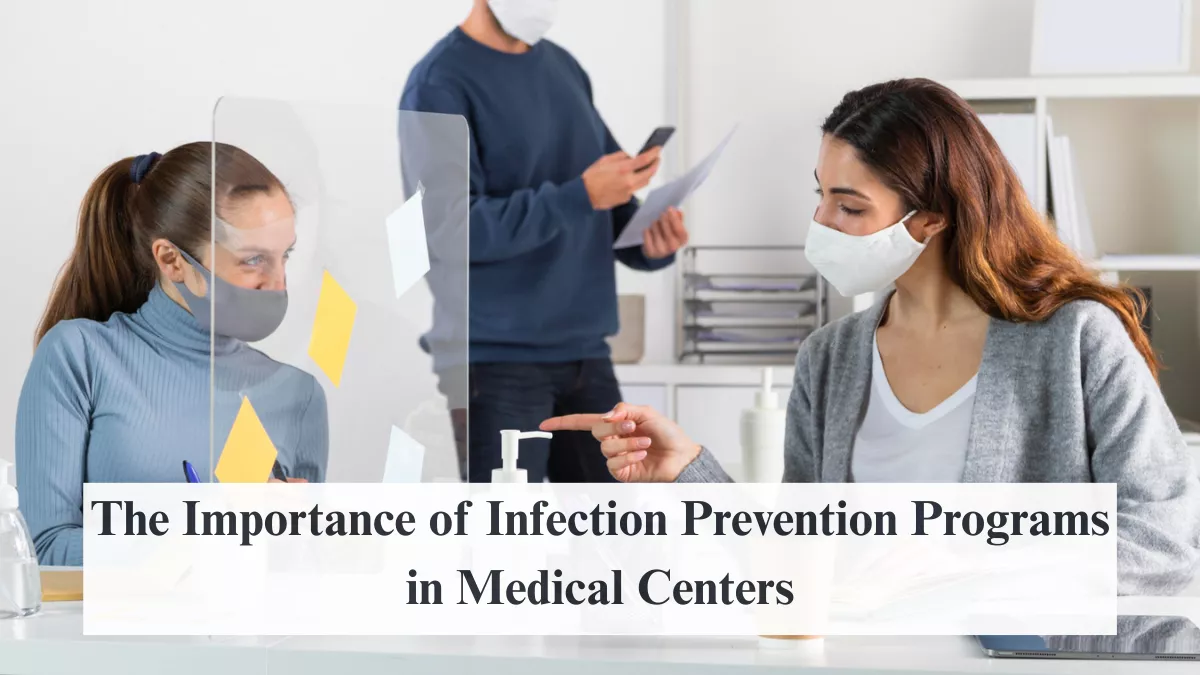
Infection prevention programs are a critical foundation of safe, high-quality healthcare in modern medical centers. As hospitals treat patients with weakened immune systems, chronic illnesses, and complex conditions, the risk of infections increases significantly. Without structured prevention strategies, healthcare-associated infections can spread rapidly, leading to longer hospital stays, higher costs, and avoidable complications. Infection prevention programs focus on reducing these risks through evidence-based practices, staff training, monitoring systems, and patient education.
Medical centers rely on these programs to protect patients, healthcare workers, and visitors while maintaining public trust. From routine hand hygiene to advanced surveillance technologies, infection prevention influences every aspect of hospital operations. Strong programs not only save lives but also support regulatory compliance and operational efficiency. This article explains why infection prevention programs are essential in medical centers, how they function, and the long-term benefits they deliver to patients, providers, and healthcare systems alike.
 How Community Hospitals Are Using AI to Improve Diagnostic Accuracy
Protecting Patient Safety at Every Stage
Infection prevention programs are essential for safeguarding patient safety throughout the entire care journey. Patients entering medical centers often face increased vulnerability due to illness, surgery, or weakened immunity. Without preventive measures, routine procedures can become sources of serious infections. Infection prevention programs establish standardized protocols that reduce exposure to harmful pathogens.
These protocols guide daily practices such as hand hygiene, sterilization, and isolation procedures. By applying consistent standards, medical centers reduce the likelihood of infection transmission between patients. Patient safety improves when preventive actions are embedded into every clinical interaction. Effective programs create a culture where safety is prioritized, ensuring patients receive care in an environment designed to minimize avoidable risks and promote healing.
 The Role of Local Medical Centers in Promoting Heart Health Awareness
Reducing Healthcare-Associated Infections
Healthcare-associated infections represent one of the most significant challenges in medical centers. Infection prevention programs directly target the causes of these infections through surveillance, education, and process improvement. Identifying high-risk areas allows hospitals to intervene before outbreaks occur.
Medical centers use data to track infection patterns and adjust strategies accordingly. Prevention teams analyze trends, investigate incidents, and implement corrective actions. This proactive approach reduces infection rates and improves outcomes. By minimizing healthcare-associated infections, hospitals decrease patient suffering, shorten recovery times, and reduce the financial burden associated with extended treatment and complications.
 How Mobile Clinics Are Expanding Healthcare Access in Underserved Areas
Supporting Healthcare Worker Safety
Infection prevention programs also play a vital role in protecting healthcare workers. Medical staff are regularly exposed to infectious agents while providing care, placing them at risk without proper safeguards. Programs establish clear guidelines for personal protective equipment, vaccination, and exposure response.
By protecting staff health, medical centers maintain workforce stability and morale. Healthy workers are better equipped to deliver consistent, high-quality care. Infection prevention training empowers employees to recognize risks and respond appropriately. This shared responsibility strengthens safety across the organization, benefiting both caregivers and patients through reduced transmission and improved working conditions.
 Why Hospital-Based Exercise Programs Improve Patient Recovery Rates
Strengthening Infection Surveillance Systems
Surveillance is a core component of effective infection prevention programs. Medical centers rely on continuous monitoring to detect early signs of infection trends or outbreaks. Surveillance systems collect data from laboratories, patient records, and clinical observations.
This information enables infection prevention teams to act quickly when risks emerge. Early detection limits spread and supports targeted interventions. Surveillance also helps evaluate the effectiveness of existing prevention strategies. By using data-driven insights, medical centers refine policies and allocate resources efficiently, ensuring infection prevention efforts remain responsive and effective.
 How Community Hospitals Are Supporting Nutrition and Lifestyle Education
Enhancing Staff Education and Training
Education is central to successful infection prevention programs in medical centers. Ongoing training ensures that all staff understand current guidelines, emerging risks, and best practices. Education reinforces consistency in infection control behaviors across departments.
Training programs cover topics such as hand hygiene, equipment handling, and environmental cleaning. Regular updates help staff adapt to new pathogens or regulatory changes. Well-informed healthcare workers are more confident and compliant. Continuous education strengthens accountability and fosters a culture of prevention that supports safer patient care and professional responsibility.
Improving Environmental Cleanliness Standards
Environmental hygiene is a critical focus of infection prevention programs. Medical centers contain numerous surfaces that can harbor pathogens if not properly cleaned. Prevention programs establish strict cleaning protocols tailored to different clinical areas.
Environmental services teams receive specialized training to ensure high-risk zones are addressed effectively. Monitoring systems verify cleaning effectiveness and identify gaps. By maintaining clean environments, hospitals reduce indirect transmission risks. Cleanliness supports patient confidence and contributes to overall infection control, reinforcing the medical center’s commitment to safety and quality care.
Preventing Antimicrobial Resistance
Infection prevention programs contribute significantly to combating antimicrobial resistance. Overuse or misuse of antibiotics accelerates resistance, making infections harder to treat. Prevention efforts reduce infection incidence, decreasing reliance on antibiotics.
Medical centers integrate stewardship principles into infection prevention strategies. Coordinated approaches ensure antibiotics are used appropriately when necessary. Education and monitoring support responsible prescribing. By reducing resistance, infection prevention programs protect the effectiveness of treatments and ensure future patients have access to life-saving therapies.
Supporting Regulatory Compliance
Medical centers must meet strict regulatory standards related to infection control. Infection prevention programs help organizations comply with national and international guidelines. Compliance reduces legal risks and supports accreditation status.
Structured programs provide documentation, audits, and continuous improvement processes. Regulatory readiness becomes part of daily operations rather than reactive efforts. Compliance also demonstrates accountability and transparency. By meeting required standards, medical centers build credibility with patients, partners, and oversight bodies while maintaining high levels of safety.
Enhancing Patient and Family Confidence
Infection prevention programs influence how patients and families perceive medical centers. Visible safety measures reassure visitors that their well-being is a priority. Clear communication about infection control builds trust and understanding.
When patients feel protected, satisfaction and cooperation improve. Education empowers families to support prevention efforts through hygiene and awareness. Confidence enhances engagement and adherence to care plans. Strong infection prevention programs therefore contribute not only to safety but also to positive healthcare experiences and long-term trust.
Reducing Healthcare Costs
Preventing infections significantly reduces healthcare costs for medical centers and patients. Treating infections requires additional resources, extended stays, and complex interventions. Infection prevention programs reduce these expenses through proactive management.
Lower infection rates translate into fewer readmissions and complications. Cost savings can be reinvested into patient services, technology, and staff development. Financial efficiency supports sustainability and access to care. Infection prevention programs thus represent both a clinical and economic investment in healthcare quality.
Adapting to Emerging Health Threats
Medical centers face evolving infectious threats that require adaptable prevention strategies. Infection prevention programs provide frameworks for rapid response during outbreaks or pandemics. Preparedness planning and scenario training support resilience.
Programs update protocols based on emerging evidence and public health guidance. This adaptability ensures timely protection for patients and staff. By anticipating risks, medical centers remain prepared to manage new challenges. Infection prevention programs therefore serve as critical defenses against future health threats.
Last Thought
Infection prevention programs are essential pillars of safe, effective medical care. They protect patients, healthcare workers, and communities by reducing risks and strengthening trust. Through surveillance, education, and continuous improvement, these programs support quality outcomes and sustainability. Medical centers that invest in strong infection prevention strategies demonstrate commitment to safety, responsibility, and long-term healthcare excellence.
FAQs
Why are infection prevention programs important in hospitals?
They reduce infection risks, protect patients and staff, and improve healthcare outcomes.
Who oversees infection prevention programs in medical centers?
Trained infection prevention professionals and multidisciplinary healthcare teams manage these programs.
Do infection prevention programs reduce healthcare costs?
Yes, preventing infections lowers treatment costs and reduces hospital readmissions.
How do patients benefit from infection prevention efforts?
Patients experience safer care, faster recovery, and greater confidence in medical services.