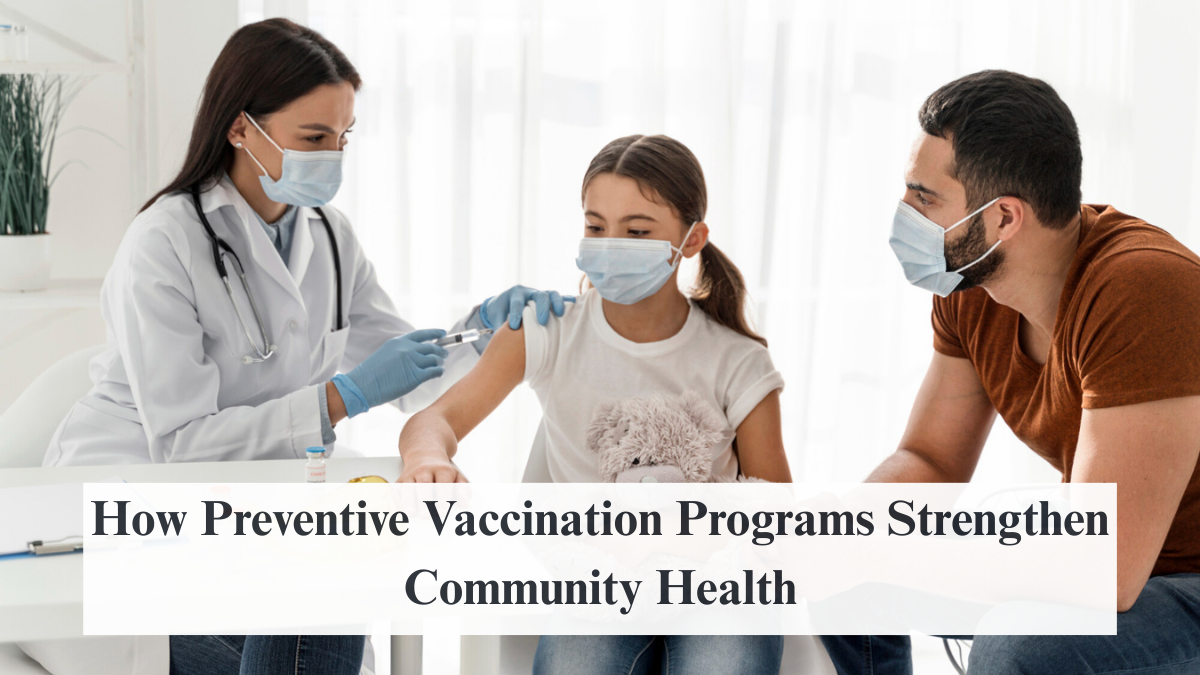
Preventive vaccination programs are a cornerstone of public health, playing a critical role in reducing the prevalence of infectious diseases and safeguarding community well-being. By systematically immunizing populations, these programs prevent the spread of illnesses such as measles, polio, influenza, and whooping cough, protecting both individuals and vulnerable groups. Vaccination initiatives not only save lives but also reduce the burden on healthcare systems by decreasing hospital admissions, long-term treatments, and economic costs associated with outbreaks.
Beyond direct protection, vaccines contribute to herd immunity, limiting disease transmission and protecting those who cannot be vaccinated due to age or medical conditions. Public awareness campaigns, school-based immunization programs, and community health outreach enhance accessibility and coverage, ensuring equitable protection. This article explores how preventive vaccination programs strengthen community health through disease prevention, economic benefits, education, policy support, and fostering trust, highlighting their indispensable role in modern public health infrastructure.
 How Community Hospitals Are Using AI to Improve Diagnostic Accuracy
Reducing Infectious Disease Spread
Preventive vaccination programs significantly reduce the transmission of infectious diseases, protecting communities from outbreaks. By immunizing large populations, these programs interrupt the chain of infection, preventing illnesses from spreading rapidly. Herd immunity occurs when a substantial portion of the population is vaccinated, providing indirect protection to unvaccinated or immunocompromised individuals. This is especially important for diseases that can cause severe complications or death, such as measles or pertussis. Immunization campaigns target both children and adults, ensuring comprehensive coverage across age groups.
Routine vaccinations and booster shots maintain immunity levels, reducing susceptibility to disease resurgence. The implementation of vaccination schedules and monitoring systems allows public health authorities to track immunization rates and respond quickly to gaps. By curbing disease transmission, vaccination programs safeguard not only individual health but also community stability, preventing social disruption, school closures, and the overwhelming of healthcare facilities.
 The Role of Local Medical Centers in Promoting Heart Health Awareness
Protecting Vulnerable Populations
Vaccination programs play a critical role in protecting vulnerable populations who are more susceptible to severe complications from infectious diseases. Infants, elderly individuals, pregnant women, and immunocompromised patients often cannot mount a strong immune response or may be unable to receive certain vaccines. Herd immunity created through community-wide immunization shields these groups by reducing the prevalence of pathogens.
By ensuring high vaccination coverage, public health systems prevent outbreaks that could disproportionately impact vulnerable populations, saving lives and preventing long-term health consequences. Schools, daycares, and healthcare facilities often implement mandatory vaccination policies to safeguard children and patients at risk. Outreach programs provide access to vaccines in underserved areas, addressing disparities in healthcare availability. Protecting vulnerable populations is both a moral and public health imperative, demonstrating the societal responsibility to prevent avoidable illnesses and promote equity in healthcare.
 How Mobile Clinics Are Expanding Healthcare Access in Underserved Areas
Economic Benefits of Vaccination Programs
Preventive vaccination programs provide substantial economic benefits by reducing healthcare costs and preserving productivity. Immunized populations experience fewer illness-related hospitalizations, clinic visits, and long-term treatments, lowering the financial burden on both families and healthcare systems. Vaccines also prevent loss of income due to sick days, ensuring workforce stability and consistent productivity.
In addition, widespread vaccination reduces emergency responses during outbreaks, freeing resources for other essential public health initiatives. Governments and organizations benefit from the cost-effectiveness of vaccines, as prevention is typically more affordable than treatment. Economic modeling consistently shows that every dollar spent on immunization yields significant savings by avoiding medical expenditures and societal losses. By integrating vaccines into public health planning, communities experience improved financial stability, highlighting that preventive healthcare not only saves lives but also sustains economic resilience.
 Why Hospital-Based Exercise Programs Improve Patient Recovery Rates
Promoting Public Awareness and Education
Vaccination programs strengthen community health through public awareness and education initiatives that inform individuals about the importance of immunization. Education campaigns target parents, caregivers, and adults, addressing concerns, dispelling myths, and providing evidence-based information about vaccine safety and efficacy. Schools, media outlets, and healthcare facilities play a crucial role in disseminating messages that encourage participation in immunization programs.
Public awareness programs also emphasize the timing of vaccines, booster requirements, and the risks associated with non-vaccination. By equipping communities with knowledge, vaccination programs foster informed decision-making, improve compliance, and increase immunization coverage. Education initiatives also promote understanding of herd immunity and the societal benefits of vaccination, creating a sense of shared responsibility. Informed communities are more likely to participate in preventive programs, contributing to stronger, healthier populations and reducing the likelihood of outbreaks.
 How Community Hospitals Are Supporting Nutrition and Lifestyle Education
Supporting Global Health Initiatives
Preventive vaccination programs extend their benefits beyond local communities, contributing to global health initiatives aimed at eradicating or controlling infectious diseases. Coordinated international efforts, such as the Global Polio Eradication Initiative and World Health Organization vaccination campaigns, rely on widespread immunization to achieve disease elimination. Local vaccination programs act as critical components of these global strategies by maintaining high coverage, reporting cases, and supporting surveillance systems.
By participating in global immunization efforts, communities prevent cross-border disease transmission, enhance global public health security, and contribute to humanitarian health goals. Vaccines also help contain emerging infectious diseases and respond to pandemics, ensuring timely protection for populations worldwide. The interconnected nature of public health highlights that local vaccination programs are integral to achieving broader health outcomes, emphasizing the universal responsibility of communities to participate in disease prevention efforts.
Strengthening Public Health Infrastructure
Vaccination programs reinforce public health infrastructure by creating systems for surveillance, distribution, and emergency response. Cold chain management, vaccine storage, and transportation networks are critical components of effective immunization campaigns. These logistical systems ensure vaccine efficacy and timely delivery, supporting the broader healthcare ecosystem. Vaccination programs also necessitate trained personnel, recordkeeping systems, and monitoring protocols that enhance overall healthcare capacity.
Surveillance mechanisms track disease incidence, identify gaps in coverage, and enable rapid response to outbreaks. By strengthening infrastructure, vaccination initiatives improve the ability of public health authorities to respond to health emergencies and coordinate preventive strategies. These programs not only protect against specific diseases but also enhance resilience against emerging health threats, creating a robust framework for sustaining community health over time.
Addressing Vaccine Hesitancy
Vaccine hesitancy poses a significant challenge to community health, and preventive programs play a crucial role in addressing it. Public education campaigns provide accurate information about vaccine safety, efficacy, and the importance of immunization, countering misinformation and myths. Healthcare providers engage in personalized counseling to answer questions, address concerns, and build trust with hesitant individuals. Community leaders, schools, and religious organizations often participate in advocacy efforts to encourage vaccination.
Transparent communication about potential side effects and the rigorous approval process reinforces credibility. By addressing hesitancy proactively, programs increase immunization coverage, strengthen herd immunity, and prevent outbreaks. Successful strategies include combining education, accessibility, and social support to create an environment where vaccination is understood, trusted, and widely accepted, ensuring long-term community protection.
Encouraging Lifelong Immunization
Preventive vaccination programs promote lifelong immunity by encouraging adherence to recommended vaccination schedules across all age groups. While pediatric immunizations are essential, adult vaccines such as influenza, tetanus boosters, and shingles immunizations ensure ongoing protection and prevent the resurgence of diseases. Programs educate the public on age-specific recommendations, booster intervals, and emerging vaccines for new health threats.
By fostering awareness and compliance, communities maintain high immunity levels, reducing disease transmission and healthcare costs. Lifelong immunization also supports workplace productivity, school attendance, and general well-being, creating healthier populations and communities. Public health policies, reminder systems, and outreach initiatives reinforce adherence, demonstrating that preventive vaccination is a continuous commitment rather than a one-time intervention, ultimately strengthening the health of individuals and society as a whole.
Last Thought
Preventive vaccination programs are essential for protecting individual health, preventing disease spread, and strengthening community resilience. By reducing infectious disease prevalence, protecting vulnerable populations, and promoting lifelong immunity, these programs contribute to robust public health systems. Education, infrastructure development, and global cooperation enhance program effectiveness, while addressing vaccine hesitancy ensures widespread participation.
Economic benefits and reduced healthcare burdens further highlight the value of preventive immunization. Communities that embrace vaccination initiatives enjoy improved health outcomes, stability, and preparedness against emerging threats. Preventive programs are not only medical interventions but also societal investments, reinforcing trust, equity, and collective responsibility. Their ongoing implementation is critical for sustaining a healthier, safer, and more resilient population.
FAQs
What is the main benefit of preventive vaccination programs?
They prevent infectious diseases, reduce hospitalizations, protect vulnerable populations, and promote herd immunity.
How do vaccination programs protect the community?
By achieving high coverage, they limit disease transmission, protect unvaccinated individuals, and reduce outbreak risks.
Why is public education important for vaccines?
Education dispels myths, addresses hesitancy, and encourages participation, ensuring higher immunization rates.
Do vaccines provide lifelong protection?
Some vaccines offer long-term immunity, while others require boosters to maintain protection throughout life.