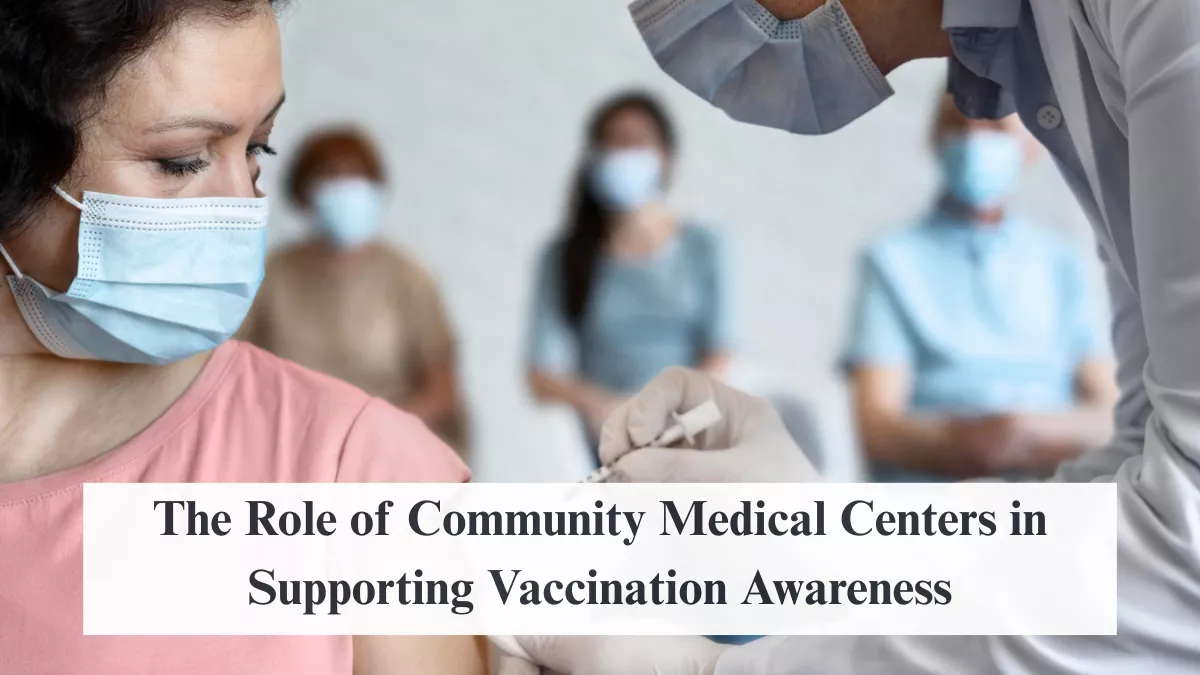
Vaccinations are a cornerstone of public health, preventing the spread of infectious diseases and protecting vulnerable populations. Community medical centers play a critical role in increasing vaccination awareness and improving immunization rates. These centers serve as accessible healthcare providers for families, children, seniors, and at-risk populations.
Beyond administering vaccines, community medical centers educate patients about the importance of immunization, address misconceptions, and promote adherence to recommended vaccination schedules. Awareness initiatives help reduce vaccine-preventable illnesses, lower hospitalization rates, and protect communities from outbreaks. In an era where misinformation and vaccine hesitancy can hinder public health efforts, local medical centers act as trusted sources of evidence-based guidance. By combining patient education, outreach programs, and collaborative community efforts, they help ensure that immunization remains a top priority in preventive healthcare.
 How Community Hospitals Are Using AI to Improve Diagnostic Accuracy
Understanding the Importance of Vaccination Awareness
Vaccination awareness refers to the knowledge, attitudes, and behaviors that influence individuals to seek immunization. Community medical centers recognize that awareness is as important as availability. Educated patients are more likely to understand the benefits of vaccines, adhere to schedules, and make informed decisions.
Awareness campaigns target diverse populations, including parents of young children, adults requiring booster shots, and high-risk individuals with chronic health conditions. Medical centers ensure that the community understands how vaccines protect both individuals and society. Increasing vaccination awareness reduces the incidence of preventable diseases, alleviates pressure on healthcare systems, and fosters healthier communities.
 The Role of Local Medical Centers in Promoting Heart Health Awareness
Addressing Vaccine Hesitancy
Vaccine hesitancy is a growing challenge worldwide. Some individuals delay or refuse vaccines due to misinformation, fear of side effects, or cultural beliefs. Community medical centers address these concerns through education, one-on-one consultations, and public awareness campaigns.
Staff provide accurate, evidence-based information, clarify misconceptions, and answer questions in a supportive environment. Engaging patients empathetically helps build trust and encourages informed decisions. By addressing hesitancy proactively, medical centers improve immunization rates and protect public health.
 How Mobile Clinics Are Expanding Healthcare Access in Underserved Areas
Patient Education Initiatives
Patient education is a key strategy for promoting vaccination awareness. Community medical centers offer educational materials, workshops, seminars, and digital resources to inform patients about vaccine schedules, benefits, and potential side effects.
Education also includes guidance on how vaccines contribute to herd immunity and prevent community outbreaks. Hospitals emphasize age-appropriate communication for children, teenagers, and adults. Effective education empowers patients to make informed health decisions, promotes adherence to vaccination schedules, and reduces preventable illnesses.
 Why Hospital-Based Exercise Programs Improve Patient Recovery Rates
Integrating Vaccination Into Routine Care
Community medical centers integrate vaccination awareness into routine healthcare encounters. During annual checkups, prenatal visits, or chronic care appointments, providers discuss immunization needs. By embedding vaccine discussions in routine care, patients are more likely to follow through with recommended vaccines.
Providers also assess vaccination histories, identify gaps, and provide catch-up immunizations. Integrating vaccination into everyday care ensures consistency, improves adherence, and reinforces the message that vaccines are an essential part of preventive health.
 How Community Hospitals Are Supporting Nutrition and Lifestyle Education
Multidisciplinary Approach to Vaccine Promotion
A multidisciplinary approach enhances the effectiveness of vaccination programs. Physicians, nurses, pharmacists, and administrative staff work collaboratively to educate patients, administer vaccines, and track compliance. Community medical centers leverage the expertise of health educators, social workers, and public health specialists to reach diverse populations.
Collaboration ensures that all aspects of vaccination awareness—from patient counseling to follow-up reminders—are coordinated and effective. Multidisciplinary teams provide holistic support and improve the likelihood of successful immunization campaigns.
School-Based Vaccination Programs
Schools are critical partners in promoting vaccination awareness among children and adolescents. Community medical centers collaborate with educational institutions to implement school-based programs. These initiatives include on-site vaccination clinics, informational sessions for students and parents, and outreach campaigns about seasonal immunizations like influenza and HPV vaccines. School-based programs reduce access barriers, educate families, and increase vaccination coverage. By working with schools, medical centers extend their reach and promote early adoption of healthy habits.
Community Outreach and Engagement
Outreach initiatives are essential for reaching populations that may face barriers to vaccination, such as limited transportation, language challenges, or socioeconomic constraints. Community medical centers organize vaccination drives, mobile clinics, and local health fairs to provide convenient access. Outreach programs also educate community members about the importance of vaccines, dispel myths, and promote preventive care. Active engagement strengthens relationships between healthcare providers and the communities they serve, fostering trust and increasing participation in vaccination programs.
Leveraging Technology for Vaccination Awareness
Technology plays a vital role in supporting vaccination initiatives. Community medical centers utilize electronic health records (EHRs) to track immunizations, send reminders, and generate alerts for upcoming vaccines. Patient portals allow families to access vaccine histories and educational resources. Social media campaigns, mobile apps, and telehealth consultations further enhance awareness and convenience. Technology allows medical centers to reach broader audiences, provide timely information, and support adherence to immunization schedules.
Addressing Cultural and Language Barriers
Cultural sensitivity is critical in promoting vaccination awareness. Community medical centers tailor education and outreach efforts to respect diverse cultural practices, beliefs, and languages. Providing materials in multiple languages, employing culturally competent staff, and engaging community leaders helps overcome hesitancy and access challenges. Understanding community norms and values allows medical centers to communicate effectively and encourage participation in vaccination programs.
Collaborating With Public Health Authorities
Partnerships with local and regional public health authorities enhance vaccination efforts. Community medical centers work alongside public health agencies to monitor disease trends, coordinate vaccine supply, and implement community-wide campaigns. Collaboration ensures alignment with national vaccination schedules and public health priorities. Public health partnerships also provide data and resources to support evidence-based decision-making and effective outreach.
Tracking and Reporting Vaccination Coverage
Monitoring immunization rates is essential for evaluating program success. Community medical centers use data collection systems to track coverage by age, location, and population subgroup. Reporting helps identify gaps, prioritize interventions, and allocate resources effectively. Accurate data enables medical centers to tailor awareness campaigns, improve patient follow-up, and demonstrate program impact to stakeholders. Tracking and reporting also facilitate compliance with public health mandates and accreditation standards.
Promoting Adult and High-Risk Population Vaccinations
While pediatric vaccinations are often the focus, community medical centers also promote immunizations for adults and high-risk populations. Programs target seasonal influenza, shingles, pneumococcal, and COVID-19 vaccines, among others.
Education emphasizes the importance of protecting both individuals and vulnerable community members. Tailored outreach ensures that adults understand schedules, benefits, and potential side effects. Targeting high-risk groups reduces disease burden and prevents complications.
Addressing Misinformation and Social Media Influence
The rise of misinformation on social media poses challenges to vaccination efforts. Community medical centers counteract false narratives by providing accurate, evidence-based information. Staff engage with patients directly, offer credible online resources, and participate in community forums to answer questions. Public awareness campaigns leverage social media positively to disseminate factual information and highlight success stories. Combatting misinformation protects public health and builds confidence in vaccines.
Emergency and Seasonal Vaccination Campaigns
Community medical centers often organize targeted vaccination campaigns during disease outbreaks or seasonal peaks. These initiatives include flu vaccination drives, COVID-19 booster clinics, and catch-up immunizations for children. Campaigns focus on timely communication, accessibility, and education. Emergency and seasonal programs increase coverage rates, reduce transmission, and prevent hospitalizations. Medical centers coordinate with schools, community organizations, and public health agencies to maximize impact.
Training Staff in Vaccine Communication
Effective communication is essential for promoting vaccination awareness. Community medical centers train staff to discuss vaccines clearly, address concerns empathetically, and provide consistent messaging. Staff are educated on scientific evidence, regulatory recommendations, and common misconceptions. Skilled communication builds trust, encourages patient engagement, and reduces hesitancy. Ongoing training ensures that staff remain up-to-date with evolving guidelines and best practices.
Encouraging Family and Community Involvement
Family involvement reinforces vaccination awareness and adherence. Community medical centers encourage parents and caregivers to participate in educational sessions, ask questions, and advocate for their children’s health. Community leaders, faith organizations, and local influencers are engaged to promote immunization messages. Collaborative involvement strengthens trust, increases program visibility, and improves participation rates.
Integrating Vaccination With Preventive Care
Vaccination programs are most effective when integrated into comprehensive preventive care. Community medical centers combine immunization with routine checkups, screenings, and wellness visits. Integrated care ensures that vaccination becomes a standard part of health maintenance rather than an isolated service. Patients benefit from holistic care that addresses multiple preventive health needs simultaneously. Integration also improves efficiency and reinforces the importance of vaccines in overall health.
Overcoming Access and Equity Challenges
Access disparities remain a barrier to vaccination. Community medical centers work to reduce geographic, economic, and social obstacles. Strategies include mobile clinics, sliding scale fees, transportation assistance, and partnerships with local organizations. Equity-focused initiatives ensure that all community members, regardless of income or location, can access vaccines. Overcoming these challenges strengthens public health and promotes fairness in healthcare delivery.
Measuring Program Success and Impact
Evaluating vaccination awareness programs allows community medical centers to refine strategies and demonstrate effectiveness. Metrics include immunization rates, patient knowledge retention, outreach participation, and reduction in disease incidence. Continuous monitoring identifies areas for improvement and guides resource allocation. Evaluating outcomes ensures accountability, enhances program quality, and maximizes community health benefits.
Sustaining Vaccination Awareness Programs
Sustainable vaccination programs require ongoing commitment, funding, and community engagement. Community medical centers develop long-term strategies that include staff training, educational campaigns, and partnerships with schools and organizations.
Sustainability ensures consistent coverage, continuous education, and adaptation to emerging health threats. Ongoing support fosters trust, maintains high immunization rates, and protects the population from preventable diseases.
Future Directions in Vaccination Awareness
Future efforts will increasingly leverage digital health tools, predictive analytics, and targeted outreach strategies. Community medical centers may use apps, telehealth, and artificial intelligence to identify at-risk populations, personalize messaging, and improve follow-up.
Expanding partnerships with public health authorities, schools, and media platforms will enhance reach and effectiveness. Innovation ensures that vaccination awareness evolves with changing population needs and emerging health challenges.
Conclusion: Strengthening Communities Through Awareness
Community medical centers are essential in promoting vaccination awareness, improving immunization rates, and protecting public health. Through patient education, outreach programs, staff training, and collaboration with schools and public health authorities, these centers empower communities to make informed decisions about immunization. Awareness initiatives help prevent disease, reduce hospitalizations, and strengthen overall health.
By integrating vaccination into routine care, addressing disparities, and leveraging technology, community medical centers ensure that vaccines reach those who need them most. Continued investment in awareness programs builds healthier, safer communities and safeguards future generations from preventable illnesses.