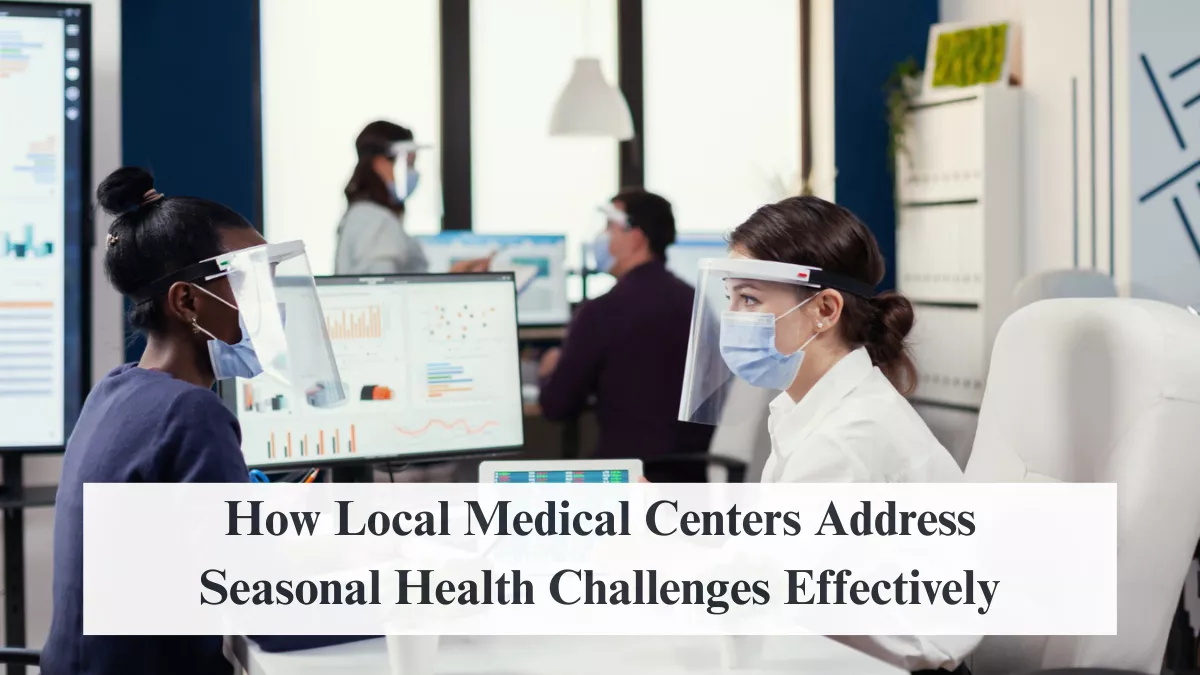
Seasonal changes can significantly impact public health, influencing the prevalence of illnesses, hospital admissions, and overall community wellbeing. Local medical centers play a crucial role in anticipating, preventing, and managing seasonal health challenges, such as influenza outbreaks, allergy spikes, heatwaves, and cold-related illnesses. By preparing for seasonal variations, medical centers protect vulnerable populations, optimize resource allocation, and promote community wellness. Seasonal health initiatives include preventive care, public education, immunization campaigns, and coordination with public health authorities.
These efforts ensure that individuals are informed, prepared, and able to access timely care during peak health risk periods. Effectively addressing seasonal health challenges reduces hospitalization rates, improves quality of life, and strengthens community resilience against health threats associated with changing seasons.
Understanding Seasonal Health Challenges
Seasonal health challenges are patterns of illness or increased health risks that occur at specific times of the year. Common seasonal challenges include influenza and respiratory infections during winter, heat-related illnesses in summer, allergy exacerbations in spring, and chronic disease flare-ups related to weather changes.
 How Community Hospitals Are Using AI to Improve Diagnostic Accuracy
Vulnerable populations, including the elderly, children, individuals with chronic conditions, and pregnant women, are disproportionately affected. Understanding these patterns allows local medical centers to implement targeted interventions, optimize staffing, and prepare facilities for seasonal surges in patient visits. Proactive planning ensures timely and effective management of seasonal health threats.
Influenza and Respiratory Infection Management
Influenza and other respiratory infections are prominent seasonal health challenges during fall and winter. Local medical centers implement vaccination campaigns, educate the public about hygiene practices, and monitor infection trends. Immunization clinics, outreach programs, and mobile units increase access to flu vaccines, particularly for at-risk populations.
 The Role of Local Medical Centers in Promoting Heart Health Awareness
Education initiatives emphasize proper handwashing, cough etiquette, and early recognition of symptoms. Medical centers also ensure adequate staffing, isolation protocols, and antiviral medication availability to manage increased patient loads during peak infection periods. Preventive measures combined with timely treatment reduce hospital admissions and community transmission.
Allergy and Asthma Season Preparedness
Spring and early summer often bring elevated pollen levels and environmental allergens, triggering allergies and asthma exacerbations. Local medical centers provide patient education on symptom management, preventive strategies, and medication adherence. Clinics may offer allergy testing, immunotherapy guidance, and asthma action plans. Outreach programs inform patients about avoiding triggers, maintaining indoor air quality, and monitoring air quality indices. By proactively addressing seasonal allergies and asthma, medical centers prevent complications, reduce emergency visits, and enhance patient quality of life during high-risk periods.
 How Mobile Clinics Are Expanding Healthcare Access in Underserved Areas
Heatwaves and Summer Health Initiatives
Extreme heat poses significant health risks, particularly for the elderly, children, and individuals with chronic illnesses. Local medical centers develop heatwave preparedness programs, including public education on hydration, heat illness recognition, and cooling strategies. Community outreach may involve distributing water, offering cooling center information, and alerting vulnerable populations through local networks. Hospitals ensure sufficient staffing and emergency response capabilities to manage heat-related conditions. Preventive strategies reduce hospitalizations for heatstroke, dehydration, and cardiovascular complications.
Cold Weather and Winter Illness Management
Cold weather increases the incidence of hypothermia, frostbite, respiratory infections, and cardiovascular events. Local medical centers address winter health challenges by educating the public on appropriate clothing, safe heating practices, and vaccination. Community programs may provide shelters, warm clothing distribution, and guidance for high-risk populations. Medical centers also coordinate with local authorities to ensure accessible healthcare services during snowstorms, icy conditions, or extreme cold periods. Proactive measures mitigate winter-related morbidity and ensure continuity of care for vulnerable individuals.
 Why Hospital-Based Exercise Programs Improve Patient Recovery Rates
Chronic Disease Monitoring During Seasonal Changes
Seasonal fluctuations can exacerbate chronic conditions, including diabetes, cardiovascular disease, arthritis, and respiratory disorders. Local medical centers implement monitoring programs to track patient health, adjust medication plans, and provide guidance on lifestyle adaptations. Telehealth services and regular check-ins allow physicians to support patients remotely. By anticipating seasonal impacts on chronic conditions, medical centers prevent hospital admissions, manage flare-ups, and maintain patient stability.
Vaccination Campaigns and Preventive Care
Vaccinations are critical for addressing seasonal health risks such as influenza, pneumonia, and COVID-19. Local medical centers organize community-wide immunization drives, offering vaccines in clinics, schools, and mobile units. Preventive care also includes screenings, health checkups, and patient education on nutrition, hydration, and exercise during specific seasons. Outreach campaigns focus on vulnerable populations, ensuring equitable access to preventive services. Vaccination and preventive care programs reduce disease prevalence and healthcare strain during seasonal peaks.
 How Community Hospitals Are Supporting Nutrition and Lifestyle Education
Community Education and Awareness Programs
Education is a cornerstone of seasonal health management. Local medical centers conduct workshops, seminars, social media campaigns, and printed materials to raise awareness about seasonal health risks. Topics include influenza prevention, allergy management, hydration during heatwaves, cold weather precautions, and chronic disease management. Awareness campaigns empower community members to adopt preventive behaviors, recognize early warning signs, and seek timely medical care. Well-informed communities experience fewer complications and improved health outcomes.
Telehealth Services for Seasonal Health Management
Telehealth is increasingly used to address seasonal health challenges efficiently. Local medical centers provide virtual consultations, remote monitoring, and online education, allowing patients to access care without exposing themselves to infectious environments or extreme weather. Telehealth reduces hospital congestion during peak seasons, enhances patient convenience, and facilitates timely intervention. Digital platforms also support chronic disease management, medication adherence, and follow-up care during high-risk periods.
Mobile Health Units and Outreach Clinics
Mobile health units and outreach clinics extend seasonal health services to underserved populations. These initiatives provide vaccinations, screenings, and education in neighborhoods with limited healthcare access. Mobile units ensure equitable distribution of care during influenza season, allergy spikes, or extreme weather events. Outreach programs foster community trust, increase preventive care uptake, and reduce hospital admissions by offering early intervention in accessible locations.
Collaboration With Schools and Workplaces
Local medical centers partner with schools and workplaces to implement seasonal health programs. School-based programs include vaccination drives, allergy and asthma management education, and hygiene awareness campaigns. Workplace initiatives focus on influenza prevention, stress management, and wellness promotion. Collaborations ensure that seasonal health measures reach large population segments, reducing absenteeism and improving community-wide resilience.
Monitoring Environmental and Seasonal Health Trends
Monitoring environmental factors such as air quality, temperature fluctuations, pollen counts, and humidity is essential for anticipating seasonal health challenges. Local medical centers track trends and issue public advisories to guide community behavior. Advanced surveillance systems allow hospitals to forecast spikes in respiratory infections, heat-related illnesses, or allergy exacerbations. Proactive monitoring facilitates timely resource allocation, enhances preparedness, and improves response times during seasonal peaks.
Mental Health Considerations in Seasonal Changes
Seasonal shifts can impact mental health, contributing to conditions such as seasonal affective disorder, stress, and anxiety. Local medical centers integrate mental health support into seasonal health initiatives. Programs may include counseling, workshops, mindfulness training, and community support groups. Addressing mental health alongside physical health ensures comprehensive care and enhances overall wellbeing. Early intervention reduces the impact of seasonal mood fluctuations and improves quality of life.
Resource Allocation and Staffing During Peak Seasons
Seasonal health challenges often increase patient volume, necessitating careful resource allocation. Local medical centers plan staffing, equipment availability, and bed management to handle peak periods efficiently. Cross-training staff, preparing emergency protocols, and maintaining adequate supplies ensure readiness for influenza surges, heatwave emergencies, or allergy spikes. Efficient resource management prevents delays in care and improves patient outcomes.
Emergency Preparedness for Seasonal Surges
Medical centers incorporate seasonal surges into their emergency preparedness plans. Protocols outline triage procedures, surge capacity management, and coordination with local emergency services. Drills and simulations prepare staff for high-volume situations, ensuring timely and organized responses. Preparedness planning reduces chaos during peak seasons and enhances hospital efficiency and response times.
Addressing Vulnerable Populations
Certain groups, including the elderly, infants, pregnant women, and individuals with chronic illnesses, are more susceptible to seasonal health challenges. Local medical centers implement targeted programs to support these populations. Interventions may include home visits, vaccination outreach, telehealth consultations, and educational resources. Ensuring that high-risk groups receive timely care prevents complications and reduces strain on emergency services.
Collaborating With Public Health Agencies
Local medical centers work closely with public health authorities to coordinate seasonal health initiatives. Collaboration includes reporting disease trends, sharing resources, and participating in community-wide awareness campaigns. Public health partnerships ensure that hospitals align with broader strategies for disease prevention, vaccination, and emergency preparedness. Coordinated efforts enhance efficiency, coverage, and community protection.
Health Campaigns for Allergies and Asthma
Allergy and asthma management are crucial components of seasonal health programs. Local medical centers provide education on trigger avoidance, inhaler use, and monitoring techniques. Outreach may include pollen alerts, preventive care instructions, and school-based programs for children with asthma. Effective allergy and asthma campaigns reduce emergency visits, hospitalizations, and disruptions to daily life during high-risk seasons.
Nutrition and Hydration Programs
Nutrition and hydration play a significant role in seasonal health management. Hospitals offer guidance on maintaining adequate fluid intake during hot months, balanced diets during winter, and nutrient-rich foods to boost immunity. Outreach programs may include cooking demonstrations, nutrition counseling, and distribution of educational materials. Proper nutrition and hydration prevent illness, improve energy levels, and enhance resilience against seasonal health risks.
Vaccination Awareness and Compliance
Promoting vaccination compliance is a core component of seasonal health initiatives. Local medical centers provide information on vaccine schedules, benefits, and potential side effects. Community outreach, social media campaigns, and school-based programs increase awareness and accessibility. Ensuring high vaccination coverage prevents outbreaks, protects vulnerable populations, and reduces the overall burden on healthcare facilities during peak seasons.
Monitoring and Evaluating Program Impact
Evaluating the effectiveness of seasonal health initiatives is critical for continuous improvement. Hospitals track metrics such as vaccination rates, screening outcomes, patient attendance at educational sessions, and incidence of seasonal illnesses. Data analysis informs program adjustments, resource allocation, and strategy refinement. Continuous evaluation ensures that initiatives remain relevant, effective, and responsive to community needs.
Innovative Approaches for Future Seasonal Health Challenges
Local medical centers are adopting innovative strategies to address evolving seasonal health challenges. These include telemedicine expansion, mobile app-based education, predictive analytics for disease trends, and integrated community partnerships. Technology and data-driven approaches enhance outreach, resource planning, and preventive care delivery. Innovation ensures that hospitals are prepared for emerging seasonal health threats and can respond effectively to changing environmental and population health conditions.
Conclusion: Building Resilient Communities Through Seasonal Health Programs
Local medical centers play an essential role in mitigating seasonal health challenges and promoting community wellbeing. Through vaccination campaigns, preventive care, educational outreach, chronic disease management, telehealth, and collaboration with public health authorities, hospitals provide comprehensive seasonal health support. Proactive interventions reduce disease incidence, prevent hospital overcrowding, and protect vulnerable populations.
By monitoring trends, addressing mental and physical health needs, and leveraging technology, hospitals enhance community resilience. Seasonal health programs not only improve individual outcomes but also foster long-term wellness and strengthen public health infrastructure. Local medical centers are critical partners in creating informed, healthy, and resilient communities capable of facing seasonal health challenges effectively.