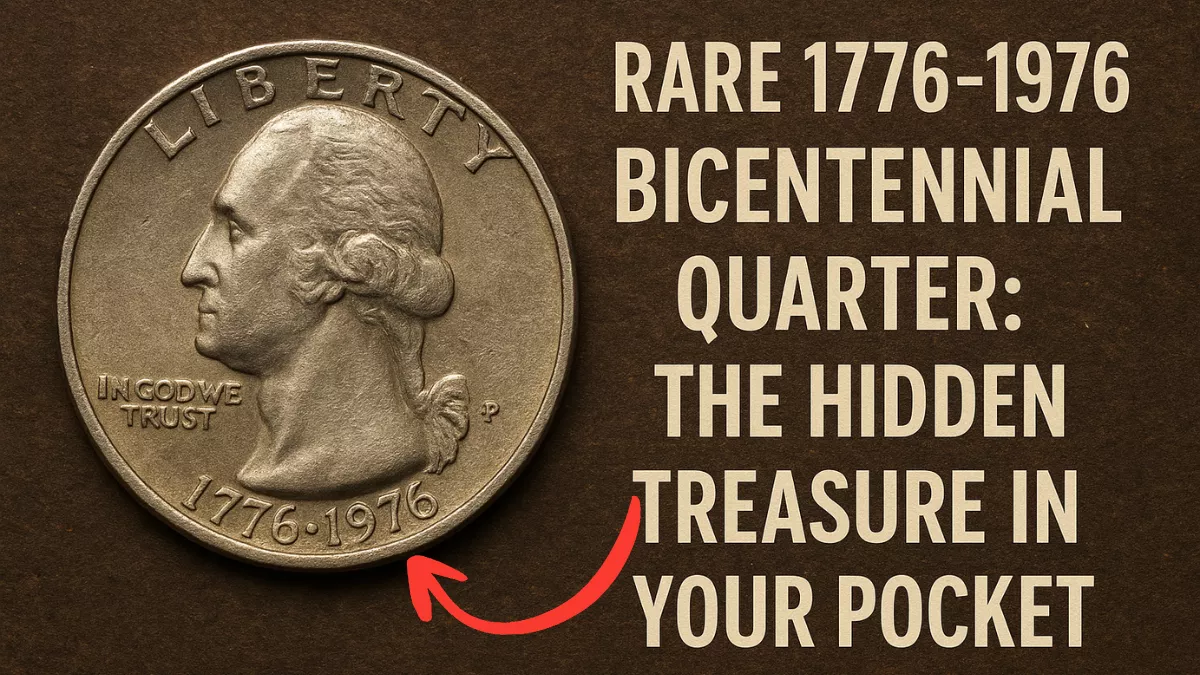
Imagine reaching into your pocket and discovering a small, gleaming piece of history—a coin minted to celebrate the United States’ 200th anniversary. The 1776–1976 Bicentennial Quarter isn’t just a piece of currency; it’s a symbol of American heritage and a potential hidden treasure.
For collectors and enthusiasts, this coin represents both historical significance and collectible value. Even casual holders may be surprised to learn that some of these quarters are worth far more than their face value.
 1976 Drummer Boy Quarter Value Guide Rare Coins Worth $550,000
What Makes the Bicentennial Quarter Unique?
The Bicentennial Quarter is easily distinguished by its design. Unlike the standard quarter, the reverse features a colonial drummer surrounded by thirteen stars representing the original colonies, rather than the traditional eagle.
The obverse retains George Washington’s familiar profile, but the dual date “1776–1976” clearly marks it as a commemorative coin. While billions were minted for circulation, certain versions—like proof coins or silver-clad quarters issued in special collector sets—are rare and highly sought after.
 Rare Bicentennial Quarter Worth $3.2 Million – Check Your Change Today
How to Identify Valuable Bicentennial Quarters
Not all Bicentennial quarters carry significant value, but a few key indicators can help collectors. Mint marks, usually a “D” for Denver or “S” for San Francisco, can point to rarer coins. Coins in excellent condition with sharp details and minimal wear are more desirable.
Special varieties or minting errors, such as double strikes, off-center designs, or missing elements, are also highly collectible. Even coins that appear ordinary can sometimes hold hidden value, making careful inspection important.
 Sacagawea Dollar Value Chart 2026 Complete Guide to Mint Marks Errors and Grades
Preserving Your Bicentennial Quarter
Proper care can protect your coin’s value. Avoid cleaning it, as polishing or scrubbing can reduce its collector appeal. Store it in soft flips or airtight capsules to prevent scratches, and keep it in a stable environment away from direct sunlight or high humidity. These simple steps ensure that your coin retains its original luster and condition, which can make a significant difference in market value.
Tips for Selling or Appraising Your Quarter
If you’re considering selling or appraising your quarter, taking the right steps is essential. Consult reputable coin dealers who specialize in U.S. coins and consider professional grading services.
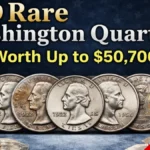 9 Rare Washington Quarters Worth Up to $50,700 – Full Value Guide & Details
Grading companies evaluate authenticity, condition, and market value, which often makes it easier to sell at a fair price. Researching recent sales of similar coins can also give insight into current market trends, helping you get the most out of your rare find.
Conclusion
The 1776–1976 Bicentennial Quarter is more than a collectible; it is a tangible piece of American history. With its distinctive design, special variants, and occasional minting errors, this small coin can hold surprising value.
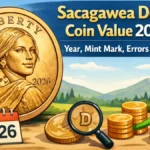 Sacagawea Dollar Coin Value 2026: Year, Mint Mark, Errors & Tips
By learning how to identify, protect, and appraise these quarters, even casual coin holders may discover a hidden treasure in their pocket—connecting the nation’s past with potential rewards today.
FAQ’s
What makes the 1776–1976 quarter special?
It celebrates the U.S. Bicentennial with a dual date and a colonial drummer design on the reverse.
Are all Bicentennial quarters valuable?
No, most are common, but silver proofs, uncirculated coins, and mint errors hold higher value.
How can I tell if my quarter is silver?
Silver Bicentennial quarters are heavier, have a distinct color, and were issued in special mint sets.
Should I clean my Bicentennial quarter?
No, cleaning can damage the coin and drastically reduce collector value.