
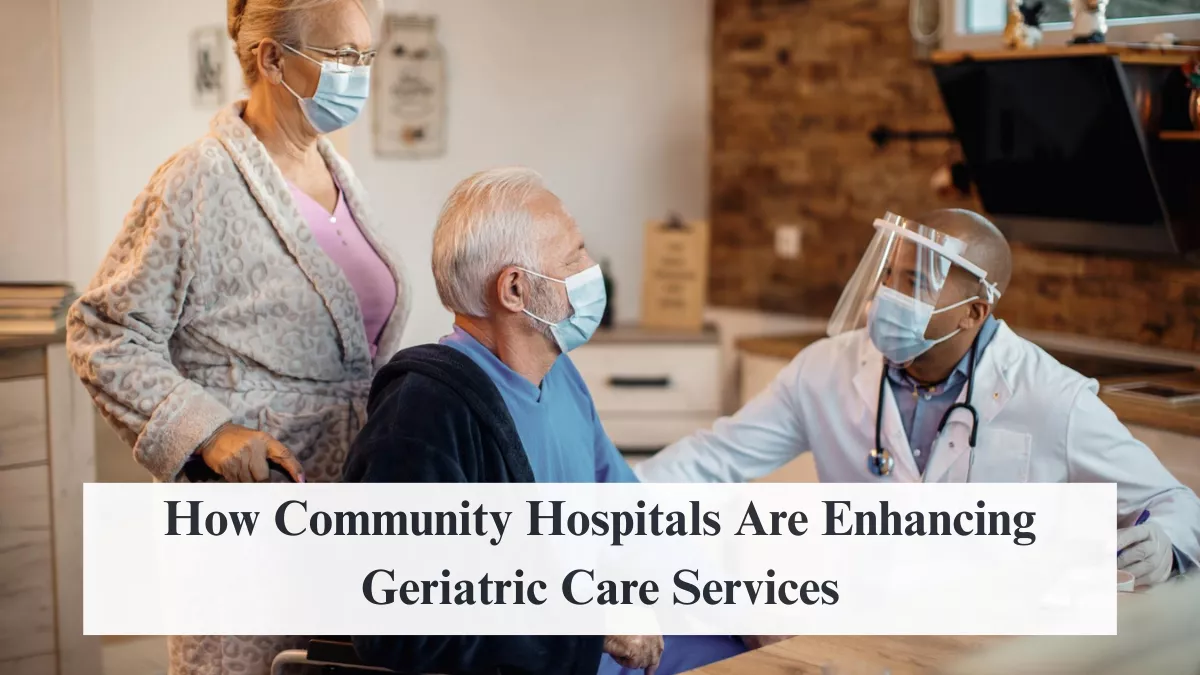
Community hospitals across the country are increasingly recognizing the importance of specialized geriatric care services to meet the needs of an aging population. As life expectancy rises, so does the prevalence of chronic illnesses, mobility issues, cognitive decline, and complex healthcare requirements among elderly patients. Unlike general hospital care, geriatric services focus on the unique medical, emotional, and social needs of older adults. Community hospitals are strategically positioned to provide these services due to their accessibility, personalized patient care approach, and strong community ties. By enhancing geriatric care programs, these hospitals aim to improve patient outcomes, reduce hospital readmissions, and promote a higher quality of life for seniors.
Additionally, advancements in technology, staff training, and interdisciplinary collaboration are central to these improvements. Community hospitals are no longer merely treating acute illnesses; they are redefining elderly care by offering holistic support tailored to each patient’s individual needs.

Expanding Geriatric Specialties and Services
Community hospitals are increasingly expanding their geriatric specialties to address the growing and diverse healthcare needs of older adults. These expansions include memory care units for patients with dementia, comprehensive fall prevention programs, geriatric emergency departments, and outpatient clinics specializing in chronic disease management. Many hospitals now employ geriatricians, nurses, physical therapists, occupational therapists, and social workers who focus exclusively on elderly care.
The integration of these specialties ensures that elderly patients receive care that addresses both physical and cognitive health challenges. Hospitals are also introducing programs for medication management, nutritional counseling, and mobility enhancement. These initiatives reduce the risk of complications, improve functional independence, and minimize unnecessary hospital readmissions. By diversifying the range of geriatric services offered, community hospitals are able to respond effectively to the nuanced and complex requirements of older adults, ensuring care that is proactive rather than merely reactive.

Telehealth and Digital Innovations in Geriatric Care
Technology has become a cornerstone of modern geriatric care, with community hospitals leveraging telehealth and digital tools to extend care beyond hospital walls. Telemedicine allows seniors to consult with specialists remotely, reducing the need for travel and minimizing exposure to infections.
Remote monitoring devices track vital signs, sleep patterns, and medication adherence, providing real-time data to healthcare providers. Digital tools also facilitate cognitive assessments, virtual physical therapy sessions, and mental health support for isolated patients. Community hospitals are integrating electronic health records (EHRs) specifically tailored to geriatric patients, allowing care teams to track medical histories, medication schedules, and follow-up plans with greater accuracy.
The adoption of these digital innovations not only enhances convenience for elderly patients but also improves the precision of care, prevents medical errors, and supports proactive interventions. As technology continues to evolve, community hospitals are uniquely positioned to deliver high-quality, tech-enabled geriatric care within their local communities.
Interdisciplinary Care Teams and Collaboration
One of the most significant advancements in geriatric care at community hospitals is the adoption of interdisciplinary care teams. These teams consist of geriatricians, nurses, social workers, pharmacists, dietitians, and rehabilitation specialists who collaborate to create individualized care plans. By pooling expertise across disciplines, hospitals ensure that patients receive comprehensive care addressing physical, cognitive, emotional, and social needs.
Collaboration allows for better management of complex cases involving multiple chronic conditions, such as diabetes, heart disease, arthritis, and dementia. Care teams regularly meet to review patient progress, adjust treatment plans, and provide education to both patients and caregivers. This coordinated approach reduces redundancies, prevents conflicting treatment recommendations, and fosters a patient-centered care environment.
Moreover, interdisciplinary collaboration improves communication between healthcare providers and family members, creating a support network that promotes continuity of care and enhances overall patient satisfaction in geriatric services.

Training and Education for Healthcare Providers
Enhancing geriatric care in community hospitals is heavily dependent on specialized training and ongoing education for healthcare providers. Geriatric medicine requires understanding age-related changes in physiology, polypharmacy risks, cognitive impairments, and psychosocial challenges unique to older adults. Hospitals are investing in continuing education programs, workshops, and certification courses to equip staff with the knowledge and skills required for effective elderly care. Training often includes fall prevention techniques, dementia care strategies, palliative care practices, and communication methods that respect cognitive limitations.
Additionally, hospital staff learn to recognize early signs of frailty, depression, and other age-related conditions that may otherwise be overlooked. By prioritizing professional development, community hospitals ensure their care teams remain up-to-date with best practices in geriatric medicine. This emphasis on education ultimately translates into safer, more empathetic, and higher-quality care for older patients while fostering confidence and competence among healthcare professionals.
Patient-Centered Care and Personalized Treatment Plans
Community hospitals are increasingly emphasizing patient-centered care, recognizing that older adults have diverse healthcare needs, preferences, and lifestyle considerations. Personalized treatment plans consider a patient’s medical history, mobility limitations, mental health status, and social support networks.
Hospitals involve patients and families in care decisions, ensuring that treatment goals align with the patient’s values and quality-of-life priorities. Personalized care includes tailored medication management, rehabilitation programs, nutrition plans, and mental health interventions. This approach not only enhances patient satisfaction but also improves adherence to treatment protocols and health outcomes.
By focusing on individualized care, community hospitals are shifting from a one-size-fits-all approach to one that respects the uniqueness of each elderly patient. Personalized treatment plans empower older adults to participate actively in their care journey, fostering independence while ensuring that all aspects of their well-being are addressed comprehensively.
Preventive Care and Early Intervention Programs
Preventive care is a critical aspect of enhanced geriatric services in community hospitals. Preventive measures, including vaccinations, screenings, fall risk assessments, and routine health check-ups, help detect health issues before they become severe. Community hospitals are implementing early intervention programs for conditions such as osteoporosis, diabetes, hypertension, and cognitive decline.
These programs often include educational workshops, physical activity classes, dietary counseling, and social engagement initiatives aimed at maintaining physical and mental well-being. By prioritizing prevention and early detection, hospitals reduce hospital admissions, limit complications, and extend the healthy years of life for older adults. Preventive care also empowers patients with knowledge about self-management strategies and lifestyle modifications that promote long-term health.
Community hospitals are increasingly recognized as essential centers for preventive geriatric services, demonstrating that proactive care significantly improves overall health outcomes for the elderly population.
Integrating Mental Health Services
Mental health is a fundamental component of geriatric care, and community hospitals are actively integrating these services into their programs. Older adults often face depression, anxiety, cognitive decline, and social isolation, which can impact physical health and quality of life. Hospitals are hiring geriatric psychiatrists, psychologists, and licensed counselors to provide assessment, therapy, and treatment options.
Mental health integration includes memory care programs, cognitive therapy sessions, support groups, and crisis intervention services. Social workers collaborate with mental health professionals to address environmental stressors, family concerns, and social engagement challenges. By incorporating mental health care into standard geriatric services, hospitals provide holistic treatment that addresses both physical and psychological well-being.
This integration ensures that elderly patients receive comprehensive support, fostering emotional resilience, improving adherence to medical care, and reducing the negative consequences of untreated mental health issues in the aging population.
Rehabilitation and Physical Therapy Programs
Rehabilitation services are a key component of geriatric care in community hospitals, focusing on restoring mobility, strength, and functional independence after illness, surgery, or injury. Physical therapists, occupational therapists, and rehabilitation specialists work with elderly patients to develop individualized recovery plans. These programs include exercises for balance, flexibility, and strength, along with guidance on safe movement practices to prevent falls. Hospitals often offer outpatient rehabilitation clinics or home-based therapy sessions to ensure continuity of care. Rehabilitation services also address post-stroke recovery, joint replacement outcomes, and chronic pain management, supporting overall physical well-being.
By investing in robust rehabilitation programs, community hospitals help older adults maintain independence, improve quality of life, and reduce the likelihood of re-hospitalization. These services emphasize the importance of active recovery, promoting a sense of empowerment and confidence among geriatric patients as they regain mobility and functionality.
Community Engagement and Support Programs
Community engagement plays a vital role in enhancing geriatric care services. Community hospitals are developing programs that connect elderly patients with local resources, social services, and peer support networks. Activities such as wellness workshops, exercise classes, educational seminars, and volunteer opportunities promote social interaction, mental stimulation, and emotional well-being.
Hospitals also partner with senior centers, non-profit organizations, and local governments to provide transportation services, home care assistance, and caregiver support. Engaging the community helps prevent social isolation, reduces depression and anxiety, and encourages seniors to maintain active, healthy lifestyles. Hospitals that prioritize community engagement demonstrate a commitment to holistic care, recognizing that social and environmental factors are essential determinants of health. By fostering a strong connection between patients and their communities, hospitals enhance the overall quality of life for elderly residents while reinforcing the role of social support in geriatric care.
Leveraging Data and Research for Continuous Improvement
Community hospitals are increasingly relying on data and research to enhance geriatric care services. By analyzing patient outcomes, hospital readmission rates, medication adherence, and treatment effectiveness, healthcare providers can identify areas for improvement and implement evidence-based interventions. Hospitals participate in clinical research studies focused on aging, chronic disease management, and innovative therapies for older adults.
Data-driven decision-making helps optimize resource allocation, improve care delivery, and track progress toward patient-centered goals. Research also informs training programs, technology adoption, and care protocols, ensuring that geriatric services remain at the forefront of medical advancements. By leveraging data and research, community hospitals not only improve individual patient outcomes but also contribute to the broader field of geriatric medicine, establishing best practices and fostering innovation in elderly care across healthcare systems.
Addressing Challenges in Geriatric Care
Despite advancements, community hospitals face challenges in delivering optimal geriatric care. Staffing shortages, limited funding, and increasing demand for services create pressure on hospital resources. Additionally, managing patients with multiple chronic conditions, cognitive impairments, and complex social needs requires specialized skills and coordination. Hospitals must balance acute care demands with long-term geriatric programs, ensuring both efficiency and quality.
Financial constraints can limit access to advanced technology, rehabilitation equipment, and specialized staff training. Addressing these challenges requires strategic planning, investment in workforce development, partnerships with community organizations, and innovative care models that maximize available resources. Despite these obstacles, hospitals that prioritize geriatric care continue to develop creative solutions, demonstrating resilience and adaptability in meeting the evolving healthcare needs of older adults within their communities.
Conclusion: The Future of Geriatric Care in Community Hospitals
Community hospitals are transforming geriatric care by integrating specialized services, technology, interdisciplinary collaboration, and patient-centered approaches. These hospitals are not only treating acute illnesses but are also promoting prevention, rehabilitation, mental health, and community engagement. The future of geriatric care will likely involve further technological advancements, expanded telehealth capabilities, and innovative care models designed to improve the quality of life for older adults.
By continuing to prioritize education, data-driven interventions, and personalized treatment plans, community hospitals can address the growing demands of an aging population. Ultimately, these efforts ensure that elderly patients receive compassionate, comprehensive, and high-quality care, allowing them to maintain independence and well-being while remaining active members of their communities.