
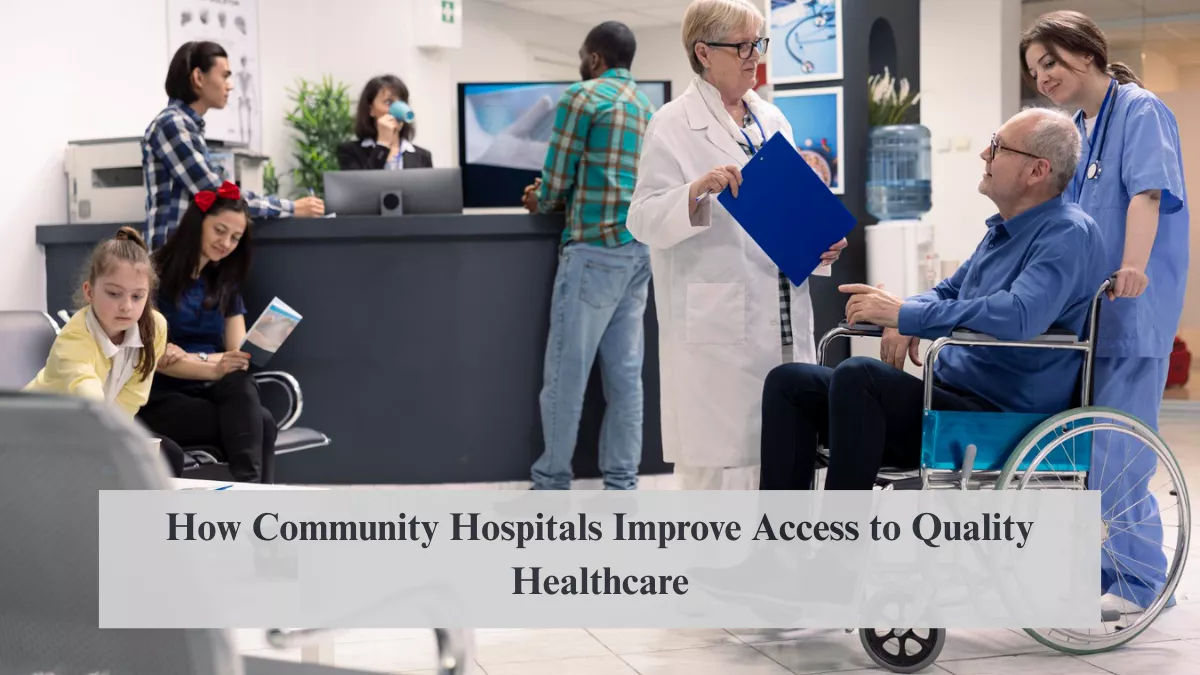
Community hospitals play a vital role in strengthening healthcare systems by bringing high-quality medical services closer to where people live. In many regions, especially rural and suburban areas, these hospitals serve as the first and most trusted point of care for individuals and families. By combining accessibility, affordability, and personalized attention, community hospitals reduce barriers that often prevent patients from seeking timely treatment. They offer essential services such as preventive care, emergency treatment, diagnostics, and chronic disease management while maintaining strong connections with local residents.
Because they understand regional health trends and patient needs, community hospitals can tailor services more effectively than distant medical centers. Their presence helps reduce travel burdens, wait times, and healthcare disparities. As healthcare systems evolve, community hospitals continue to prove that proximity and trust are critical components of quality care. Understanding how community hospitals improve access highlights their lasting importance in promoting healthier, more resilient communities.


Bringing Healthcare Closer to Patients
One of the most significant ways community hospitals improve access to quality healthcare is by reducing geographic barriers for patients. Many individuals face challenges traveling long distances to receive medical attention, particularly older adults, low-income families, and those with mobility limitations. Community hospitals are strategically located within neighborhoods or small regions, making care easier to reach. This proximity encourages routine checkups, early diagnosis, and consistent follow-up visits that might otherwise be delayed. When healthcare is nearby, patients are more likely to seek help before conditions worsen.
Community hospitals also help reduce congestion at large urban medical centers, allowing healthcare systems to function more efficiently. By offering essential services locally, they create a reliable healthcare safety net. This local availability ensures that access to care is not determined by distance, supporting equitable treatment opportunities and healthier outcomes for residents across diverse communities.

Personalized and Patient-Centered Care
Community hospitals are known for delivering personalized, patient-centered care that enhances both access and quality. Smaller patient volumes allow healthcare providers to spend more time with individuals, listening carefully to concerns and understanding medical histories. This personalized attention builds trust and encourages open communication between patients and providers. When patients feel comfortable and respected, they are more likely to follow treatment plans and attend follow-up appointments.
Community hospitals often employ caregivers who live locally, creating familiar and reassuring interactions. This continuity of care improves accuracy in diagnosis and long-term health management. Patient-centered approaches also emphasize education, helping individuals understand conditions and preventive strategies. By focusing on relationships rather than volume, community hospitals make healthcare more approachable and effective. This supportive environment removes emotional barriers to care, ensuring patients feel confident seeking medical help when needed.

Affordable Care and Reduced Financial Barriers
Affordability is a critical factor in healthcare access, and community hospitals help reduce financial barriers for many patients. These hospitals often operate with lower overhead costs compared to large medical centers, allowing them to offer more cost-effective services. Many community hospitals participate in assistance programs, sliding-scale fees, and local insurance networks that support underinsured or uninsured patients. By minimizing travel expenses and time away from work, they further reduce indirect healthcare costs.
Transparent billing practices and local financial counseling also help patients understand and manage expenses more effectively. Affordable access encourages individuals to seek preventive care rather than delaying treatment due to cost concerns. Early intervention not only improves health outcomes but also lowers long-term healthcare expenses. Through affordability and financial support, community hospitals play a key role in ensuring that quality healthcare remains accessible to people from all economic backgrounds.

Strengthening Preventive and Primary Care
Community hospitals are essential in strengthening preventive and primary care services, which are foundational to accessible healthcare. Regular screenings, immunizations, wellness visits, and health education programs are often more readily available through local hospitals. These services help identify potential health issues early, reducing the need for complex and costly treatments later.
Primary care providers in community hospitals build long-term relationships with patients, enabling consistent monitoring of chronic conditions such as diabetes or hypertension. Preventive care also supports healthier lifestyles by promoting nutrition, physical activity, and mental well-being. When primary care is accessible and trusted, communities experience lower hospitalization rates and improved overall health. Community hospitals serve as hubs for prevention, ensuring care is proactive rather than reactive. This focus on early intervention significantly improves access by keeping healthcare approachable, routine, and integrated into everyday life.

Emergency Services When Time Matters Most
Access to emergency care is critical, and community hospitals play a lifesaving role by providing rapid response services close to home. In emergencies such as heart attacks, strokes, injuries, or severe illnesses, minutes can make a difference. Community hospitals reduce response times by eliminating long travel distances to care facilities. Emergency departments staffed with trained professionals and equipped with essential technology ensure immediate evaluation and stabilization.
Local emergency care also eases the burden on larger trauma centers, allowing patients to receive timely attention. For families, knowing emergency services are nearby provides reassurance and peace of mind. Community hospitals often coordinate with regional healthcare systems to transfer patients when advanced care is required, ensuring continuity. By offering accessible emergency services, community hospitals strengthen healthcare safety nets and ensure critical care is available when it matters most.
Supporting Rural and Underserved Areas
Community hospitals are especially important in rural and underserved regions where healthcare options are limited. These hospitals often serve as the only medical facility within a wide geographic area, making them indispensable. They address disparities by providing essential services that might otherwise be unavailable locally. Rural populations frequently face higher rates of chronic illness, limited transportation, and fewer healthcare providers. Community hospitals help bridge these gaps by offering comprehensive care and outreach programs tailored to local needs.
Telehealth services, mobile clinics, and partnerships with regional specialists further enhance access. By maintaining a strong local presence, community hospitals support economic stability and public health in underserved areas. Their role extends beyond treatment to community development and resilience. Without community hospitals, many vulnerable populations would face significant barriers to receiving timely and quality healthcare.
Building Trust Through Community Connections
Trust is a powerful factor in healthcare access, and community hospitals excel at building strong relationships with local residents. Because they are deeply rooted in the community, these hospitals understand cultural values, language preferences, and social challenges that influence health behaviors.
Community engagement initiatives such as health fairs, education programs, and partnerships with schools or organizations strengthen these connections. Familiarity with providers reduces fear and hesitation, encouraging individuals to seek care earlier. Trust also improves communication, leading to better adherence to treatment plans and preventive recommendations. When communities view hospitals as partners rather than distant institutions, healthcare becomes more approachable. This trust-driven access is particularly important for populations historically hesitant to seek medical care. By fostering meaningful relationships, community hospitals create an environment where quality healthcare feels accessible, welcoming, and supportive for everyone.
Coordinated Care and Continuity
Community hospitals enhance healthcare access by providing coordinated and continuous care across services. Patients often receive primary care, diagnostic testing, specialty consultations, and rehabilitation within the same system. This integration reduces delays, duplication of tests, and confusion about treatment plans. Coordinated care ensures that providers share information efficiently, leading to more accurate diagnoses and better outcomes.
Continuity is especially important for managing chronic conditions that require regular monitoring and adjustments. Patients benefit from seeing familiar providers who understand their medical history and personal circumstances. This consistency improves confidence and reduces the likelihood of patients dropping out of care. Community hospitals also coordinate with regional medical centers when advanced treatment is necessary, ensuring smooth transitions. By simplifying the healthcare journey, community hospitals make quality care easier to access and maintain over time.
Advancing Care Through Local Innovation
Many community hospitals are adopting innovative solutions to improve access without compromising quality. Telemedicine services allow patients to consult providers remotely, reducing travel barriers and wait times. Digital health records improve information sharing and care coordination. Community hospitals also invest in modern diagnostic tools and treatment technologies appropriate to local needs. Innovation extends to care models, including integrated behavioral health, outpatient services, and home-based care programs.
These advancements help meet patients where they are, both physically and socially. Local innovation is often more adaptable, allowing hospitals to respond quickly to community health challenges. By embracing technology and flexible care delivery, community hospitals expand access while maintaining personalized service. This balance of innovation and familiarity ensures that quality healthcare continues to evolve in ways that directly benefit local populations.
Economic and Social Benefits for Communities
Beyond direct medical services, community hospitals improve healthcare access by strengthening local economies and social structures. They provide employment opportunities for healthcare professionals and support staff, attracting skilled workers to the area. A strong local hospital also encourages businesses and families to settle in the community, knowing healthcare is accessible. Economic stability contributes to better health outcomes by reducing stress and improving living conditions.
Community hospitals often collaborate with local governments and organizations to address social determinants of health such as housing, nutrition, and education. By addressing these broader factors, they indirectly improve access to care. Healthy communities are more resilient, and community hospitals play a central role in that resilience. Their impact extends far beyond hospital walls, influencing overall quality of life and long-term community well-being.
Improving Health Outcomes Through Early Intervention
Early intervention is key to quality healthcare, and community hospitals excel at identifying health issues before they become severe. Accessible primary and preventive services encourage patients to seek care at the first sign of concern. Early diagnosis leads to simpler treatments, faster recovery, and lower costs. Community hospitals often track local health trends, allowing them to target screenings and education efforts effectively. Chronic diseases are managed more successfully when detected early and monitored consistently.
This proactive approach reduces emergency visits and hospitalizations. Patients benefit from better outcomes and improved quality of life. Early intervention also supports mental health by addressing concerns before they escalate. By promoting timely care, community hospitals demonstrate how accessibility directly contributes to better health results and more efficient healthcare systems overall.
Last Thought
Community hospitals are essential to improving access to quality healthcare by combining proximity, affordability, and personalized care. Their deep community connections, preventive focus, and coordinated services remove barriers that often limit timely treatment.
By supporting early intervention, emergency readiness, and local innovation, community hospitals strengthen both individual health and community resilience. As healthcare challenges continue to evolve, these hospitals remain a vital foundation for accessible, trustworthy, and high-quality care that truly meets people where they are.
FAQs
What is a community hospital?
A community hospital is a local healthcare facility providing accessible medical services to nearby residents.
How do community hospitals improve access to care?
They reduce travel distances, lower costs, and offer personalized services within the community.
Do community hospitals provide emergency care?
Yes, most community hospitals offer emergency services for urgent medical needs.
Are community hospitals suitable for preventive care?
Yes, they focus strongly on preventive services like screenings, checkups, and health education.