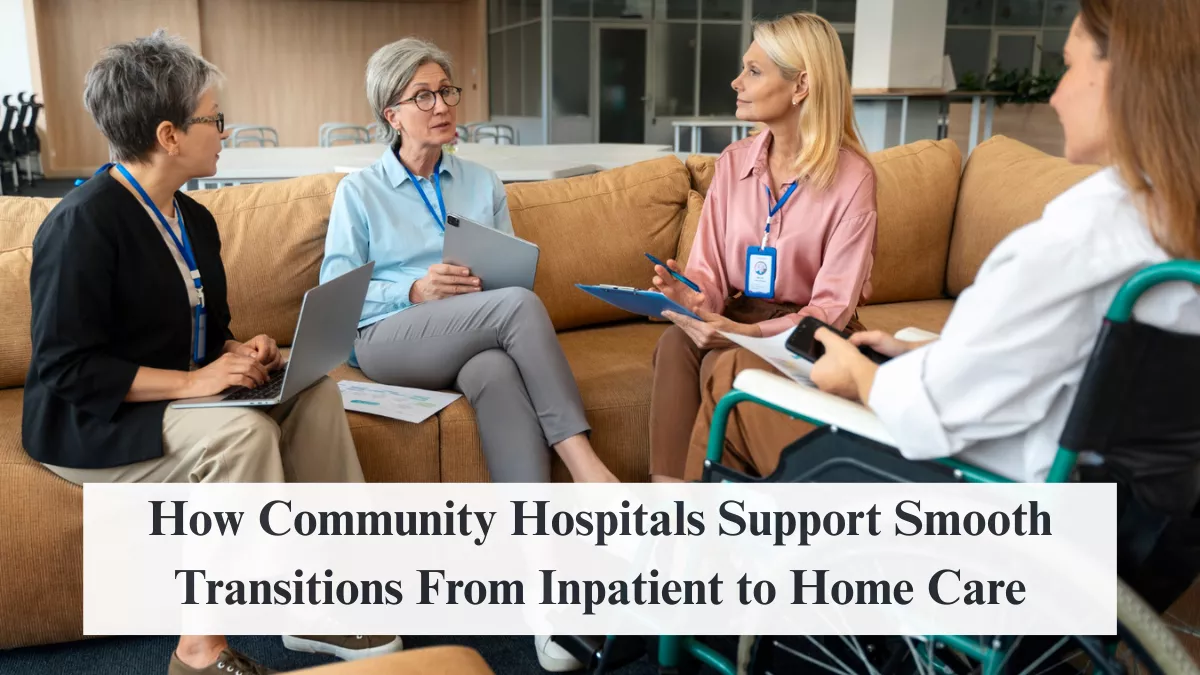
Smooth transitions from inpatient care to home care are essential for maintaining patient safety, treatment continuity, and long-term recovery. Community hospitals play a pivotal role in managing this process by coordinating medical services, patient education, and follow-up care. Patients leaving the hospital often face new responsibilities, such as medication management, wound care, mobility limitations, and lifestyle adjustments. Without proper support, these challenges can lead to confusion, complications, or readmission.
Community hospitals focus on structured discharge planning to ensure patients and caregivers are well-prepared. Addressing physical, emotional, and logistical needs before discharge helps patients regain independence safely. Transition from hospital to home is a coordinated effort involving healthcare professionals, patients, families, and community resources. Effective transition support not only improves recovery outcomes but also reduces strain on healthcare systems and promotes long-term well-being for patients.
 How Community Hospitals Are Using AI to Improve Diagnostic Accuracy
The Role of Discharge Planning
Discharge planning is the foundation of a successful transition from inpatient to home care. Community hospitals begin planning shortly after admission, recognizing that early preparation leads to better outcomes. Healthcare teams assess patient needs, functional abilities, and home environments to identify potential challenges. These assessments determine whether patients require home health services, medical equipment, or caregiver assistance.
Clear discharge plans outline medications, follow-up appointments, dietary instructions, and warning signs to monitor. Patients and families are included in planning discussions to ensure understanding and readiness. Individualized discharge plans reduce uncertainty, minimize gaps in care, and promote a smoother adjustment to home life. Comprehensive planning ensures continuity, supports patient independence, and empowers families to take active roles in care after discharge.
 The Role of Local Medical Centers in Promoting Heart Health Awareness
Multidisciplinary Care Coordination
Care coordination among multidisciplinary teams is crucial during hospital-to-home transitions. Physicians, nurses, case managers, pharmacists, and social workers collaborate to address patient needs holistically. Nurses provide education on symptom management and care techniques, while pharmacists review medications for safety and adherence. Social workers assist with community resources, insurance navigation, and social challenges that could affect recovery.
Each team member communicates and aligns care plans to prevent duplication or gaps in service. Coordinated care fosters confidence among patients and caregivers, ensuring everyone understands responsibilities and expectations. This team-based approach ensures that the transition from hospital to home is safe, comprehensive, and personalized to each patient’s circumstances.
 How Mobile Clinics Are Expanding Healthcare Access in Underserved Areas
Patient Education and Preparation
Patient education is essential to preparing individuals for home care. Community hospitals emphasize clear, accessible education tailored to literacy levels and cultural backgrounds. Education covers medication schedules, dietary guidelines, physical activity restrictions, wound care, and follow-up care instructions. Demonstrations and written materials reinforce learning.
Patients practice essential skills, such as administering injections or monitoring blood pressure, before leaving the hospital. Education empowers patients to manage their health independently and recognize early warning signs of complications. Well-informed patients are more likely to adhere to care plans, reducing preventable readmissions. By dedicating time to education, hospitals enhance patient safety, confidence, and long-term recovery.
 Why Hospital-Based Exercise Programs Improve Patient Recovery Rates
Medication Management
Medication management is a critical aspect of the hospital-to-home transition. Many patients leave the hospital with new prescriptions or adjusted dosages. Community hospitals conduct medication reconciliation to ensure accuracy and prevent harmful interactions. Pharmacists explain medication purposes, schedules, and potential side effects in clear, understandable terms.
Patients receive instructions for adherence and guidance on handling missed doses. Hospitals address barriers to access, including affordability and pharmacy availability. Effective medication management reduces the risk of errors, adverse events, and complications. Patients who feel confident with their medications are more likely to follow treatment plans and maintain stability at home, which is essential for successful recovery.
 How Community Hospitals Are Supporting Nutrition and Lifestyle Education
Follow-Up Care and Continuity
Follow-up care coordination ensures continuity after discharge. Community hospitals schedule appointments with primary care providers or specialists before patients leave. Proactive planning reduces delays in ongoing care. Clear communication between inpatient teams and outpatient providers supports seamless information transfer. Follow-up calls or telehealth check-ins allow monitoring of recovery progress and early intervention if issues arise.
Continuity of care builds patient confidence and reduces the likelihood of hospital readmission. By bridging inpatient and outpatient services, community hospitals maintain consistent support, ensuring patients receive the care they need during the critical post-discharge period.
Home Health Services
Home health services often play a vital role in post-discharge care. Community hospitals assess whether patients require nursing visits, physical therapy, occupational therapy, or other services at home. These services provide professional support while allowing patients to recover in familiar surroundings. Home health professionals monitor progress, reinforce education, and address concerns promptly.
Coordination between hospitals and home care agencies ensures that services align with discharge plans. Home-based care promotes independence, comfort, and safety. Community hospitals facilitate access to these services, ensuring patients receive proper guidance and oversight during the recovery process.
Family and Caregiver Involvement
Family and caregiver involvement is essential for successful transitions. Community hospitals recognize caregivers as integral partners in care. Training and education extend to family members who assist with mobility, medication management, and daily tasks.
Open communication allows caregivers to ask questions and seek guidance, reducing stress and promoting confidence. Supporting caregivers improves patient outcomes and strengthens the home care environment. Hospitals that actively involve families ensure patients have reliable support, making transitions smoother and recovery more sustainable.
Addressing Social Determinants of Health
Social determinants, such as housing stability, transportation, food security, and financial resources, influence patient recovery. Community hospitals screen for these factors and connect patients with local resources. Social workers and case managers help navigate insurance coverage, community programs, and financial assistance.
Addressing social determinants reduces barriers to care adherence and supports successful home recovery. Comprehensive transition planning acknowledges that recovery extends beyond medical treatment to include emotional and practical considerations, ensuring patients receive holistic support.
Technology and Telehealth Support
Technology has become a critical tool in supporting home care transitions. Community hospitals use electronic health records to share patient information with outpatient providers. Telehealth allows virtual consultations and follow-up appointments, reducing travel burdens.
Remote monitoring devices track vital signs, medication adherence, and symptoms. Digital tools enhance communication, early intervention, and patient engagement. By integrating technology, hospitals provide continuous oversight, promote safety, and support independence for patients recovering at home.
Reducing Hospital Readmissions
Reducing hospital readmissions is a key goal of transition programs. Community hospitals identify high-risk patients and implement targeted interventions, including home visits, telemonitoring, and follow-up calls. Education emphasizes recognizing early signs of complications and when to seek help.
Proactive monitoring allows timely interventions before conditions worsen. Preventing readmissions benefits patients, caregivers, and healthcare systems by improving outcomes and reducing costs. Effective transition support ensures patients remain stable and healthy in their home environment.
Mental and Emotional Support
Transitioning from hospital to home can be stressful and overwhelming. Community hospitals provide mental and emotional support to address anxiety, fear, and stress associated with recovery. Counseling, patient education, and reassurance help patients feel prepared and supported.
Emotional well-being contributes to physical healing, adherence to care plans, and overall recovery. Hospitals that address both physical and emotional needs create a holistic care experience that fosters confidence and resilience in patients and caregivers.
Cultural Sensitivity in Transitions
Cultural sensitivity enhances the effectiveness of transition planning. Hospitals tailor education, communication, and care instructions to align with patient cultural backgrounds and language preferences. Respecting cultural values and traditions builds trust and improves engagement. Inclusive practices ensure that all patients receive equitable support, enhancing recovery outcomes.
Culturally sensitive care acknowledges that patients’ beliefs, preferences, and social norms influence health behaviors and adherence to care plans. Incorporating cultural awareness strengthens home care transitions and patient satisfaction.
Clear Documentation and Communication
Clear documentation is vital for safe transitions. Community hospitals provide written discharge summaries, care instructions, and medication lists to patients, caregivers, and outpatient providers. Documentation ensures consistency across providers and reduces errors or confusion.
Patients and families can refer to these materials as needed. Effective communication reinforces education, clarifies expectations, and supports accountability. Thorough records promote continuity of care and safe recovery at home.
Continuous Quality Improvement
Community hospitals engage in quality improvement initiatives to refine transition processes. Hospitals analyze patient outcomes, readmission rates, and feedback to identify areas for improvement. Targeted interventions are implemented to address gaps and enhance services.
Continuous evaluation ensures that best practices evolve and adapt to patient needs. Quality improvement demonstrates a hospital’s commitment to safe, patient-centered care. Ongoing refinement strengthens transition programs, resulting in better outcomes and higher patient satisfaction.
Community Partnerships for Post-Discharge Support
Partnerships with local organizations and community agencies enhance post-discharge support. Community hospitals collaborate with home care agencies, social services, and support groups to extend care beyond the hospital. These partnerships provide patients with access to essential resources, such as transportation, nutritional support, and social programs.
By connecting patients with community resources, hospitals promote long-term wellness and reduce barriers to successful home recovery. Strong community ties strengthen the continuity of care and support sustainable patient outcomes.
Empowering Patients Through Self-Management
Patient empowerment and self-management are key to long-term recovery. Community hospitals educate patients on lifestyle modifications, symptom monitoring, and preventive strategies.
Patients learn to take active roles in their own health maintenance. Skill-building in self-management reduces dependence on acute care services and promotes sustained recovery. Empowered patients are better equipped to recognize complications early and seek help when needed. Education and support foster confidence, independence, and improved quality of life.
Future Directions in Home Care Transitions
Healthcare continues to evolve, and transition support programs adapt accordingly. Community hospitals are integrating telemedicine, remote monitoring, and predictive analytics to enhance post-discharge care. Innovations aim to reduce hospital readmissions, improve patient satisfaction, and provide personalized care at home.
Emphasizing patient-centered, culturally sensitive, and technology-supported approaches ensures continuity and quality of care. Hospitals remain central to coordinating care in an increasingly complex healthcare environment.
Conclusion
Community hospitals play an essential role in ensuring smooth transitions from inpatient to home care. Through discharge planning, education, care coordination, and collaboration with community resources, hospitals prepare patients and families for safe, independent recovery.
Attention to medication management, follow-up care, social determinants, mental health, and cultural sensitivity enhances outcomes. Continuous quality improvement and technology integration strengthen these efforts. Effective transitions reduce readmissions, empower patients, and support long-term wellness. By prioritizing patient-centered strategies, community hospitals bridge the gap between inpatient treatment and home-based recovery, reflecting a holistic commitment to health and well-being.
Frequently Asked Questions (FAQs)
What is a hospital-to-home transition?
It is the process of preparing patients to continue their recovery safely at home after inpatient care.
Why is discharge planning important?
Discharge planning ensures patients understand medications, follow-up care, and home responsibilities before leaving the hospital.
Who helps coordinate care after discharge?
Multidisciplinary teams including doctors, nurses, pharmacists, social workers, and case managers coordinate home care.
How do hospitals prevent readmissions during transitions?
They provide education, follow-up calls, home health services, and clear communication with patients and outpatient providers.