
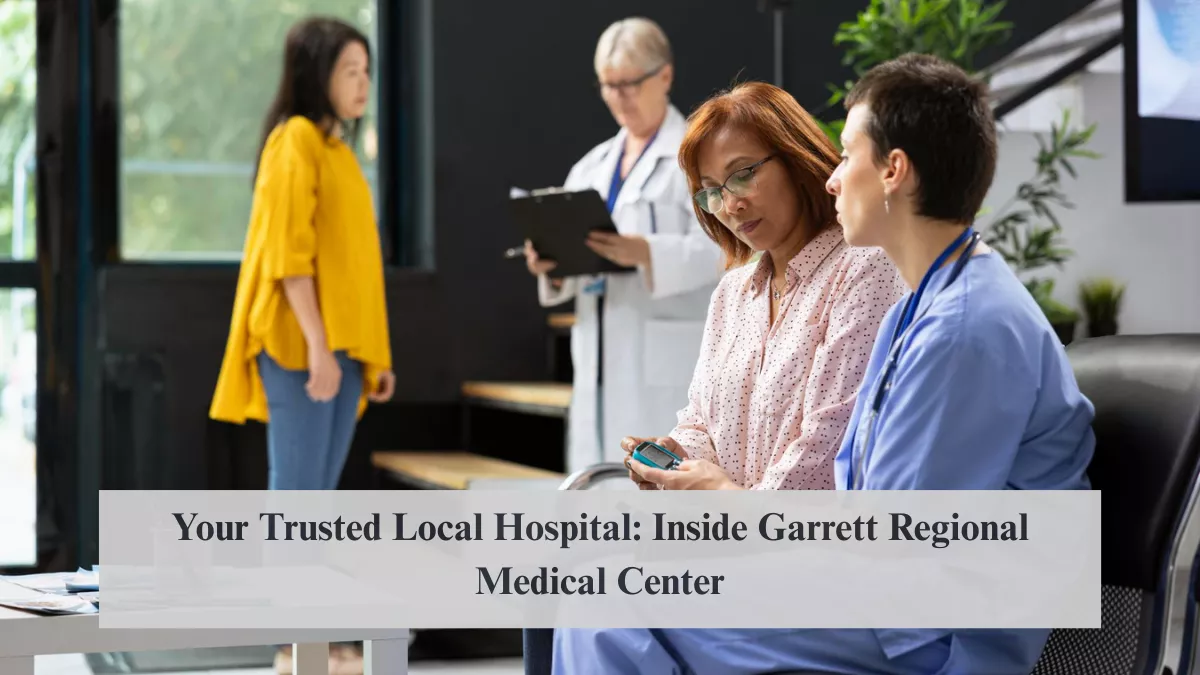
Community medical centers play a crucial role in reducing healthcare travel stress for patients by bringing essential medical services closer to home. Long-distance travel for healthcare often creates physical, emotional, and financial strain, especially for seniors, families, and individuals with chronic conditions. When care is locally available, patients experience greater comfort, confidence, and consistency in managing their health.
Community medical centers are designed to meet everyday healthcare needs within familiar surroundings, minimizing disruptions to daily life. They eliminate the need for exhausting trips to distant hospitals and help patients maintain regular appointments without logistical challenges. Reduced travel time also means quicker access to care, better follow-up, and stronger relationships with healthcare providers. By integrating medical services into the community, these centers ease stress, promote preventive care, and improve overall patient satisfaction. Understanding how community medical centers reduce healthcare travel stress highlights their importance in creating more accessible, compassionate, and patient-focused healthcare systems.


Bringing Healthcare Closer to Home
Community medical centers significantly reduce healthcare travel stress by providing services within close proximity to where patients live. Shorter travel distances lessen physical fatigue, especially for elderly patients or those with mobility challenges. Local access eliminates the need for long commutes, overnight stays, or complicated transportation arrangements. Patients can attend appointments more comfortably and consistently. Reduced travel time also lowers transportation costs, easing financial pressure.
Familiar surroundings help patients feel more relaxed and confident during visits. Community-based care supports routine checkups and timely treatment. When healthcare is nearby, patients are less likely to delay care. This proximity fosters healthier habits and ongoing engagement. By bringing healthcare closer to home, community medical centers create supportive environments that reduce stress and improve patient experiences while strengthening overall health outcomes.

Improving Appointment Accessibility and Scheduling
Easier appointment scheduling is another way community medical centers reduce travel-related stress for patients. Local facilities often offer flexible scheduling tailored to community needs. Patients can choose appointment times that fit work and family responsibilities. Reduced travel allows for shorter appointment windows without dedicating entire days. Missed appointments decrease when travel barriers are removed.
Community centers streamline registration and check-in processes. Familiarity with staff improves efficiency and communication. Patients feel more in control of their healthcare routines. Consistent access encourages preventive visits and follow-ups. Over time, improved scheduling accessibility leads to better adherence to care plans. By simplifying appointment logistics, community medical centers remove common stressors and help patients maintain consistent, stress-free healthcare engagement.

Supporting Seniors and Mobility-Limited Patients
Seniors and individuals with limited mobility face unique challenges when traveling long distances for healthcare. Community medical centers help reduce this stress by offering nearby services tailored to accessibility needs. Shorter travel minimizes physical strain and discomfort. Local centers often provide accessible entrances and patient-friendly layouts. Caregivers benefit from reduced transportation demands.
Seniors feel more confident visiting familiar locations. Regular monitoring becomes easier without exhausting travel. Mobility-limited patients experience fewer barriers to care. Reduced travel stress improves treatment adherence and well-being. Community centers understand local aging populations and adapt services accordingly. By supporting seniors and mobility-limited individuals, community medical centers play a vital role in maintaining dignity, comfort, and continuity of care within the community.

Reducing Financial Burdens of Travel
Healthcare travel often comes with hidden costs, including fuel, parking, lodging, and lost wages. Community medical centers help reduce these financial burdens by offering local care options. Patients save money by avoiding long-distance trips. Reduced travel expenses make healthcare more affordable. Families experience less financial stress when care is nearby. Local access supports frequent visits without added cost concerns.
Community centers also help patients navigate insurance and payment options. Financial relief encourages proactive healthcare decisions. Patients are less likely to postpone care due to cost worries. Over time, reduced travel expenses contribute to improved health equity. By minimizing financial strain associated with travel, community medical centers make healthcare more accessible and less stressful for diverse populations.

Enhancing Continuity of Care
Continuity of care is strengthened when patients receive services locally, reducing travel-related disruptions. Community medical centers allow patients to see the same providers regularly. Familiar providers understand patient histories and preferences. Reduced travel encourages consistent follow-ups and monitoring. Communication improves within stable care relationships. Patients feel comfortable discussing concerns openly.
Continuity supports early detection of health changes. Local centers coordinate care efficiently with nearby specialists. Ongoing relationships build trust and confidence. Over time, consistent care improves outcomes and satisfaction. By reducing the need to travel for fragmented services, community medical centers promote seamless healthcare experiences that lower stress and support long-term wellness.
Supporting Families and Caregivers
Healthcare travel affects not only patients but also families and caregivers. Community medical centers reduce stress by minimizing disruptions to family routines. Caregivers save time and energy with nearby appointments. Parents can manage children’s care more easily. Reduced travel allows caregivers to balance responsibilities. Local centers foster family involvement in care decisions.
Familiar environments reduce anxiety for patients and families. Community-based care strengthens support networks. Caregivers experience less burnout without frequent long trips. Families feel more connected to care providers. By supporting caregivers and families, community medical centers create holistic healthcare experiences that reduce stress and promote shared well-being.
Improving Emergency Access Locally
Local emergency services play a critical role in reducing travel stress during urgent situations. Community medical centers provide immediate access to emergency care close to home. Faster response times reduce anxiety and risk. Patients avoid long, stressful emergency transport. Familiar settings offer reassurance during crises. Local emergency teams understand community needs. Quick stabilization prevents complications.
Families can reach patients more easily. Emergency access supports community safety and confidence. Over time, reliable local emergency care reduces fear associated with medical emergencies. By offering nearby emergency services, community medical centers protect patients from the stress and uncertainty of distant emergency travel.
Encouraging Preventive Care Participation
Travel barriers often discourage preventive care participation. Community medical centers remove these barriers by making services easily accessible. Patients are more likely to attend screenings and wellness visits locally. Reduced travel stress supports routine health maintenance.
Preventive care becomes part of daily life. Local centers promote education and outreach. Early detection improves outcomes and reduces intensive treatment needs. Patients feel empowered to prioritize health. Preventive services reduce long-term healthcare costs. Over time, communities benefit from healthier populations. By encouraging preventive care through convenient access, community medical centers reduce stress and foster proactive health behaviors.
Leveraging Telehealth and Local Support
Community medical centers combine local care with telehealth to further reduce travel stress. Telehealth allows remote consultations when in-person visits are unnecessary. Patients save time and effort. Local centers provide technical support for virtual care. Telehealth improves access for follow-ups and specialist input. Reduced travel benefits patients with chronic conditions.
Community centers ensure continuity between virtual and in-person care. Technology enhances convenience without sacrificing quality. Patients feel supported locally while accessing broader expertise. By integrating telehealth, community medical centers create flexible healthcare options that minimize travel stress and improve accessibility.
Strengthening Community Trust and Comfort
Trust and comfort are essential in reducing healthcare stress, and community medical centers foster both through local presence. Familiar locations reduce anxiety. Patients recognize staff and providers. Trust encourages regular engagement. Community ties strengthen patient-provider relationships.
Comfort improves communication and adherence. Local centers reflect community values and culture. Patients feel respected and understood. Reduced stress enhances healing experiences. Over time, trust builds healthier communities. By maintaining strong local connections, community medical centers create welcoming healthcare environments that ease travel stress and support positive patient experiences.
Promoting Long-Term Health Stability
Reducing healthcare travel stress contributes to long-term health stability. Community medical centers enable consistent care access. Patients manage conditions more effectively. Reduced stress improves mental and physical health. Local care supports healthier routines.
Communities experience fewer health disparities. Stability enhances quality of life. Long-term engagement leads to better outcomes. Community centers anchor healthcare systems locally. By minimizing travel stress, community medical centers help individuals and families maintain balanced, sustainable healthcare relationships that support lifelong wellness.
Last Thought
Community medical centers reduce healthcare travel stress by providing accessible, trusted, and comprehensive care close to home. Their presence supports comfort, continuity, and healthier communities by removing barriers that often prevent patients from seeking timely medical attention.
FAQs
How do community medical centers reduce travel stress?
They provide local access to essential healthcare services.
Who benefits most from reduced healthcare travel?
Seniors, families, and mobility-limited patients benefit greatly.
Does local care improve appointment consistency?
Yes, patients are more likely to attend nearby appointments.
Can community centers handle emergencies locally?
Many offer emergency services for immediate local care.