
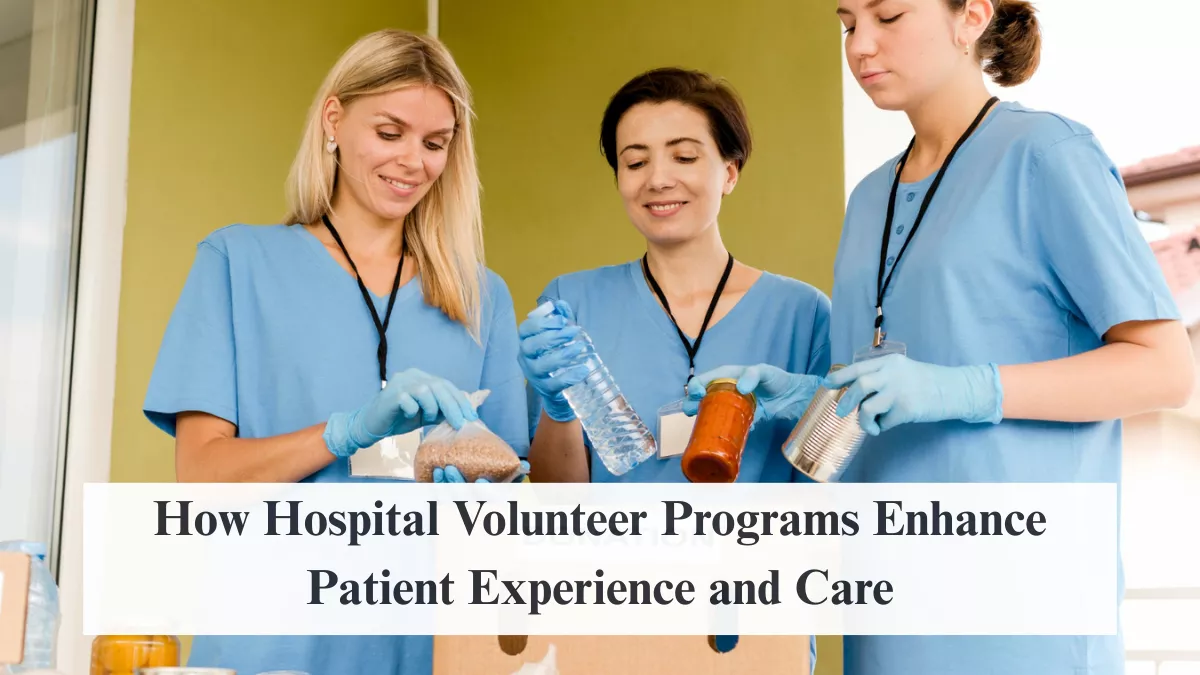
Hospital volunteer programs have long been an essential component of healthcare systems, providing support, compassion, and additional services that improve the patient experience.
Volunteers contribute to the overall well-being of patients, assist medical staff, and help create a welcoming environment within healthcare facilities. While clinical teams focus on diagnosis, treatment, and medical interventions, volunteers offer complementary support that addresses emotional, social, and practical needs. Their presence enhances the quality of care, fosters patient satisfaction, and strengthens community engagement within hospitals.


The Purpose and Scope of Hospital Volunteer Programs
Hospital volunteer programs are designed to provide non-clinical support to patients, visitors, and healthcare staff. Volunteers may engage in a wide variety of activities, including guiding patients through hospital facilities, providing companionship, assisting with administrative tasks, delivering meals, supporting rehabilitation programs, and participating in community outreach.
The primary goal of these programs is to improve the patient experience by offering personal attention, emotional support, and assistance with logistical challenges. Volunteers act as a bridge between clinical staff and patients, ensuring that individuals feel cared for, informed, and supported throughout their hospital journey.
Enhancing Patient Comfort and Emotional Well-Being
Emotional well-being is a critical aspect of overall health and recovery. Hospital volunteer programs contribute significantly to patient comfort by offering companionship, conversation, and support during hospital stays. Patients often experience anxiety, fear, or loneliness, particularly during long-term admissions or complex treatments.
Volunteers provide a reassuring presence, listen to concerns, and offer empathy, which can reduce stress and improve mental health. Emotional support from volunteers complements medical care and helps patients maintain a positive outlook, which is closely linked to better clinical outcomes.

Supporting Families and Caregivers
Hospitalization not only affects patients but also places a significant burden on families and caregivers. Volunteers assist family members by providing information, guiding them through hospital processes, and offering respite during stressful periods. This support reduces caregiver stress and allows families to focus on patient well-being.
By addressing the needs of both patients and their families, volunteer programs foster a holistic approach to care that strengthens relationships, improves communication, and enhances the overall hospital experience.
Assisting Clinical Staff
Clinical staff in hospitals face high demands and time pressures that can limit their ability to provide individualized attention to patients. Volunteers help alleviate this burden by performing non-clinical tasks, such as delivering supplies, escorting patients, managing waiting areas, and supporting administrative duties.
By assisting with routine or time-consuming tasks, volunteers free medical staff to focus on patient care, complex procedures, and critical decision-making. This collaborative approach enhances workflow efficiency, reduces stress for healthcare professionals, and indirectly improves the quality of care delivered to patients.

Guidance and Navigation Services
Hospitals can be complex environments, and patients may struggle to navigate facilities, locate departments, or understand hospital processes. Volunteers often serve as guides, assisting patients and visitors with directions, information about services, and procedural guidance.
This support reduces confusion, enhances accessibility, and improves the overall patient experience. Navigational assistance is particularly valuable for first-time patients, elderly individuals, and those with disabilities, ensuring that patients receive timely care without unnecessary delays or stress.
Patient Education and Health Promotion
Some hospital volunteer programs incorporate patient education and health promotion activities. Volunteers may provide information on preventive care, healthy lifestyle choices, medication adherence, and chronic disease management. They may also assist with workshops, informational sessions, and distribution of educational materials.
By promoting awareness and encouraging patient engagement, volunteers contribute to better health literacy and empower patients to take an active role in their care. This proactive approach fosters long-term health improvements and enhances patient satisfaction with hospital services.
Rehabilitation and Therapeutic Support
Volunteers often play an important role in rehabilitation and therapeutic programs. In physical therapy, occupational therapy, or speech therapy settings, volunteers provide encouragement, assist with exercises, and monitor patient participation under the supervision of professional therapists.
They may also organize recreational and social activities that promote mobility, coordination, and social interaction. Such involvement enhances the effectiveness of rehabilitation programs and contributes to patients’ overall recovery and quality of life.
Psychosocial and Spiritual Support
Hospitals recognize the importance of addressing patients’ psychosocial and spiritual needs in addition to physical health. Volunteer chaplains, counselors, or trained support volunteers offer spiritual guidance, meditation sessions, and emotional counseling.
These services help patients cope with illness, pain, and uncertainty, fostering resilience and improving psychological well-being. Integrating psychosocial support into hospital care reinforces patient-centered practices and ensures a holistic approach to health and healing.
Improving Patient Satisfaction and Hospital Reputation
The presence of volunteers directly influences patient satisfaction levels. Patients who interact with compassionate volunteers report higher levels of comfort, confidence, and overall satisfaction with hospital services. Positive experiences contribute to improved patient trust, loyalty, and engagement.
Hospitals that implement well-organized volunteer programs often enjoy a stronger reputation within the community, attracting patients who value holistic, patient-centered care. Volunteer involvement demonstrates the hospital’s commitment to service excellence, community engagement, and compassionate care.
Community Engagement and Partnerships
Hospital volunteer programs strengthen ties between healthcare facilities and the surrounding community. Volunteers are often recruited from local neighborhoods, schools, universities, and civic organizations, creating a connection between the hospital and its community.
Community engagement initiatives, such as health fairs, educational workshops, and wellness programs, are supported by volunteers who extend hospital services beyond clinical walls. By fostering collaboration between hospitals and communities, volunteer programs enhance public health awareness, promote preventive care, and cultivate a sense of shared responsibility for wellness.
Diversity and Inclusion in Volunteer Programs
Inclusive volunteer programs reflect the diversity of the communities hospitals serve. Recruiting volunteers from various cultural, linguistic, and socioeconomic backgrounds enhances communication, cultural sensitivity, and patient comfort.
Patients are more likely to feel understood and respected when volunteers share or understand their cultural context. Inclusive programs also provide opportunities for volunteers to gain cross-cultural experience, fostering empathy, and improving interpersonal skills. By prioritizing diversity, hospitals ensure equitable support for all patients and families.
Volunteer Training and Professional Development
Effective hospital volunteer programs require structured training and ongoing professional development. Volunteers receive instruction on patient safety, confidentiality, infection control, communication, and cultural sensitivity. Role-specific training prepares volunteers to support clinical and non-clinical activities safely and effectively.
Continuous development opportunities, such as workshops, mentorship programs, and certifications, enhance volunteer skills and ensure high-quality support. Well-trained volunteers contribute meaningfully to hospital operations and provide consistent, reliable support to patients and staff.
Specialized Volunteer Roles
Hospitals often create specialized volunteer roles to address specific patient needs. Examples include pediatric volunteers who engage children through games and educational activities, patient advocates who assist with healthcare navigation, or hospital greeters who provide directions and hospitality services.
Some programs include therapy animal volunteers who visit patients to provide comfort and emotional support. Specialized roles allow hospitals to target specific areas of patient care and enhance experiences across diverse patient populations.
Volunteer Programs in Pediatric and Geriatric Care
Pediatric and geriatric patients benefit significantly from volunteer programs. In pediatric settings, volunteers offer companionship, play therapy, and educational activities to reduce anxiety and promote well-being.
In geriatric care, volunteers assist with mobility, social interaction, and recreational programs, enhancing quality of life for elderly patients. Both populations benefit from personalized attention, companionship, and practical support, which contribute to a positive hospital experience and improve overall outcomes.
Impact on Patient Recovery and Health Outcomes
Research demonstrates that volunteer involvement positively impacts patient recovery and health outcomes. Emotional support, companionship, and assistance with daily tasks reduce stress, enhance mood, and encourage adherence to treatment plans.
Patients who receive volunteer support are more likely to engage actively in rehabilitation, follow dietary recommendations, and participate in wellness programs. The cumulative effect of volunteer contributions can lead to faster recovery, reduced complications, and improved overall health.
Supporting Hospital Staff Well-Being
Volunteers also indirectly support hospital staff by reducing workload stress and improving work environment morale. When volunteers assist with non-clinical tasks, staff can focus on critical medical care, reducing burnout and enhancing job satisfaction.
Positive interactions between volunteers and staff foster a collaborative, supportive culture within the hospital. This environment benefits both staff and patients, creating a harmonious setting conducive to safe, high-quality care.
Volunteer Programs During Crises and Emergencies
During emergencies, volunteer programs become even more critical. Volunteers assist with patient intake, communication, logistics, and community support. Their presence allows hospitals to manage surges in patient volume, provide information to families, and maintain essential non-clinical services.
Training volunteers in emergency preparedness enhances hospital resilience and ensures that patients receive comprehensive care even under challenging circumstances. Crisis-ready volunteer programs are a vital component of hospital disaster response strategies.
Recognition and Retention of Volunteers
Recognizing and retaining volunteers is essential for the sustainability of hospital programs. Hospitals implement recognition initiatives such as awards, certificates, appreciation events, and public acknowledgment. Positive reinforcement encourages continued commitment and attracts new volunteers.
Retention strategies include flexible schedules, meaningful assignments, mentorship, and opportunities for skill development. Consistent recognition and engagement enhance volunteer satisfaction, ensuring ongoing support for patients and hospital staff.
Innovations in Hospital Volunteer Programs
Innovative approaches enhance the effectiveness and reach of volunteer programs. Some hospitals utilize digital platforms for volunteer scheduling, training, and communication. Virtual volunteering initiatives allow volunteers to provide remote support, such as patient education, companionship via video calls, or administrative assistance.
Partnerships with educational institutions create structured internship and service-learning programs, integrating volunteer work with academic and professional development. Innovations ensure that volunteer programs remain adaptable, impactful, and aligned with evolving hospital needs.
Measuring Impact and Outcomes
Hospitals evaluate the impact of volunteer programs through patient satisfaction surveys, staff feedback, and outcome metrics. Tracking improvements in patient experience, reduced wait times, and enhanced emotional well-being demonstrates the value of volunteer contributions.
Continuous assessment allows hospitals to refine programs, expand successful initiatives, and address areas requiring improvement. Data-driven evaluation ensures that volunteer programs remain effective, sustainable, and aligned with institutional goals.
Building a Culture of Compassion and Care
Hospital volunteer programs reinforce a culture of compassion, empathy, and patient-centered care. Volunteers exemplify kindness, attentiveness, and dedication, setting the tone for patient interactions throughout the facility.
Their presence reminds staff and visitors of the human aspect of healthcare, emphasizing dignity, respect, and personal connection. By embedding compassion into hospital operations, volunteer programs enhance both patient and staff experiences and strengthen community trust in healthcare institutions.
Conclusion
Hospital volunteer programs are integral to enhancing patient experience and care. Volunteers provide emotional support, companionship, guidance, and practical assistance, complementing the efforts of clinical staff. Through specialized roles, community engagement, and structured training, volunteers contribute to improved patient satisfaction, faster recovery, and overall well-being.
They support families, relieve staff workload, and reinforce a culture of compassion within healthcare facilities. By integrating volunteers into hospital operations, institutions create more patient-centered, holistic, and resilient environments, ultimately benefiting patients, staff, and the community as a whole.
FAQ
Q1: How do hospital volunteers improve patient experiences?
They offer emotional support, companionship, guidance, and practical assistance, enhancing comfort and satisfaction.
Q2: Can volunteers assist clinical staff?
Yes, volunteers help with non-clinical tasks, allowing medical staff to focus on direct patient care.