
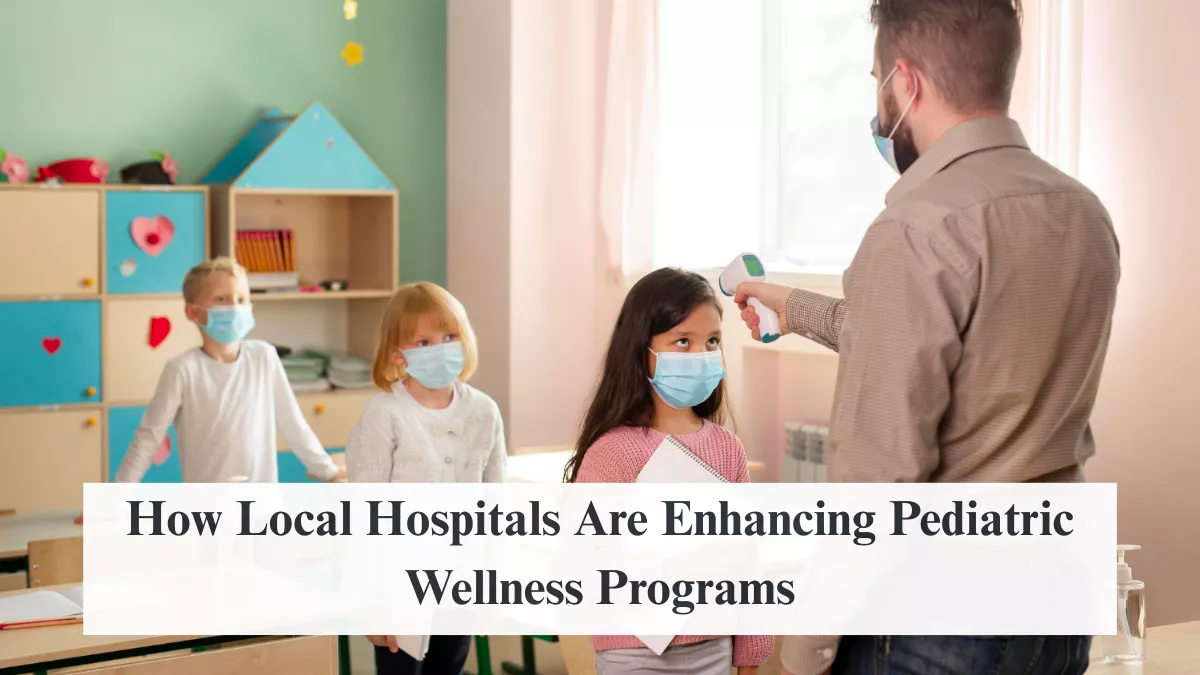
Pediatric wellness programs play a crucial role in ensuring that children grow, develop, and thrive in healthy environments. Local hospitals are increasingly investing in these programs to provide comprehensive healthcare services that extend beyond treatment of acute illnesses. Wellness initiatives focus on preventive care, education, and early intervention, addressing physical, emotional, and social aspects of child health.
By implementing structured programs, hospitals help families establish healthy habits early, reducing long-term health risks. Pediatric wellness programs are designed to support children from infancy through adolescence, promoting physical growth, cognitive development, emotional resilience, and social wellbeing. In addition to improving individual outcomes, these programs strengthen communities by fostering healthier generations and equipping families with the tools to maintain lifelong health. Local hospitals are expanding these programs by integrating multidisciplinary approaches, advanced technology, and evidence-based practices to meet the evolving needs of children and families.


Understanding Pediatric Wellness Programs
Pediatric wellness programs encompass a broad range of preventive healthcare services. These services include routine screenings, vaccinations, nutritional guidance, developmental assessments, and mental health support. Hospitals design programs to address the unique needs of different age groups, from newborns and infants to adolescents.
The goal of wellness programs is to identify potential health concerns early and provide interventions before issues escalate. Local hospitals also focus on family engagement, educating parents and caregivers on best practices for child health. By combining clinical care with educational outreach, pediatric wellness programs create holistic support systems that empower children and families to make informed health decisions.

Preventive Care and Early Intervention
Preventive care is the foundation of pediatric wellness programs. Local hospitals prioritize routine checkups, immunizations, and screenings to detect issues before they become serious. Early interventions can address developmental delays, behavioral concerns, or chronic conditions, reducing long-term complications.
Preventive measures also include guidance on nutrition, physical activity, and safety practices. By emphasizing early detection and prevention, hospitals improve health outcomes and decrease the likelihood of hospitalizations or chronic disease in the future.

Routine Screenings and Health Assessments
Routine screenings are essential components of pediatric wellness programs. Local hospitals conduct assessments for growth, vision, hearing, and developmental milestones. Screening tools help clinicians identify physical, cognitive, and behavioral concerns early.
Growth charts, developmental checklists, and standardized questionnaires enable healthcare providers to track progress over time. Timely interventions based on these assessments improve overall child health and support long-term wellness. Regular screenings also educate families about the importance of monitoring their children’s development at home.

Vaccination Programs
Vaccinations are critical to preventing infectious diseases in children. Local hospitals enhance pediatric wellness programs by providing comprehensive immunization services.
Education about vaccine safety and efficacy ensures families make informed decisions. Hospitals implement reminder systems and outreach initiatives to increase immunization rates. Coordinated vaccination programs protect both individual children and communities by reducing the spread of contagious diseases. Pediatric wellness programs also track vaccination records to ensure adherence to recommended schedules and provide timely catch-up doses when necessary.

Nutrition and Dietary Guidance
Healthy eating is a cornerstone of pediatric wellness. Hospitals provide nutrition counseling to support proper growth, prevent obesity, and address dietary deficiencies. Programs may include individualized meal planning, educational workshops, and community nutrition initiatives. Staff work with families to promote balanced diets, appropriate portion sizes, and healthy habits that children can maintain long-term.
Nutrition education often extends to schools and community settings, reinforcing positive messages outside the hospital environment. By addressing nutrition early, hospitals lay the foundation for lifelong health and wellness.
Physical Activity and Fitness Programs
Regular physical activity is vital for physical and mental development. Local hospitals enhance pediatric wellness by promoting exercise and active lifestyles. Programs may include structured fitness classes, sports initiatives, and family activity events. Hospitals collaborate with schools and community organizations to increase opportunities for children to engage in physical activity safely.
Encouraging active play supports cardiovascular health, muscular strength, and cognitive development. Physical activity programs also help children establish habits that reduce the risk of obesity, diabetes, and other chronic conditions later in life.
Mental and Emotional Health Support
Mental and emotional wellbeing is an essential aspect of pediatric wellness. Local hospitals incorporate mental health screenings, counseling, and stress management strategies into wellness programs. Behavioral health professionals work with children and families to address anxiety, depression, and social challenges.
Early intervention and support can prevent the escalation of mental health issues and promote resilience. Wellness programs emphasize coping skills, emotional literacy, and positive social interactions. Integrating mental health services ensures that children receive comprehensive care that addresses both physical and psychological needs.
Parental Education and Family Engagement
Families are central to the success of pediatric wellness programs. Hospitals provide educational resources, workshops, and counseling to help parents understand child development, nutrition, safety, and preventive care. Engaged caregivers are more likely to follow through with recommended treatments and support healthy habits at home.
Hospitals also provide guidance on navigating healthcare systems, accessing community resources, and advocating for children’s needs. Strong family involvement enhances program effectiveness and strengthens the support network surrounding each child.
School-Based and Community Partnerships
Local hospitals partner with schools and community organizations to expand the reach of pediatric wellness programs. School-based initiatives include health screenings, vaccination clinics, nutrition programs, and fitness activities. Community partnerships allow hospitals to provide resources, education, and preventive services to families who may have limited access to healthcare.
These collaborations increase program accessibility, encourage healthy behaviors, and build stronger community health networks. By integrating hospitals, schools, and community resources, pediatric wellness programs achieve broader impact and sustainability.
Chronic Disease Management and Support
Some children require ongoing management for chronic conditions such as asthma, diabetes, or congenital disorders. Local hospitals enhance pediatric wellness programs by integrating care plans for these patients. Programs include medication management, education on disease management, and regular monitoring.
Multidisciplinary teams ensure coordinated care that addresses medical, social, and emotional needs. Chronic disease support within wellness programs helps children maintain normal development, reduces hospitalizations, and improves quality of life.
Telehealth and Digital Health Initiatives
Technology enhances pediatric wellness programs by improving access to care. Local hospitals implement telehealth services for consultations, follow-ups, and health education. Digital platforms allow families to track appointments, monitor growth, and communicate with healthcare providers remotely.
Telehealth increases convenience for busy families and ensures continuity of care for children in rural or underserved areas. Hospitals also use apps, online resources, and virtual workshops to supplement in-person services, making wellness programs more flexible and accessible.
Health Literacy and Education for Children
Teaching children about their own health encourages lifelong self-care. Hospitals integrate health education into wellness programs, focusing on hygiene, nutrition, exercise, and mental health. Interactive workshops, age-appropriate materials, and digital tools engage children in learning about wellness.
Health literacy helps children understand their bodies, make healthy choices, and participate actively in their care. Educating children early promotes independence and empowers them to take responsibility for their health as they grow.
Screening for Developmental and Behavioral Challenges
Early identification of developmental or behavioral challenges is critical for effective intervention. Local hospitals provide screening for speech delays, motor skills, learning difficulties, and social behaviors. Pediatric specialists and therapists collaborate to design individualized support plans.
Early intervention maximizes developmental potential and prevents complications later in life. Integrating these screenings into wellness programs ensures comprehensive support for all aspects of child development.
Safety and Injury Prevention Programs
Preventing injuries is a key focus of pediatric wellness. Hospitals provide education on safe play, car seat usage, home safety, and sports safety. Programs may include workshops, community events, and educational campaigns. Reducing accidents and injuries contributes to overall child health and wellbeing. Safety education also empowers families to create protective environments at home and in the community.
Monitoring Growth and Development Milestones
Tracking growth and developmental milestones helps detect deviations that may indicate health concerns. Hospitals provide regular assessments, growth charts, and developmental screenings as part of wellness programs. Clinicians identify delays or abnormalities early, enabling timely interventions.
Monitoring ensures that children receive individualized guidance to support optimal physical, cognitive, and emotional development. Consistent tracking also educates families about healthy growth patterns.
Nutrition and Obesity Prevention Programs
Childhood obesity is a significant public health concern. Local hospitals implement programs to promote balanced diets, healthy snacking, and regular physical activity. Nutrition counseling, cooking classes, and school partnerships reinforce healthy eating habits. Preventing obesity reduces the risk of chronic diseases such as diabetes, heart disease, and hypertension. Integrating nutrition and obesity prevention into wellness programs addresses both current and future health outcomes.
Behavioral Health Integration
Behavioral health is increasingly recognized as integral to pediatric wellness. Hospitals integrate mental health screenings, counseling services, and behavioral interventions into routine care. Staff collaborate across disciplines to provide comprehensive support for children facing anxiety, depression, or behavioral challenges. Integrating behavioral health ensures holistic wellness and early intervention, supporting better long-term outcomes.
Community Outreach and Public Awareness
Community hospitals enhance pediatric wellness programs through outreach and education campaigns. Public events, workshops, and social media initiatives raise awareness about preventive care, nutrition, and mental health. Outreach helps families access resources they might otherwise miss and promotes a culture of wellness. By extending services beyond hospital walls, programs reach more children and reinforce positive health behaviors in the broader community.
Parental Support Groups and Education Networks
Parental engagement is strengthened through support groups and educational networks. Hospitals offer workshops, discussion groups, and online forums where parents can share experiences, learn from experts, and receive guidance. Support networks provide emotional encouragement, practical strategies, and community connections.
Engaged parents are more confident in managing their children’s health, which improves adherence and outcomes.
Addressing Health Equity in Pediatric Wellness
Local hospitals recognize disparities in access to pediatric healthcare. Wellness programs are designed to be inclusive and culturally sensitive, ensuring all children receive appropriate preventive care.
Hospitals may provide language services, financial assistance, or transportation support to reach underserved populations. Promoting health equity ensures that every child benefits from preventive care, regardless of socioeconomic background.
Evaluating Program Effectiveness
Continuous evaluation ensures pediatric wellness programs meet their goals. Hospitals track metrics such as vaccination rates, screening completion, growth trends, and patient satisfaction.
Feedback from families informs program improvements. Data-driven evaluation allows hospitals to refine strategies, allocate resources effectively, and demonstrate measurable outcomes. Ongoing assessment ensures programs remain responsive and impactful.
Future Directions in Pediatric Wellness
Pediatric wellness programs continue to evolve, incorporating innovations such as personalized care plans, advanced digital monitoring, and community-based initiatives.
Hospitals aim to expand services to reach more children, integrate new evidence-based practices, and leverage technology for better engagement. Anticipating future needs allows hospitals to adapt programs to emerging health trends and challenges, ensuring ongoing support for child wellness.
Conclusion: Building Healthier Generations
Local hospitals enhance pediatric wellness programs by combining preventive care, education, family engagement, and community partnerships. Comprehensive programs address physical, emotional, and social aspects of child health, supporting long-term development and wellbeing.
By integrating multidisciplinary approaches, technology, and continuous evaluation, hospitals ensure programs are effective, accessible, and responsive. Pediatric wellness initiatives empower children and families to make informed health decisions, establish lifelong healthy habits, and prevent future health challenges. Strengthening these programs benefits not only individual children but entire communities, building a foundation for healthier generations.