
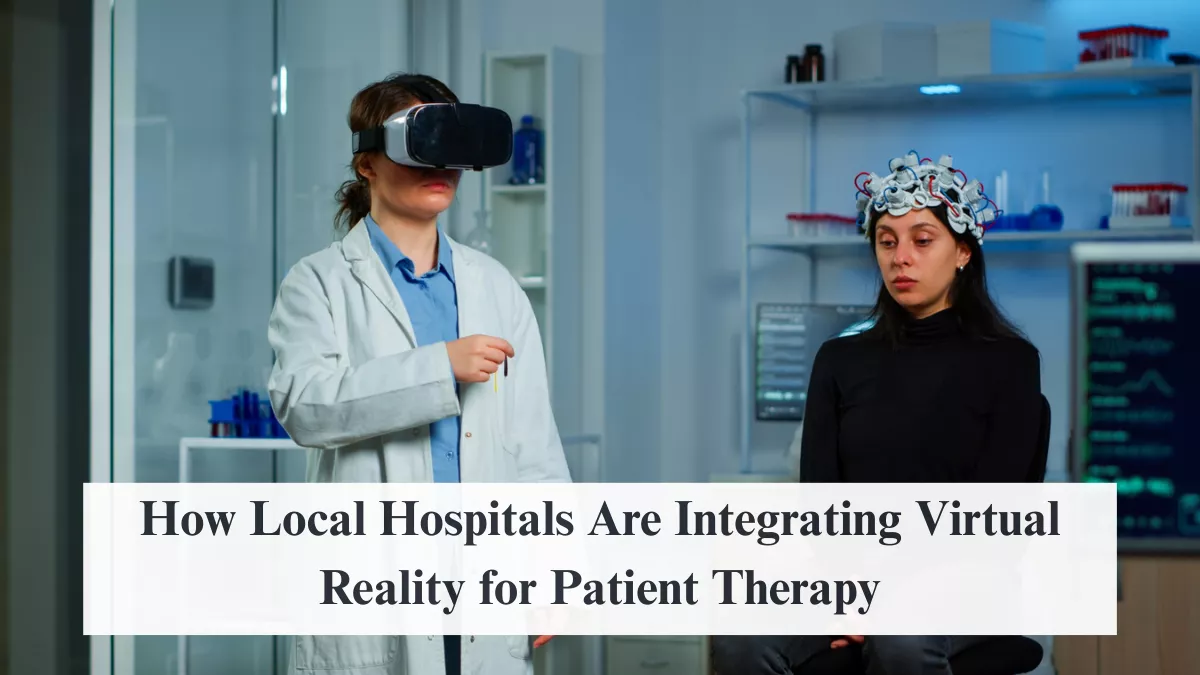
Virtual reality (VR) technology is transforming healthcare by offering immersive, interactive experiences that support patient therapy and rehabilitation. Local hospitals are increasingly adopting VR solutions to enhance traditional treatments, address pain management, reduce anxiety, and improve patient engagement. By simulating controlled environments, VR allows patients to participate in therapeutic exercises, exposure therapies, and cognitive training without leaving the safety of a hospital setting.
The integration of VR into patient care represents a shift toward innovative, patient-centered approaches that improve outcomes and overall experience. Local hospitals are at the forefront of this trend, leveraging technology to meet the diverse needs of their communities.


Understanding Virtual Reality in Patient Therapy
Virtual reality is a computer-generated environment that allows users to interact with simulated worlds through headsets, motion sensors, and interactive controllers. In healthcare, VR can simulate realistic scenarios tailored to specific therapeutic goals. For example, patients undergoing physical rehabilitation may navigate virtual obstacle courses to improve mobility, while those in pain management programs may be immersed in calming landscapes to reduce discomfort.
Mental health patients can experience controlled exposure to anxiety-inducing situations, aiding in cognitive-behavioral therapy. Local hospitals employ VR systems across various departments, including rehabilitation, mental health, pediatrics, and chronic disease management, providing personalized therapy solutions.

Pain Management and VR Therapy
VR has shown significant potential in reducing pain perception during medical procedures and chronic pain management. Immersive VR experiences divert attention from pain stimuli, creating a sense of presence in alternative environments. Hospitals integrate VR into burn treatment, post-surgical recovery, and chronic pain programs.
Patients report reduced discomfort and anxiety, which enhances adherence to therapy and improves outcomes. VR complements pharmacological interventions, potentially reducing reliance on pain medications and minimizing side effects. Local hospitals are using VR as part of multidisciplinary pain management strategies to optimize patient care.

Mental Health Applications
Local hospitals are increasingly using VR for mental health therapy. VR enables exposure therapy for patients with phobias, anxiety disorders, and post-traumatic stress disorder (PTSD). Controlled virtual scenarios allow patients to confront fears in a safe, monitored environment.
Cognitive-behavioral therapy integrated with VR provides interactive experiences that improve coping skills, emotional regulation, and behavioral responses. Pediatric patients may also benefit from VR interventions for anxiety reduction during medical procedures. Mental health professionals at local hospitals use VR to supplement traditional therapy, enhancing engagement and accelerating therapeutic progress.

Physical Rehabilitation and Mobility Improvement
Physical therapy and rehabilitation programs benefit significantly from VR integration. Patients recovering from strokes, orthopedic injuries, or neurological conditions engage in gamified VR exercises that promote strength, coordination, and balance. Virtual environments provide real-time feedback, allowing therapists to adjust difficulty levels and track patient progress.
VR-based rehabilitation motivates patients through interactive experiences and measurable performance goals, increasing adherence to therapy regimens. Local hospitals use VR to complement conventional rehabilitation approaches, providing patients with personalized, engaging, and effective therapeutic options.

Pediatric Care and VR Distraction Techniques
VR is particularly beneficial in pediatric care, where anxiety, fear, and noncompliance can hinder treatment. Hospitals employ VR as a distraction tool during vaccinations, minor procedures, and imaging studies. Children immersed in engaging VR environments report reduced pain, anxiety, and stress, improving cooperation with medical staff.
Pediatric VR programs also incorporate educational content, teaching children about their treatment and promoting health literacy. Hospitals that integrate VR in pediatric therapy create a positive, patient-centered experience that supports both physical and emotional wellbeing.
Enhancing Patient Engagement and Motivation
Patient engagement is a critical factor in successful therapy. VR provides immersive, interactive experiences that increase motivation and participation in therapeutic activities. Hospitals design VR programs with gamified elements, progress tracking, and rewards to encourage consistent participation.
Motivated patients adhere more closely to therapy regimens, achieve faster recovery, and experience improved outcomes. Local hospitals leverage VR to create personalized, engaging therapy sessions that foster patient autonomy and long-term health benefits.
Cognitive Therapy and Brain Training
VR applications extend to cognitive therapy for patients with neurological conditions, memory impairment, or traumatic brain injuries. Virtual environments simulate real-world challenges that promote problem-solving, attention, memory, and executive function.
Cognitive rehabilitation through VR provides safe, repeatable exercises that adapt to patient progress. Hospitals integrate VR cognitive programs with occupational therapy, speech therapy, and neurorehabilitation, enhancing overall therapeutic efficacy. Patients benefit from immersive training that improves daily functioning and quality of life.
Integrating VR With Traditional Therapy Approaches
VR is most effective when integrated with traditional therapy methods. Local hospitals combine VR sessions with in-person therapy, counseling, and clinical monitoring to provide comprehensive care. Multidisciplinary teams, including physicians, therapists, and psychologists, coordinate VR interventions to align with therapeutic goals. This hybrid approach ensures that patients receive personalized, evidence-based care that maximizes outcomes. Hospitals report improved patient satisfaction, reduced therapy dropout rates, and enhanced clinical effectiveness when VR complements standard treatments.
Reducing Anxiety and Stress in Hospital Environments
Hospital visits can be stressful and anxiety-inducing, particularly for patients undergoing procedures or prolonged treatment. VR provides immersive relaxation experiences, such as virtual nature walks, guided meditation, or calming interactive games.
By reducing anxiety, VR improves patient cooperation, lowers physiological stress responses, and supports faster recovery. Hospitals incorporate VR into waiting areas, preoperative preparation, and inpatient therapy sessions to enhance the overall patient experience.
Pain and Anxiety Management During Procedures
VR has proven effective in reducing procedural pain and anxiety. Hospitals implement VR for patients undergoing dental procedures, minor surgeries, chemotherapy, or wound care. Immersive experiences divert attention from discomfort, lower perceived pain levels, and reduce stress-induced complications.
Patients report positive experiences, while medical staff benefit from smoother procedures and increased efficiency. VR-assisted procedural care is becoming a standard adjunctive therapy in local hospitals for pain and anxiety management.
Training Medical Staff Through VR Simulations
Beyond patient therapy, VR is transforming staff training and clinical education. Hospitals use VR simulations to train staff in surgical procedures, emergency response, and patient care techniques. Immersive training allows clinicians to practice complex scenarios in a safe, controlled environment, improving skills, confidence, and procedural accuracy. Enhanced staff preparedness translates into more efficient therapy delivery and improved patient outcomes. Hospitals that integrate VR training for staff ensure consistent, high-quality care for patients across multiple departments.
Accessibility and Remote VR Therapy
Local hospitals are exploring VR applications for patients with mobility or geographic limitations. Remote VR therapy allows patients to access rehabilitation, cognitive training, or mental health interventions from home. Telehealth integration with VR ensures continuity of care, reduces hospital visits, and maintains engagement in therapy programs. Remote VR solutions expand access, particularly for elderly patients, rural communities, and individuals with chronic conditions. Hospitals leveraging VR for remote therapy improve equity in healthcare delivery and patient convenience.
Data Collection and Outcome Tracking
VR therapy systems provide hospitals with valuable data on patient performance, engagement, and progress. Metrics such as task completion, movement accuracy, response times, and adherence rates are tracked and analyzed. This data informs individualized therapy plans, enables real-time adjustments, and measures the efficacy of interventions. Hospitals use VR-generated insights to optimize treatment, improve patient outcomes, and refine future VR programs. Data-driven therapy ensures personalized care and supports evidence-based clinical decision-making.
Cost-Effectiveness and Long-Term Benefits
While VR technology requires initial investment, hospitals report long-term cost-effectiveness through improved patient outcomes, reduced therapy durations, and decreased reliance on pharmacological interventions. VR reduces complications, lowers hospital readmission rates, and enhances patient adherence to therapy plans. Hospitals adopting VR integrate cost analysis into program planning, ensuring sustainable implementation that benefits both patients and healthcare systems.
Addressing Patient Diversity and Needs
VR programs are designed to accommodate diverse patient populations, including children, adults, seniors, and individuals with disabilities. Hospitals tailor virtual environments, therapy intensity, and interaction methods to suit individual needs.
Accessibility features, language options, and culturally relevant content ensure that VR therapy is inclusive and effective for all patients. By addressing diverse needs, local hospitals maximize the impact of VR interventions across their communities.
Collaborating With Technology Providers and Researchers
Hospitals collaborate with VR technology providers, academic institutions, and researchers to develop evidence-based therapy programs. Partnerships allow hospitals to access the latest VR innovations, conduct clinical trials, and validate therapeutic outcomes.
Collaborative research ensures that VR interventions are safe, effective, and aligned with best practices. Hospitals also contribute real-world data that advance VR applications in healthcare, promoting continuous improvement and innovation.
Patient Education and Orientation
Patient education is critical for successful VR therapy. Hospitals provide orientation sessions, tutorials, and instructional materials to familiarize patients with VR equipment and procedures.
Clear guidance reduces apprehension, ensures safe usage, and enhances therapeutic engagement. Educated patients are more likely to comply with VR therapy protocols and achieve optimal outcomes. Hospitals emphasize communication and support to foster confidence and comfort in VR therapy adoption.
Monitoring Safety and Infection Control
VR equipment requires careful attention to hygiene, safety, and infection control. Hospitals implement strict cleaning protocols for headsets, controllers, and shared equipment.
Safety measures include supervising sessions, monitoring patient responses, and adjusting VR experiences for comfort and accessibility. Infection control and patient safety protocols ensure that VR therapy remains a safe and reliable adjunct to conventional treatments.
Measuring Clinical Effectiveness
Hospitals evaluate VR therapy programs using clinical outcomes, patient satisfaction surveys, and quantitative performance metrics. Effectiveness is assessed through improvements in physical function, cognitive performance, pain reduction, and psychological wellbeing.
Ongoing assessment allows hospitals to refine protocols, optimize therapy schedules, and demonstrate the clinical value of VR interventions. Evidence-based evaluation ensures that VR therapy continues to enhance patient care quality.
Integrating VR Into Long-Term Care Programs
VR is increasingly integrated into long-term care programs for chronic conditions, rehabilitation, and mental health management. Hospitals design sequential VR therapy plans that evolve with patient progress. Long-term programs improve adherence, reduce therapy fatigue, and foster sustainable health improvements. Integration into ongoing care ensures that VR contributes meaningfully to patient recovery, quality of life, and long-term wellness.
Future Directions of VR Therapy in Hospitals
The future of VR in healthcare includes expanded applications in telemedicine, augmented reality integration, AI-driven personalized therapy, and immersive educational programs.
Local hospitals are exploring advanced VR scenarios for multi-sensory rehabilitation, remote surgical guidance, and predictive analytics. Continued innovation will enhance therapy precision, accessibility, and engagement, transforming patient care delivery across multiple specialties. Hospitals adopting forward-thinking VR strategies will remain at the forefront of patient-centered innovation.
Conclusion: Transforming Patient Therapy With VR
Local hospitals are revolutionizing patient therapy through the integration of virtual reality technology. VR supports pain management, mental health, rehabilitation, pediatric care, cognitive therapy, and staff training, creating immersive, interactive, and personalized therapeutic experiences.
By combining VR with traditional treatment approaches, hospitals enhance patient engagement, reduce anxiety, improve clinical outcomes, and expand access to care. Data-driven insights, ongoing evaluation, and collaboration with technology providers ensure effective, evidence-based implementation.
As VR technology continues to evolve, local hospitals will leverage its potential to transform therapy, improve patient satisfaction, and deliver innovative, high-quality care to communities. Virtual reality is no longer a futuristic concept—it is a practical, powerful tool reshaping patient therapy today.