
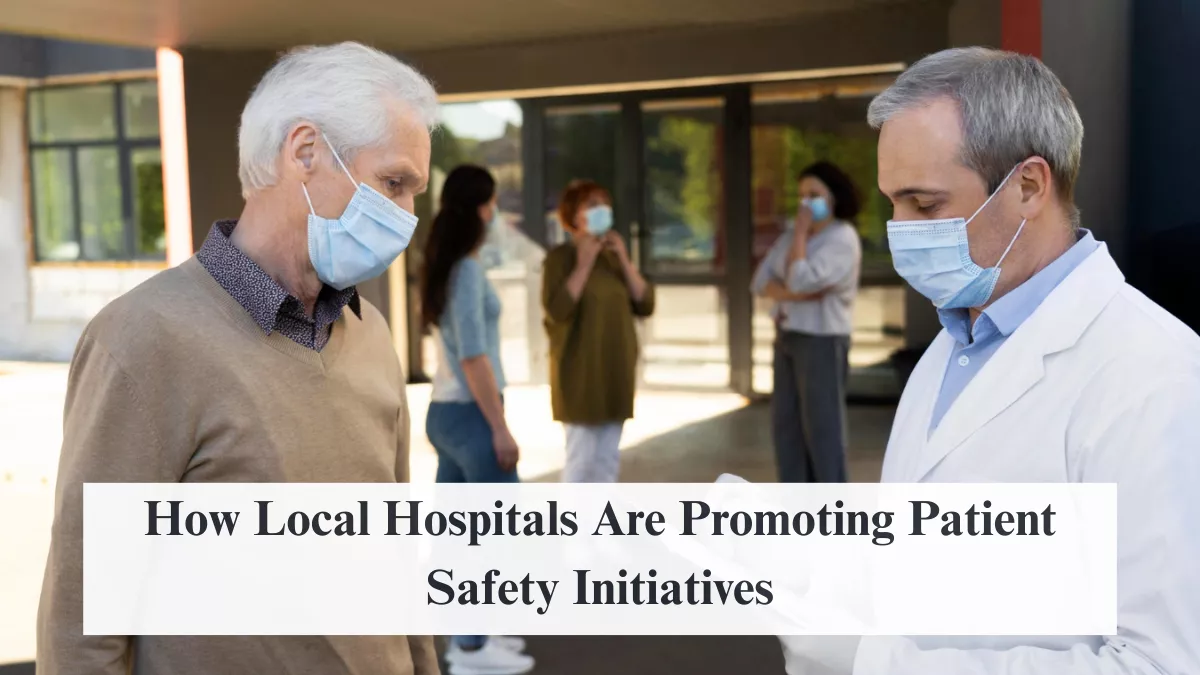
Patient safety has become a cornerstone of modern healthcare, as hospitals strive to reduce medical errors, prevent adverse events, and improve overall quality of care. Ensuring patient safety is not only a regulatory and ethical responsibility but also a critical factor in patient trust and outcomes. Local hospitals, often the first point of care in a community, play a crucial role in promoting patient safety initiatives.
They focus on creating safe environments, implementing evidence-based practices, and fostering a culture of accountability among healthcare professionals. These initiatives span infection control, medication safety, surgical protocols, and staff education. By prioritizing safety, hospitals protect patients from preventable harm, enhance clinical outcomes, and reduce healthcare costs associated with complications. The growing emphasis on patient safety reflects the healthcare system’s commitment to excellence, transparency, and continuous improvement in delivering care that patients can trust.


Establishing a Culture of Safety
A strong culture of safety is fundamental for local hospitals seeking to reduce errors and improve patient outcomes. This culture emphasizes open communication, accountability, and proactive reporting of near misses or adverse events. Hospitals encourage staff at all levels to identify safety concerns without fear of reprisal, fostering a learning environment that continuously evolves. Leadership plays a pivotal role by modeling safe practices, providing adequate resources, and supporting ongoing training programs.
Safety culture assessments, surveys, and team meetings help hospitals gauge their progress and identify areas needing improvement. By embedding safety into daily routines, decision-making, and policies, hospitals ensure that patient protection becomes an integral part of organizational behavior. This proactive approach reduces preventable incidents and establishes trust between patients and healthcare providers.

Implementation of Standardized Protocols
Local hospitals enhance patient safety through standardized clinical protocols and guidelines. Protocols ensure consistency in procedures such as medication administration, surgical checklists, patient identification, and infection prevention. Standardization minimizes variations in care that can lead to errors or adverse events. For example, surgical safety checklists verify patient identity, procedure details, and sterilization measures, significantly reducing surgical complications.
Medication protocols include verification steps, dosage checks, and reconciliation processes to prevent prescription errors. Evidence-based guidelines also cover infection control, fall prevention, and emergency response, ensuring that staff follow best practices. By adopting standardized protocols, local hospitals reduce variability, improve efficiency, and create a structured framework that prioritizes patient safety in every interaction and clinical decision.

Infection Control and Hygiene Initiatives
Infection prevention is a critical component of patient safety, particularly in hospitals where patients are vulnerable to healthcare-associated infections (HAIs). Local hospitals implement stringent hygiene protocols, including hand hygiene campaigns, sterilization of medical equipment, and isolation procedures for infectious patients. Staff receive regular training on infection control practices, and hospitals monitor compliance through audits and observation.
Environmental cleaning protocols, use of personal protective equipment (PPE), and antimicrobial stewardship programs further reduce infection risks. Early detection of infections and prompt interventions prevent outbreaks and safeguard patients and staff alike. These initiatives are essential in reducing morbidity, mortality, and healthcare costs associated with HAIs. By prioritizing infection control, local hospitals create a safer environment that enhances patient confidence and overall care quality.

Medication Safety Measures
Medication errors are a leading cause of preventable harm in hospitals, making medication safety initiatives a top priority. Local hospitals implement strategies such as electronic prescribing, barcode scanning, and medication reconciliation to ensure accurate administration. Pharmacists review prescriptions, check for potential drug interactions, and educate patients on proper usage.
Automated dispensing systems and double-check protocols further reduce the risk of errors. Education programs for nurses and physicians emphasize adherence to safe medication practices and encourage reporting of near misses. Patient involvement, including counseling on drug regimens and side effects, enhances safety and adherence. By implementing these measures, hospitals reduce adverse drug events, improve treatment effectiveness, and foster a culture of vigilance in medication management. Medication safety is a core component of patient-centered care and an essential aspect of overall hospital safety initiatives.

Surgical Safety Programs
Surgical procedures carry inherent risks, making patient safety in the operating room a critical focus for local hospitals. Surgical safety programs include preoperative assessments, time-out protocols, infection prevention measures, and postoperative monitoring. Checklists verify patient identity, procedure type, surgical site, and equipment readiness. Hospitals also employ specialized teams trained in surgical protocols, emergency response, and anesthesia safety. Continuous monitoring of vital signs, sterile technique, and postoperative recovery reduces complications such as infections, bleeding, and anesthesia-related issues.
Hospitals track surgical outcomes, review adverse events, and implement corrective measures to enhance safety continuously. By investing in surgical safety programs, local hospitals minimize risks, improve patient outcomes, and instill confidence in patients undergoing invasive procedures, demonstrating their commitment to comprehensive care.
Patient Identification and Communication Systems
Accurate patient identification and effective communication are essential for preventing medical errors. Local hospitals employ wristbands, electronic health records (EHRs), and bedside verification processes to ensure correct patient identification. Communication tools, including standardized handoff protocols and shift-change briefings, help staff share critical patient information effectively.
Clear communication between healthcare providers, patients, and families reduces misunderstandings, delays, and errors. Hospitals may also use visual alerts, signage, and patient education materials to support communication and safety awareness. By implementing robust identification and communication systems, hospitals prevent errors related to misdiagnosis, medication administration, or procedural mistakes. These systems promote a safer care environment and ensure that patients receive the appropriate interventions tailored to their specific needs.
Technology and Electronic Health Records
Technology plays a transformative role in promoting patient safety at local hospitals. Electronic health records (EHRs) provide real-time access to patient medical histories, allergies, test results, and medication lists. EHRs support clinical decision-making, reduce errors, and facilitate care coordination across departments. Alerts and reminders within EHRs notify providers of potential risks, drug interactions, or overdue screenings.
Telehealth systems, remote monitoring, and diagnostic tools further enhance safety by enabling timely interventions and continuous patient tracking. Hospitals also employ automated systems for lab results, imaging, and scheduling, reducing human error. By leveraging technology, hospitals streamline workflows, enhance accuracy, and create a safer environment where patients receive informed, timely, and coordinated care.
Staff Training and Continuing Education
Ongoing staff training is essential for maintaining a culture of patient safety. Local hospitals provide regular education on clinical protocols, infection control, emergency response, medication safety, and communication skills. Simulation-based training allows staff to practice high-risk scenarios, such as cardiac arrests, surgical complications, and patient transfers, without endangering patients.
Continuing education programs keep staff updated on the latest evidence-based practices and regulatory requirements. Mentorship, peer review, and competency assessments ensure adherence to safety standards. By investing in professional development, hospitals enhance staff expertise, confidence, and accountability. Well-trained personnel are better equipped to identify risks, respond effectively to emergencies, and uphold high standards of patient care, making education a cornerstone of patient safety initiatives.
Patient Engagement and Education
Engaging patients in their own care is a vital component of hospital safety initiatives. Local hospitals educate patients about their conditions, treatment plans, medications, and preventive measures. Patient involvement reduces errors, improves adherence, and promotes early detection of complications. Hospitals provide resources such as informational brochures, workshops, and digital platforms to facilitate understanding and active participation.
Encouraging patients to ask questions, verify information, and report concerns empowers them to take ownership of their health. Family engagement further supports safety, especially for elderly or vulnerable patients. By promoting patient education and engagement, hospitals enhance transparency, reduce preventable harm, and strengthen the partnership between healthcare providers and the individuals they serve.
Monitoring and Reporting Systems
Effective monitoring and reporting systems are critical for identifying safety issues and implementing corrective actions. Local hospitals use incident reporting systems, adverse event tracking, and quality dashboards to monitor patient safety indicators. Staff are encouraged to report near misses, medication errors, and safety concerns, which are analyzed to identify trends and prevent recurrence.
Regular audits, safety rounds, and performance reviews help hospitals maintain accountability and adherence to protocols. Data from monitoring systems informs policy updates, staff training, and process improvements. By systematically tracking safety metrics, hospitals can proactively address risks, improve outcomes, and ensure continuous quality enhancement. Reporting and monitoring create a feedback loop that strengthens the overall patient safety culture.
Emergency Preparedness and Risk Management
Local hospitals develop comprehensive emergency preparedness and risk management plans to protect patients and staff during crises. These plans address scenarios such as natural disasters, pandemics, mass casualty events, and internal emergencies. Hospitals conduct drills, maintain emergency supplies, and establish communication protocols to ensure a rapid, coordinated response.
Risk management teams assess potential hazards, develop mitigation strategies, and review incident outcomes to prevent recurrence. Preparedness initiatives include staff training, patient evacuation procedures, and collaboration with local authorities. By anticipating and planning for emergencies, hospitals reduce risks, maintain continuity of care, and safeguard patient safety during unpredictable situations. Effective risk management demonstrates a proactive approach that prioritizes protection and resilience.
Quality Improvement Programs
Continuous quality improvement programs are integral to patient safety efforts at local hospitals. Hospitals use data-driven approaches to evaluate clinical processes, identify gaps, and implement interventions that enhance care. Quality improvement initiatives may target infection reduction, medication safety, surgical outcomes, patient satisfaction, or workflow efficiency.
Multidisciplinary committees review outcomes, set performance benchmarks, and implement best practices. Hospitals also benchmark against national safety standards to ensure compliance and excellence. Continuous improvement fosters accountability, transparency, and innovation, ensuring that patient safety remains a dynamic, evolving priority. By embedding quality improvement into daily operations, hospitals maintain high standards of care, reduce preventable harm, and enhance overall patient experiences.
Collaboration with Regulatory Bodies and Accreditation Agencies
Local hospitals collaborate with regulatory agencies and accreditation bodies to reinforce patient safety standards. Compliance with organizations such as The Joint Commission, Centers for Medicare & Medicaid Services (CMS), and state health departments ensures adherence to evidence-based practices. Accreditation processes involve rigorous evaluation of protocols, staffing, training, and facility infrastructure.
Hospitals use feedback from these agencies to implement corrective actions and maintain continuous improvement. Collaboration also includes participation in national patient safety initiatives, data sharing, and benchmarking. By aligning with regulatory requirements and best practices, local hospitals demonstrate accountability, foster public trust, and ensure that safety initiatives meet recognized standards. External oversight strengthens internal processes and promotes a culture of excellence.
Addressing Challenges in Patient Safety
Despite ongoing efforts, local hospitals face challenges in maintaining optimal patient safety. High patient volumes, staff shortages, limited funding, and complex medical cases can strain resources and increase risk. Resistance to change, communication barriers, and inconsistent adherence to protocols may further hinder safety initiatives.
Hospitals address these challenges through technology adoption, staff training, process standardization, and patient engagement strategies. Collaborative problem-solving, leadership commitment, and continuous monitoring help overcome obstacles and sustain safety improvements. By identifying and mitigating challenges proactively, hospitals maintain effective safety programs, ensuring that patient care remains reliable, consistent, and protective across all departments.
Conclusion: The Impact of Safety Initiatives on Patient Care
Local hospitals play a pivotal role in advancing patient safety, implementing comprehensive initiatives that reduce medical errors, prevent adverse events, and improve outcomes. Through culture building, standardized protocols, infection control, medication safety, staff education, and patient engagement, hospitals create environments that prioritize protection and quality care.
Monitoring, reporting, quality improvement, and regulatory collaboration further strengthen safety practices. While challenges persist, proactive strategies and continuous innovation ensure that patients receive care that is both safe and effective. By investing in patient safety initiatives, local hospitals demonstrate a commitment to excellence, foster community trust, and deliver healthcare that protects and empowers patients throughout their treatment journey. Patient safety is not only a goal but a continuous mission that enhances the overall quality of healthcare delivery.