
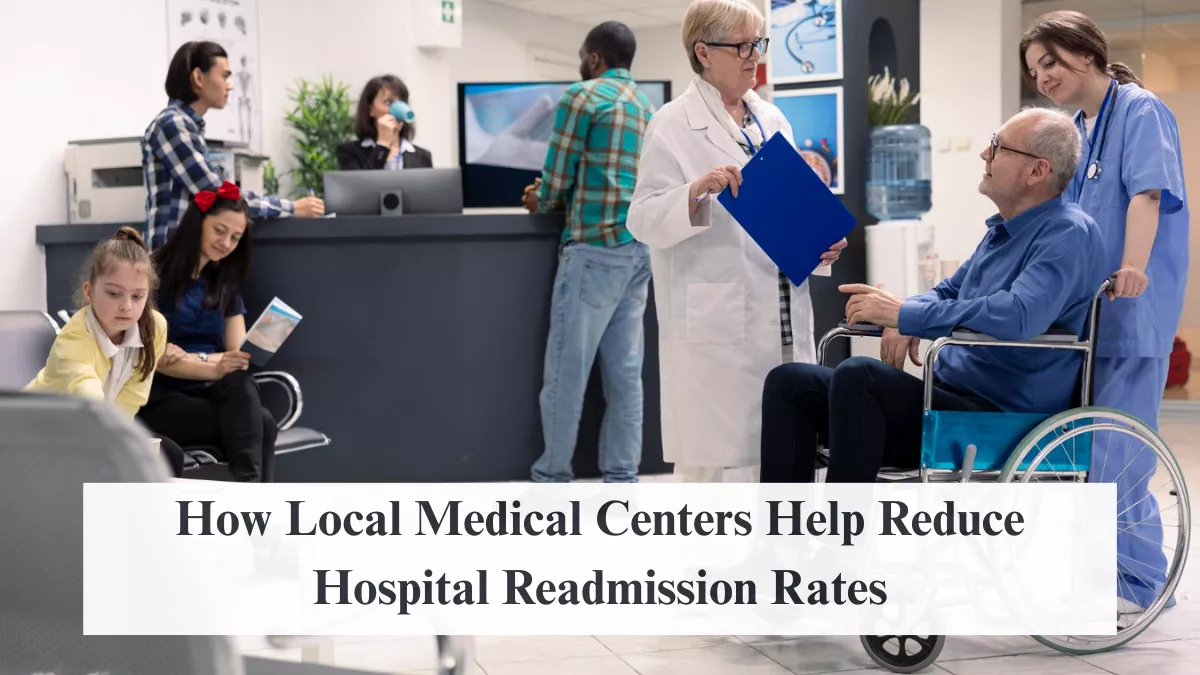
Hospital readmissions pose significant challenges to both patients and healthcare systems. Patients returning to the hospital shortly after discharge often experience increased physical, emotional, and financial stress. For healthcare facilities, high readmission rates can indicate gaps in care and result in financial penalties under value-based care models.
Local medical centers play a critical role in reducing readmissions by implementing proactive strategies that emphasize patient-centered care, effective discharge planning, follow-up, and community engagement. By addressing the medical, social, and emotional needs of patients, local medical centers help ensure that recovery continues safely after discharge.


This comprehensive approach not only improves patient outcomes but also enhances satisfaction and reduces the burden on hospitals. Reducing readmissions requires collaboration between hospital teams, outpatient providers, community services, and patients themselves, making local medical centers essential in creating continuity of care.
Understanding Hospital Readmissions
Hospital readmissions occur when patients return to the hospital within a short period after being discharged, usually within 30 days. Readmissions can result from preventable issues, such as medication errors, insufficient follow-up care, complications, or lack of patient education. Chronic illnesses, inadequate home support, and social determinants of health also contribute to readmission risk.

Local medical centers address these factors through structured interventions designed to ensure continuity of care. By understanding the causes of readmissions, centers can implement strategies to prevent avoidable returns, improve recovery outcomes, and enhance overall healthcare efficiency. Data analysis and patient monitoring allow medical centers to identify high-risk populations and allocate resources effectively to support safe transitions from inpatient to outpatient care.
Comprehensive Discharge Planning
One of the most effective ways local medical centers reduce readmissions is through comprehensive discharge planning. Discharge planning begins early during hospitalization and involves assessing patient needs, identifying potential risks, and creating individualized care plans. Medical teams review medications, explain treatment instructions, and schedule follow-up appointments before discharge.

Patients receive clear, written guidance on warning signs, lifestyle adjustments, and self-care strategies. Involving family members and caregivers in discharge planning enhances understanding and support at home. By providing structured guidance, local medical centers minimize confusion, prevent complications, and prepare patients for a smooth transition to home care, thereby reducing the likelihood of readmission.
Multidisciplinary Care Teams
Reducing readmission rates requires a coordinated, team-based approach. Local medical centers utilize multidisciplinary care teams, including physicians, nurses, pharmacists, social workers, and case managers. Each professional contributes specialized knowledge to address patients’ comprehensive needs.
Nurses educate patients on self-care, pharmacists review medications to prevent errors, and social workers provide resources to overcome social barriers. Case managers coordinate follow-up appointments and monitor progress. Multidisciplinary collaboration ensures that all aspects of patient care are considered, creating a seamless transition between hospital and home. Effective teamwork fosters clear communication, reduces gaps in care, and improves outcomes, making coordinated care a cornerstone in lowering readmission rates.
Patient Education and Engagement
Patient education is critical for preventing readmissions. Local medical centers focus on empowering patients with the knowledge and skills necessary to manage their health effectively after discharge. Education includes instructions on medications, wound care, diet, activity levels, and recognizing warning signs of complications.

Centers also emphasize health literacy, ensuring that explanations are clear, culturally sensitive, and understandable. Engaging patients in their care encourages adherence to treatment plans, increases confidence, and reduces the likelihood of complications. Patients who understand their care responsibilities are better equipped to manage chronic conditions, follow preventive measures, and make informed health decisions, directly contributing to lower readmission rates.
Medication Reconciliation and Safety
Medication errors are a common cause of hospital readmissions. Local medical centers implement rigorous medication reconciliation processes to ensure that patients leave the hospital with accurate prescriptions. Pharmacists review all medications for potential interactions, duplications, or dosing issues and provide patients with clear instructions. Patients are encouraged to ask questions and use tools such as pill organizers or medication schedules.
Proper medication management prevents adverse reactions, improves adherence, and reduces the risk of avoidable readmissions. By prioritizing medication safety, local medical centers address one of the most preventable causes of hospital returns and enhance overall patient outcomes.
Post-Discharge Follow-Up
Timely post-discharge follow-up is essential for reducing readmissions. Local medical centers schedule appointments with primary care providers or specialists before patients leave the hospital. Follow-up calls or virtual check-ins allow healthcare professionals to monitor recovery, answer questions, and address emerging concerns.
Early identification of complications ensures prompt intervention, preventing deterioration that could result in readmission. Follow-up care also reinforces patient education, confirms adherence to treatment plans, and provides support for patients and caregivers. By maintaining consistent contact with patients after discharge, local medical centers ensure continuity of care and mitigate risks associated with gaps in monitoring.
Home Health Services
Home health services play a crucial role in preventing hospital readmissions. Patients with complex medical conditions, mobility limitations, or limited family support often benefit from in-home nursing visits, physical therapy, or occupational therapy. Local medical centers coordinate these services to ensure patients receive professional care in a familiar and supportive environment.
Home health providers monitor vital signs, reinforce education, manage medications, and address concerns promptly. These interventions improve recovery outcomes, enhance patient safety, and reduce the likelihood of hospital returns. By facilitating home-based care, local medical centers extend support beyond the hospital and promote sustainable health management.
Telehealth and Remote Monitoring
Technology-driven solutions, including telehealth and remote patient monitoring, help local medical centers reduce readmissions. Telehealth appointments allow providers to check in with patients without requiring travel, increasing accessibility and adherence. Remote monitoring devices track vital signs, blood sugar levels, or heart rhythms, alerting providers to potential problems early.
Real-time data enables timely interventions, preventing complications that could lead to readmission. Technology also supports patient engagement, education, and self-management. By integrating digital tools into post-discharge care, local medical centers enhance oversight, improve outcomes, and reduce unnecessary hospital visits.
Addressing Social Determinants of Health
Social determinants of health, such as housing, transportation, and access to nutritious food, significantly influence patient recovery and readmission risk. Local medical centers identify these factors during discharge planning and connect patients with community resources.
Social workers help patients navigate support programs, transportation services, or financial assistance. Addressing social needs ensures that patients can follow treatment plans and attend follow-up appointments. By considering the broader context of patient lives, medical centers provide holistic care that reduces barriers, promotes adherence, and lowers readmission rates. Recognizing and mitigating social challenges is essential for sustainable recovery.
Care Coordination With Community Resources
Collaboration with community organizations strengthens readmission prevention efforts. Local medical centers partner with home health agencies, rehabilitation centers, support groups, and public health organizations to provide comprehensive support.
Case managers coordinate services, ensuring alignment with discharge plans and ongoing care needs. Patients benefit from access to transportation, nutrition assistance, counseling, and educational programs. Community collaboration creates a safety net that supports recovery and reduces the likelihood of complications that might lead to hospital readmission. By leveraging local resources, medical centers extend their impact beyond clinical care, fostering continuity and resilience in the community.
Chronic Disease Management Programs
Chronic conditions such as diabetes, heart failure, and chronic obstructive pulmonary disease are major contributors to hospital readmissions. Local medical centers implement disease management programs to monitor patients, educate them on self-care, and provide ongoing support.
These programs emphasize adherence to medications, lifestyle modifications, symptom recognition, and timely intervention. By addressing chronic disease proactively, medical centers prevent exacerbations, reduce complications, and minimize hospital returns. Structured management programs also empower patients to take an active role in their health, improving long-term outcomes and reducing healthcare costs.
Mental and Emotional Support
Emotional well-being is closely tied to physical recovery. Anxiety, depression, or stress can affect adherence to treatment plans and increase readmission risk. Local medical centers provide mental health resources, counseling, and support groups to help patients cope with the challenges of illness and recovery.
Case managers monitor emotional health and facilitate referrals when needed. By addressing psychological needs alongside medical care, centers create a holistic approach that promotes resilience, motivation, and engagement, all of which contribute to lower readmission rates.
Quality Improvement and Data Analytics
Local medical centers use data analytics to monitor readmission trends, identify high-risk patients, and evaluate the effectiveness of interventions. Quality improvement initiatives target gaps in care, enhance protocols, and optimize resource allocation.
Tracking outcomes allows centers to implement evidence-based strategies and adjust care plans proactively. Continuous quality improvement ensures that readmission reduction efforts remain effective, responsive, and aligned with patient needs. Data-driven approaches enhance patient safety, efficiency, and overall healthcare quality.
Patient Engagement and Self-Management
Engaging patients in their care is critical for preventing readmissions. Local medical centers provide tools, education, and support to help patients manage their conditions independently. Encouraging self-monitoring, symptom tracking, and adherence to treatment plans fosters accountability and confidence.
Patients who actively participate in their recovery are less likely to experience complications or require readmission. Education, motivation, and empowerment are central to sustainable health management and improved outcomes.
Future Directions in Readmission Reduction
Reducing hospital readmissions is an ongoing priority for local medical centers. Future strategies involve greater integration of technology, predictive analytics, and patient-centered care models. AI and data-driven algorithms can identify patients at high risk of readmission, enabling proactive intervention. Telemedicine, wearable devices, and remote monitoring enhance accessibility and continuous support.
Emphasizing collaboration with community resources, social services, and public health programs ensures holistic care. As healthcare systems evolve, innovative approaches combined with patient-centered strategies will continue to improve outcomes and reduce readmission rates.
Conclusion
Local medical centers play a vital role in reducing hospital readmission rates by providing comprehensive, patient-centered support. Through discharge planning, care coordination, patient education, chronic disease management, and community collaboration, centers ensure that patients recover safely and effectively after hospitalization. Addressing social determinants of health, leveraging technology, and offering mental and emotional support further enhance outcomes.
By implementing proactive strategies, monitoring data, and engaging patients, local medical centers improve continuity of care, patient satisfaction, and long-term health. Reducing readmissions benefits patients, families, healthcare systems, and communities, highlighting the essential role of local medical centers in promoting safe, efficient, and high-quality care.
Frequently Asked Questions (FAQs)
What is a hospital readmission?
A readmission occurs when a patient returns to the hospital shortly after discharge, typically within 30 days, due to complications or inadequate follow-up.
How do local medical centers reduce readmission rates?
They use discharge planning, patient education, care coordination, home health services, and chronic disease management to support safe recovery.
Who is involved in preventing hospital readmissions?
Multidisciplinary teams including physicians, nurses, case managers, pharmacists, social workers, and community service providers work together to prevent readmissions.
Why is post-discharge follow-up important?
Follow-up ensures that patients recover safely, adhere to treatment plans, and receive timely intervention if complications arise, reducing readmission risk.