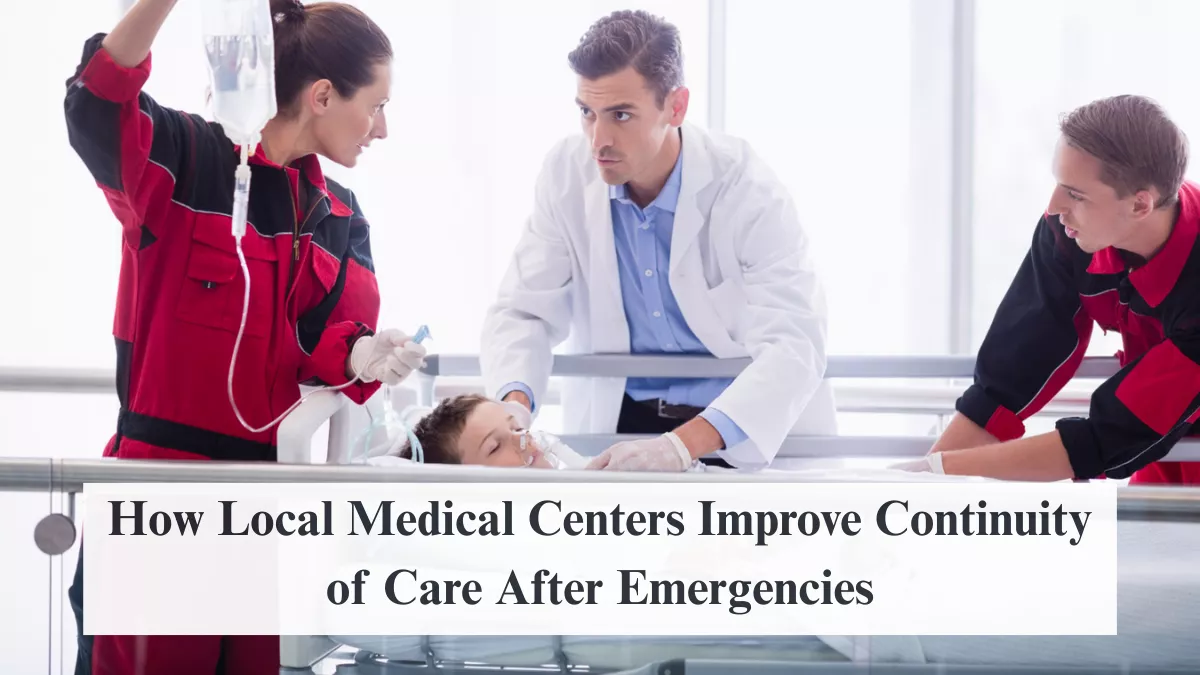
Medical emergencies often arrive without warning, leaving patients and families focused entirely on immediate survival and stabilization. However, once the emergency phase ends, a new and equally important phase begins: recovery and long term care. Continuity of care after emergencies is essential for preventing complications, managing ongoing conditions, and restoring overall health.
Local medical centers play a critical role in ensuring that care does not stop at the emergency room doors. By coordinating follow up services, communicating across providers, and supporting patients through recovery, these centers help transform emergency treatment into a structured healing journey that promotes better outcomes and long lasting wellness.
 How Community Hospitals Are Using AI to Improve Diagnostic Accuracy
Understanding Continuity of Care After Emergencies
Continuity of care refers to the seamless coordination of healthcare services as a patient moves from one stage of treatment to another. After an emergency, patients often transition from emergency departments to inpatient units, outpatient clinics, rehabilitation centers, or home based care. Without proper coordination, important medical information can be lost, leading to gaps in treatment or delayed recovery.
Local medical centers focus on maintaining consistency in care by ensuring that patient information, treatment plans, and follow up needs are clearly communicated. This continuity reduces confusion, improves safety, and helps patients feel supported throughout the recovery process.
 The Role of Local Medical Centers in Promoting Heart Health Awareness
The Role of Emergency Departments in Care Transitions
Emergency departments serve as the entry point for many patients experiencing acute health crises. While emergency teams prioritize rapid assessment and stabilization, they also initiate the continuity of care process. Local medical centers ensure that emergency department staff document diagnoses, treatments, and test results accurately.
This information is shared with inpatient teams or primary care providers who will continue care. By creating clear handoff procedures, emergency departments contribute to smoother transitions and reduce the risk of miscommunication once the immediate crisis has passed.
 How Mobile Clinics Are Expanding Healthcare Access in Underserved Areas
Coordinated Discharge Planning After Emergency Care
Discharge planning is a vital step in maintaining continuity of care after emergencies. Local medical centers begin planning for discharge early, even while patients are still receiving emergency or inpatient treatment. Care coordinators assess patient needs, including medications, follow up appointments, and home support. Patients receive clear instructions about warning signs, activity limitations, and recovery expectations.
By organizing care before discharge, medical centers help patients transition safely to the next phase of treatment without unnecessary delays or confusion.
 Why Hospital-Based Exercise Programs Improve Patient Recovery Rates
Communication Between Healthcare Providers
Effective communication is the foundation of continuity of care. Local medical centers emphasize timely and accurate information sharing between emergency physicians, specialists, primary care providers, and allied health professionals. Electronic health records allow providers to access patient histories, test results, and treatment notes in real time. This shared access ensures that all providers are working from the same information, reducing errors and duplication of services. Strong communication networks help maintain consistent care as patients move across healthcare settings.
Follow Up Appointments and Care Coordination
After an emergency, follow up care is essential to monitor recovery and prevent complications. Local medical centers take an active role in scheduling follow up appointments with primary care providers or specialists before patients leave the hospital.
 How Community Hospitals Are Supporting Nutrition and Lifestyle Education
This proactive approach reduces the risk of missed visits and delayed treatment. Care coordinators also help patients understand the importance of attending follow up appointments and address barriers such as transportation or scheduling conflicts. Timely follow up strengthens recovery and reinforces continuity of care.
Medication Management After Emergencies
Medication changes are common after emergency treatment, particularly for patients with new diagnoses or injuries. Local medical centers improve continuity of care by ensuring accurate medication reconciliation during transitions. Pharmacists review prescriptions, explain dosage changes, and identify potential drug interactions. Patients receive clear medication lists and instructions before discharge. This careful management reduces medication errors, improves adherence, and supports safe recovery after emergency care.
Support for Patients With Chronic Conditions
Patients with chronic illnesses often face increased risks after emergencies, as acute events can worsen existing conditions. Local medical centers tailor continuity of care strategies to address these complex needs. Care teams coordinate emergency treatment with ongoing chronic disease management plans.
Communication with primary care providers and specialists ensures continuity in monitoring and treatment adjustments. By integrating emergency care with long term management, medical centers help prevent setbacks and promote stability for patients with chronic conditions.
The Role of Case Managers and Care Coordinators
Case managers and care coordinators are central to maintaining continuity of care after emergencies. These professionals act as liaisons between patients, families, and healthcare providers. They help organize services, clarify treatment plans, and address social or financial barriers to care.
Local medical centers rely on these roles to ensure that no aspect of recovery is overlooked. Their personalized support helps patients navigate complex healthcare systems with confidence and clarity.
Patient Education and Empowerment
Education is a powerful tool for improving continuity of care. Local medical centers invest in educating patients about their condition, treatment plan, and recovery process. Patients learn how to manage symptoms, recognize warning signs, and follow care instructions at home.
Educational materials are often tailored to individual needs and literacy levels. When patients understand their role in recovery, they are more likely to adhere to care plans and seek timely help, strengthening continuity after emergencies.
Involving Family Members and Caregivers
Family members and caregivers play an essential role in supporting recovery after emergencies. Local medical centers actively involve them in care planning and education. Caregivers receive instructions on medication administration, mobility assistance, and symptom monitoring. Including caregivers improves communication and ensures that patients have support at home. This collaborative approach enhances continuity of care and reduces the likelihood of complications or readmissions.
Use of Technology to Enhance Care Continuity
Technology has become a valuable asset in improving continuity of care after emergencies. Local medical centers use electronic health records to track patient progress and share information across departments. Patient portals allow individuals to access discharge instructions, test results, and appointment schedules. Telehealth services provide remote follow up consultations, especially for patients with mobility challenges. These digital tools enhance communication, accessibility, and patient engagement throughout recovery.
Reducing Readmissions Through Ongoing Monitoring
Preventing avoidable readmissions is a key goal of continuity of care. Local medical centers implement monitoring strategies to identify potential issues early. Follow up phone calls, remote monitoring devices, and home health visits help assess patient progress after discharge. If concerns arise, care teams can intervene promptly. Early detection and intervention reduce the need for repeat emergency visits and support safer, more effective recovery.
Collaboration With Community Healthcare Providers
Continuity of care extends beyond hospital walls into the community. Local medical centers collaborate with community clinics, rehabilitation facilities, and home health agencies to support recovery. These partnerships ensure that patients receive consistent care across settings. Information sharing and coordinated referrals strengthen the care continuum. Community collaboration allows medical centers to address diverse patient needs while maintaining continuity after emergencies.
Addressing Social Determinants of Health
Social factors such as housing stability, transportation access, and financial security can influence recovery after emergencies. Local medical centers recognize the importance of addressing these determinants to maintain continuity of care. Social workers connect patients with community resources and support programs. By addressing non medical needs, medical centers help create conditions that support ongoing recovery and reduce health disparities.
Specialized Care Pathways for High Risk Patients
High risk patients, including seniors and individuals with complex medical needs, require specialized continuity of care strategies. Local medical centers develop care pathways tailored to these populations. Enhanced discharge planning, closer follow up, and additional support services are provided. These targeted approaches reduce complications and ensure that vulnerable patients receive the attention needed for successful recovery.
Quality Improvement and Care Evaluation
Local medical centers continuously evaluate their continuity of care practices to improve outcomes after emergencies. Metrics such as readmission rates, patient satisfaction, and follow up compliance are monitored. Feedback from patients and caregivers informs process improvements. Ongoing evaluation ensures that continuity strategies remain effective and responsive to patient needs.
Reducing Patient Stress and Anxiety
Experiencing a medical emergency can be emotionally traumatic. Continuity of care helps reduce stress by providing structure, clarity, and support during recovery. Local medical centers ensure that patients know what to expect and whom to contact with concerns. Emotional reassurance and consistent communication contribute to mental well being, which is closely linked to physical healing.
Economic Benefits of Improved Continuity of Care
Improving continuity of care after emergencies offers economic benefits for patients and healthcare systems. Preventing complications and readmissions reduces healthcare costs. Patients benefit from fewer unexpected expenses and lost workdays. Efficient care coordination optimizes resource use and improves system sustainability. These economic advantages reinforce the value of strong continuity practices.
The Long Term Impact on Community Health
When local medical centers improve continuity of care after emergencies, the benefits extend beyond individual patients. Strong care coordination promotes preventive care, chronic disease management, and healthier behaviors. Communities experience reduced emergency utilization and improved overall health outcomes. Local medical centers become trusted partners in long term wellness and resilience.
Conclusion
Local medical centers play a vital role in improving continuity of care after emergencies by coordinating services, supporting patients, and fostering collaboration across healthcare settings. Through effective communication, patient education, follow up care, and community partnerships, these centers ensure that emergency treatment leads to sustained recovery rather than fragmented care. By prioritizing continuity, local medical centers enhance patient safety, reduce readmissions, and contribute to stronger, healthier communities.