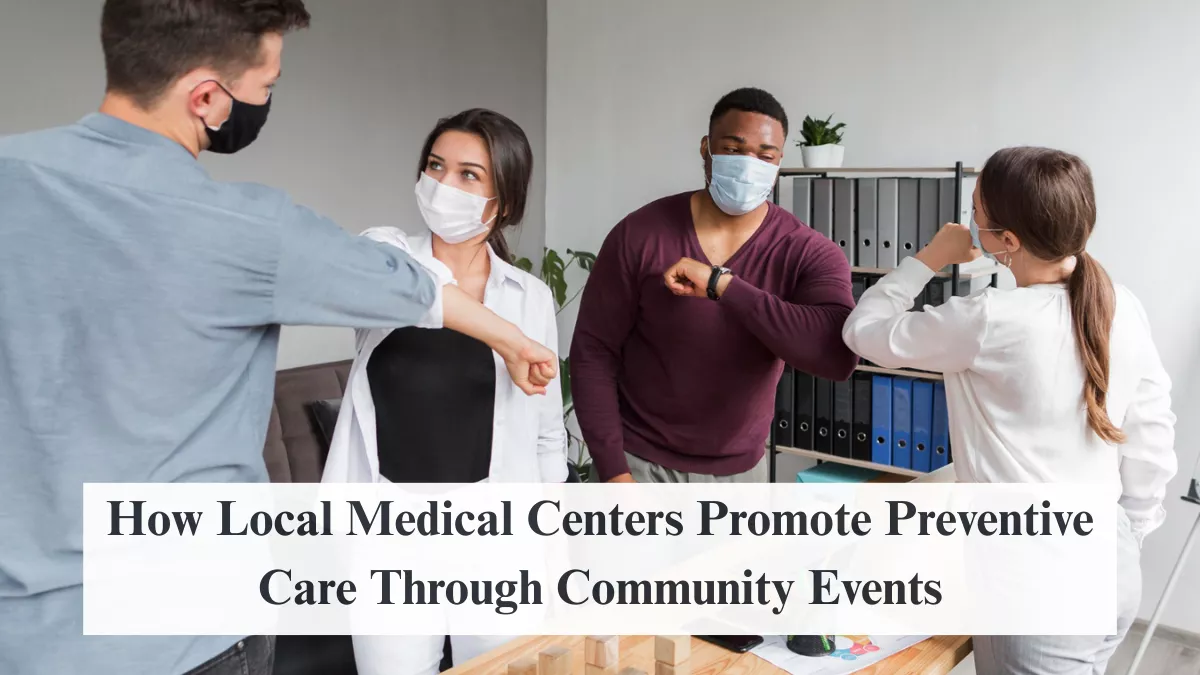
Preventive care is a cornerstone of effective healthcare, focusing on early detection, risk reduction, and the promotion of healthy lifestyles. Local medical centers play a critical role in encouraging preventive care, especially by organizing and participating in community events.
These events provide education, screenings, vaccinations, and wellness resources directly to the public, helping individuals take proactive steps toward maintaining their health. By engaging communities outside traditional clinical settings, medical centers improve awareness, access, and participation in preventive services. Community events also create opportunities for healthcare professionals to connect with residents, build trust, and address social determinants of health. Through this proactive approach, local medical centers reduce the burden of chronic disease, improve early intervention outcomes, and foster healthier communities over the long term.
 How Community Hospitals Are Using AI to Improve Diagnostic Accuracy
Understanding Preventive Care in Community Health
Preventive care encompasses medical practices aimed at preventing illness or detecting conditions at an early stage. These services include routine check-ups, immunizations, screenings for diseases such as cancer and diabetes, lifestyle counseling, and health education. Local medical centers integrate preventive care into everyday practice but extend their reach through community-based programs.
By hosting events such as health fairs, vaccination drives, and wellness workshops, centers make preventive services more accessible to populations who may not regularly visit clinics. This approach not only addresses immediate health concerns but also establishes long-term habits that enhance overall community well-being. Preventive care delivered through community events empowers individuals with knowledge, resources, and support to manage their health proactively.
 The Role of Local Medical Centers in Promoting Heart Health Awareness
Reducing Barriers to Access Through Events
Many individuals face barriers to preventive care, including transportation challenges, financial limitations, lack of awareness, and time constraints. Community events organized by local medical centers help overcome these obstacles by offering services in convenient, accessible locations.
Mobile screening units, pop-up clinics, and local venues such as schools or community centers ensure that preventive care is delivered directly to residents. Free or low-cost services further reduce financial barriers. By bringing care into the community, medical centers increase participation rates, early diagnosis, and timely interventions. Reducing access barriers is particularly impactful for underserved populations who may otherwise miss critical preventive services.
 How Mobile Clinics Are Expanding Healthcare Access in Underserved Areas
Screenings and Early Detection Programs
Screenings are a key component of preventive care, allowing for the early detection of conditions such as hypertension, diabetes, cancer, and heart disease. Local medical centers organize screening events to identify risk factors before they progress into more serious health problems.
Blood pressure checks, cholesterol testing, glucose monitoring, mammograms, and colorectal screenings are commonly offered at these events. By detecting conditions early, medical centers can provide referrals, counseling, and follow-up care, improving patient outcomes and reducing long-term healthcare costs. Community events make it possible to reach individuals who might not otherwise seek regular screenings, creating opportunities for early intervention.
 Why Hospital-Based Exercise Programs Improve Patient Recovery Rates
Vaccination Campaigns and Immunization Drives
Vaccinations are one of the most effective preventive health measures. Local medical centers use community events to promote immunization against influenza, COVID-19, measles, hepatitis, and other preventable diseases. Vaccination drives are often held in accessible community locations, ensuring high participation rates.
Staff educate attendees on vaccine safety, benefits, and schedules, addressing common concerns and myths. Immunization campaigns at community events protect both individuals and populations by increasing herd immunity, preventing outbreaks, and reducing hospitalizations. These initiatives demonstrate the role of medical centers in safeguarding public health through preventive measures.
 How Community Hospitals Are Supporting Nutrition and Lifestyle Education
Health Education and Lifestyle Workshops
Community events offer an opportunity for local medical centers to educate residents on healthy lifestyles. Workshops may cover nutrition, physical activity, stress management, smoking cessation, and chronic disease prevention. Interactive demonstrations, cooking classes, and fitness sessions engage participants and provide practical tools for behavior change.
By equipping individuals with knowledge and skills, medical centers encourage healthier choices that prevent illness over time. Health education delivered in community settings fosters awareness, accountability, and empowerment, leading to sustainable improvements in health outcomes.
Screening for Social Determinants of Health
Preventive care is closely linked to social determinants of health, such as housing, income, education, and access to food. Community events allow local medical centers to screen for these factors and connect residents with appropriate resources. Social workers and case managers may provide referrals for nutrition programs, transportation assistance, housing support, and mental health services.
Addressing social determinants reduces barriers to preventive care, improves adherence to treatment plans, and enhances overall health outcomes. Integrating social support into community events creates a more comprehensive approach to preventive care.
Engaging Diverse Populations Effectively
Community events allow medical centers to reach diverse populations, including ethnic minorities, immigrants, and underserved groups. Culturally competent staff and multilingual resources ensure that health messages are accessible and relevant. Events may include translation services, culturally tailored educational materials, and engagement strategies that respect community values.
By addressing cultural and language barriers, local medical centers foster trust, increase participation in preventive care, and promote equity in healthcare access. Effective engagement strengthens community relationships and encourages long-term healthy behaviors.
Utilizing Mobile Health Units at Community Events
Mobile health units (MHUs) are often deployed during community events to provide on-site preventive services. MHUs are equipped for screenings, vaccinations, laboratory testing, and basic medical care. These units extend the reach of medical centers by serving residents in remote or underserved areas.
Mobile units reduce the need for patients to travel long distances for care, increase convenience, and improve adherence to preventive recommendations. By integrating MHUs into community events, local medical centers enhance accessibility, coverage, and efficiency of preventive care initiatives.
Promoting Chronic Disease Management
Preventive care at community events also addresses chronic disease management. Individuals with conditions such as diabetes, hypertension, or cardiovascular disease can receive education, monitoring, and guidance during events. Medical staff review medications, provide lifestyle counseling, and discuss follow-up care. Early intervention and ongoing education help patients manage their conditions effectively, reducing complications and hospitalizations.
By incorporating chronic disease management into community-based preventive care, local medical centers support long-term health and quality of life.
Collaborating With Schools and Educational Institutions
Local medical centers often partner with schools to promote preventive care among children and adolescents. Events may include vision and hearing screenings, dental check-ups, vaccinations, nutrition education, and physical activity programs. School-based initiatives reach families and provide early intervention opportunities, fostering healthy habits from a young age. Collaboration with educational institutions also supports community-wide awareness of preventive health, establishing a foundation for lifelong wellness.
Workplace Wellness and Community Events
Corporate partnerships and workplace wellness programs are another avenue for preventive care promotion. Local medical centers organize health fairs, screenings, and educational sessions at workplaces.
Employees benefit from convenient access to preventive services, which can reduce absenteeism, improve productivity, and encourage healthier lifestyles. Workplace events often complement broader community initiatives, reinforcing preventive care messages and expanding outreach efforts to diverse populations.
Integrating Technology and Digital Tools
Technology enhances the effectiveness of community events in promoting preventive care. Electronic health records, mobile apps, and telehealth platforms enable medical centers to track participation, follow up with patients, and provide personalized recommendations.
Digital tools can schedule appointments, deliver reminders, and offer educational resources. Technology integration ensures continuity of care and facilitates long-term monitoring of preventive interventions. By leveraging digital platforms, local medical centers maximize the impact of community-based preventive programs.
Fostering Community Partnerships and Engagement
Successful preventive care initiatives rely on collaboration with community organizations, nonprofits, faith-based groups, and local government agencies.
Partnerships expand resources, increase outreach, and enhance credibility within communities. Collaborative events offer holistic services that address medical, social, and educational needs. Engaging community stakeholders ensures that preventive care programs are tailored to local priorities and challenges. Partnerships strengthen community trust, participation, and sustainability of preventive initiatives.
Measuring Impact and Outcomes
Evaluating the effectiveness of community events is essential for continuous improvement. Local medical centers track metrics such as screening completion rates, vaccination coverage, patient satisfaction, follow-up adherence, and health outcomes.
Data collection informs program adjustments, identifies gaps, and demonstrates the value of preventive care initiatives. Measuring outcomes ensures accountability, supports funding opportunities, and guides future event planning. Evidence-based evaluation enhances the overall effectiveness of community preventive programs.
Encouraging Patient Engagement and Empowerment
Community events foster patient engagement by involving individuals in their health decisions and providing personalized guidance. Participants receive education, counseling, and tools to monitor their health.
Engaged patients are more likely to adopt healthy behaviors, attend follow-up appointments, and participate in preventive screenings. Empowerment through knowledge and access strengthens the long-term impact of preventive care initiatives, contributing to sustained improvements in community health.
Addressing Health Disparities
Preventive care delivered through community events helps reduce disparities in healthcare access and outcomes. Local medical centers target vulnerable populations, including low-income, rural, and minority groups, ensuring that preventive services are equitable and inclusive.
By reaching individuals who might otherwise face barriers to care, medical centers reduce inequities, improve health literacy, and promote population-level wellness. Addressing disparities is a fundamental goal of community-based preventive programs.
Promoting Vaccination and Immunization Awareness
Community events serve as platforms for vaccination education and outreach. Local medical centers educate residents on the importance, safety, and benefits of immunizations. Seasonal influenza clinics, childhood vaccination drives, and COVID-19 outreach initiatives provide convenient access to immunizations.
Events allow staff to address concerns, debunk myths, and increase vaccine uptake. By promoting immunization through community engagement, medical centers protect individual and public health while preventing disease outbreaks.
Enhancing Health Literacy and Awareness
Health literacy is critical for effective preventive care. Community events provide opportunities to improve understanding of medical conditions, risk factors, and healthy lifestyle practices.
Educational materials, workshops, and interactive demonstrations enhance knowledge and empower individuals to make informed health decisions. Higher health literacy improves adherence to preventive recommendations, encourages early intervention, and supports long-term wellness. Local medical centers prioritize education as a key component of community-based preventive initiatives.
Supporting Behavioral Health and Wellness
Preventive care includes attention to mental and behavioral health. Community events often provide screenings for stress, depression, anxiety, and substance use disorders. Medical centers offer counseling, resources, and referrals for appropriate care. Wellness programs, mindfulness workshops, and stress management sessions help participants develop coping strategies and resilience. By integrating behavioral health into community preventive events, medical centers support holistic health and improve overall quality of life.
Engaging Families and Caregivers
Community events also target family units, recognizing the role of caregivers in promoting health. Educational sessions, family screenings, and wellness activities involve multiple generations, encouraging healthy behaviors at home.
Engaging families reinforces preventive practices, strengthens social support, and improves adherence to care recommendations. Family-centered approaches increase the effectiveness of preventive initiatives and foster healthier community environments.
Conclusion
Local medical centers play a pivotal role in promoting preventive care through community events. By providing screenings, vaccinations, health education, chronic disease management, and mental health support in accessible community settings, medical centers overcome barriers to care and engage diverse populations. Partnerships with schools, workplaces, community organizations, and public health agencies enhance outreach and effectiveness.
Evaluation, technology integration, and patient engagement ensure continuity of care and measurable outcomes. Community-based preventive care initiatives empower individuals, reduce health disparities, and strengthen population health. Through these programs, local medical centers foster healthier, more informed communities, demonstrating the transformative impact of preventive care delivered beyond clinic walls.