
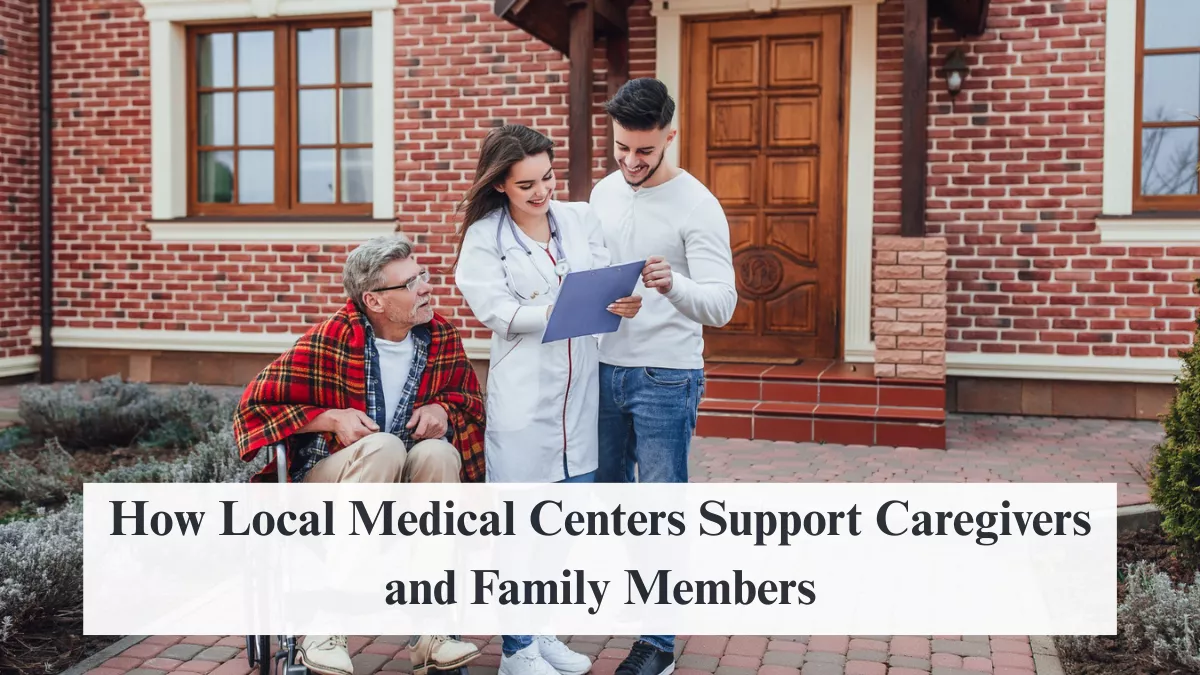
Caregivers and family members play a vital role in the healthcare journey, often providing physical assistance, emotional support, and care coordination for loved ones. Whether supporting an aging parent, a child with chronic illness, or a recovering patient, caregivers frequently act as extensions of the healthcare system. Local medical centers recognize that patient outcomes are closely tied to caregiver well-being, understanding, and involvement.
By offering structured support, education, and resources, these centers help caregivers manage responsibilities more effectively while reducing stress and burnout. Supporting caregivers is no longer viewed as optional but as a necessary component of high-quality, patient-centered care. Through dedicated programs and collaborative approaches, local medical centers strengthen families and improve healthcare experiences for entire communities.

Recognizing Caregivers as Part of the Care Team
Local medical centers increasingly recognize caregivers as essential members of the healthcare team. Family members often provide critical insights into patient history, behavior changes, and daily needs. By formally involving caregivers in care planning discussions, medical centers improve communication and decision-making. Caregivers are invited to attend appointments, participate in rounds, and receive updates on treatment progress. This inclusion helps align care goals and reduces misunderstandings. When caregivers feel acknowledged and informed, they are better prepared to support recovery and long-term health management. Recognizing caregivers as partners fosters collaboration and trust between families and healthcare providers.
Providing Education and Training for Caregivers
Education is one of the most important ways local medical centers support caregivers. Hospitals and clinics offer training sessions on medication management, wound care, mobility assistance, and symptom monitoring. Instruction is often provided through demonstrations, written materials, and digital resources tailored to caregiver needs. Teaching caregivers how to safely perform care tasks reduces errors and builds confidence. Medical centers also educate caregivers about disease progression and expected challenges, helping them prepare emotionally and practically. Comprehensive education empowers caregivers to provide effective support while protecting patient safety and caregiver well-being.

Supporting Caregivers During Hospitalization
Hospitalization can be stressful for both patients and families. Local medical centers support caregivers by providing clear communication, designated family liaisons, and flexible visiting policies. Caregivers receive updates on treatment plans and are encouraged to ask questions. Many hospitals offer family resource centers where caregivers can rest, access information, or speak with social workers. Emotional support services help caregivers cope with anxiety and uncertainty. By creating welcoming environments and open communication channels, medical centers reduce caregiver stress and promote collaborative care during hospital stays.
Assisting With Care Transitions
Transitions from hospital to home or other care settings are challenging for caregivers. Local medical centers assist by providing discharge education, written care plans, and follow-up coordination. Caregivers are taught how to manage medications, schedule appointments, and recognize warning signs. Case managers and discharge planners ensure caregivers understand next steps and available resources. Support during transitions reduces confusion and prevents complications or readmissions. By preparing caregivers thoroughly, medical centers promote smoother transitions and safer recovery at home.
Offering Emotional and Mental Health Support
Caregiving can take a significant emotional toll. Local medical centers address this by offering counseling services, support groups, and stress management resources for caregivers. Mental health professionals help caregivers process emotions, manage anxiety, and prevent burnout. Support groups provide opportunities to connect with others facing similar challenges, fostering shared understanding and resilience. Recognizing caregiver mental health as essential ensures sustainable care for patients and healthier outcomes for families. Emotional support services demonstrate a holistic approach to healthcare that values both patients and caregivers.
Providing Access to Social Work Services
Social workers play a critical role in supporting caregivers within local medical centers. They assess family needs, identify barriers, and connect caregivers with community resources. Social workers assist with housing concerns, financial assistance, transportation, and legal planning. They also help caregivers navigate complex systems such as insurance and long-term care services. By addressing social determinants of health, social work services reduce caregiver burden and improve stability. This comprehensive support enables caregivers to focus more effectively on providing care.
Helping Caregivers Navigate Insurance and Financial Challenges
Financial strain is a common concern for caregivers managing medical expenses and time away from work. Local medical centers offer financial counseling to help families understand insurance coverage, billing, and payment options. Caregivers receive assistance applying for benefits, subsidies, or charitable programs. Clear explanations reduce confusion and anxiety around healthcare costs. Financial support services help caregivers make informed decisions and avoid unnecessary stress. By addressing financial challenges, medical centers create more accessible and equitable care environments.
Providing Respite Care Resources
Continuous caregiving can lead to exhaustion. Local medical centers support caregivers by connecting them with respite care services that provide temporary relief. These services may include in-home care, adult day programs, or short-term facility stays. Caregivers are encouraged to prioritize their own health and rest. Access to respite care prevents burnout and allows caregivers to maintain balance. Medical centers play an important role in educating families about respite options and facilitating access when needed.

Supporting Caregivers of Chronic and Complex Conditions
Caregivers supporting individuals with chronic or complex conditions face ongoing challenges. Local medical centers provide specialized programs tailored to conditions such as dementia, cancer, and developmental disabilities. These programs offer education, care coordination, and long-term planning support. Caregivers receive guidance on managing symptoms, adjusting care strategies, and accessing specialized services. Ongoing support improves patient quality of life and reduces caregiver stress. Medical centers that address chronic care needs demonstrate commitment to sustained family support.
Engaging Caregivers in Care Planning and Decision-Making
Involving caregivers in care planning ensures that decisions reflect patient preferences and practical realities. Local medical centers encourage shared decision-making by including caregivers in discussions about treatment options and goals of care. Clear communication helps families understand risks, benefits, and expectations. Caregiver input contributes valuable perspectives on patient values and daily routines. Engaged caregivers help ensure that care plans are realistic and aligned with patient needs. This collaborative approach strengthens trust and improves outcomes.
Offering Caregiver Education on Self-Care
Caregiver well-being directly affects the quality of care they provide. Local medical centers educate caregivers on self-care strategies, including stress management, nutrition, and sleep. Workshops and counseling sessions emphasize the importance of maintaining personal health. Caregivers learn to recognize signs of burnout and seek help early. Encouraging self-care promotes resilience and long-term caregiving capacity. Medical centers that prioritize caregiver health acknowledge the interconnected nature of patient and family well-being.
Providing Communication Tools and Resources
Effective communication is essential for caregivers coordinating care across providers and settings. Local medical centers offer tools such as care notebooks, digital portals, and contact lists to streamline communication. Caregivers are taught how to document symptoms, track medications, and share information with healthcare teams. These tools improve organization and reduce errors. Clear communication resources empower caregivers to advocate effectively and ensure continuity of care.
Supporting Caregivers Through End-of-Life Care
End-of-life care presents unique emotional and practical challenges for caregivers. Local medical centers provide palliative care services, hospice referrals, and grief counseling. Caregivers receive guidance on symptom management, comfort measures, and advance care planning. Emotional support helps families cope with loss and decision-making. Compassionate end-of-life care honors patient dignity while supporting caregivers through difficult transitions. Medical centers play a crucial role in ensuring respectful and supportive experiences during this time.
Cultural Sensitivity and Inclusive Support
Caregivers come from diverse cultural and social backgrounds. Local medical centers provide culturally sensitive support that respects beliefs, values, and traditions. Language services, culturally appropriate materials, and inclusive practices ensure accessibility. Understanding cultural perspectives helps providers communicate effectively and build trust. Inclusive caregiver support promotes equity and improves engagement across diverse communities. Cultural sensitivity strengthens relationships and enhances care experiences for families.
Leveraging Technology to Support Caregivers
Technology has expanded caregiver support options. Local medical centers use telehealth, mobile apps, and online education platforms to provide guidance and follow-up. Caregivers can access resources remotely, reducing travel and time burdens. Digital tools offer reminders, educational videos, and virtual consultations. Technology enhances convenience while maintaining connection to healthcare teams. Integrating technology supports caregivers in managing responsibilities more efficiently.
Collaborating With Community Organizations
Local medical centers partner with community organizations to extend caregiver support beyond clinical settings. Partnerships include nonprofit groups, faith-based organizations, and local agencies. These collaborations provide additional resources such as transportation, meal services, and caregiver training. Community engagement strengthens support networks and addresses broader needs. By working together, medical centers and community partners create comprehensive support systems for caregivers.
Measuring Caregiver Support Outcomes
Evaluating caregiver support programs helps medical centers improve services. Feedback surveys, outcome measures, and utilization data provide insights into effectiveness. Metrics may include caregiver satisfaction, stress levels, and patient outcomes. Continuous evaluation ensures programs remain responsive and impactful. Measuring outcomes demonstrates commitment to quality improvement and accountability.
Challenges in Supporting Caregivers
Despite best efforts, challenges remain in caregiver support. Limited resources, time constraints, and varying caregiver needs can complicate service delivery. Medical centers must balance patient care demands with family support. Clear communication, flexible programs, and leadership commitment help address challenges. Recognizing and adapting to caregiver diversity is essential for effective support.
Future Directions in Caregiver Support
The future of caregiver support will involve expanded services, personalized approaches, and greater integration into healthcare systems. Medical centers will increasingly use data to identify caregiver needs early. Policy changes and funding initiatives may enhance caregiver resources. Continued innovation will strengthen family-centered care models. Supporting caregivers will remain a priority as populations age and care complexity increases.
Conclusion
Local medical centers play a crucial role in supporting caregivers and family members through education, emotional support, care coordination, and resource connection. By recognizing caregivers as partners, addressing practical and emotional needs, and fostering collaboration, medical centers improve outcomes for patients and families alike. Comprehensive caregiver support reduces stress, enhances confidence, and promotes sustainable care. As healthcare systems evolve, strengthening caregiver support will remain essential to delivering compassionate, effective, and patient-centered care.