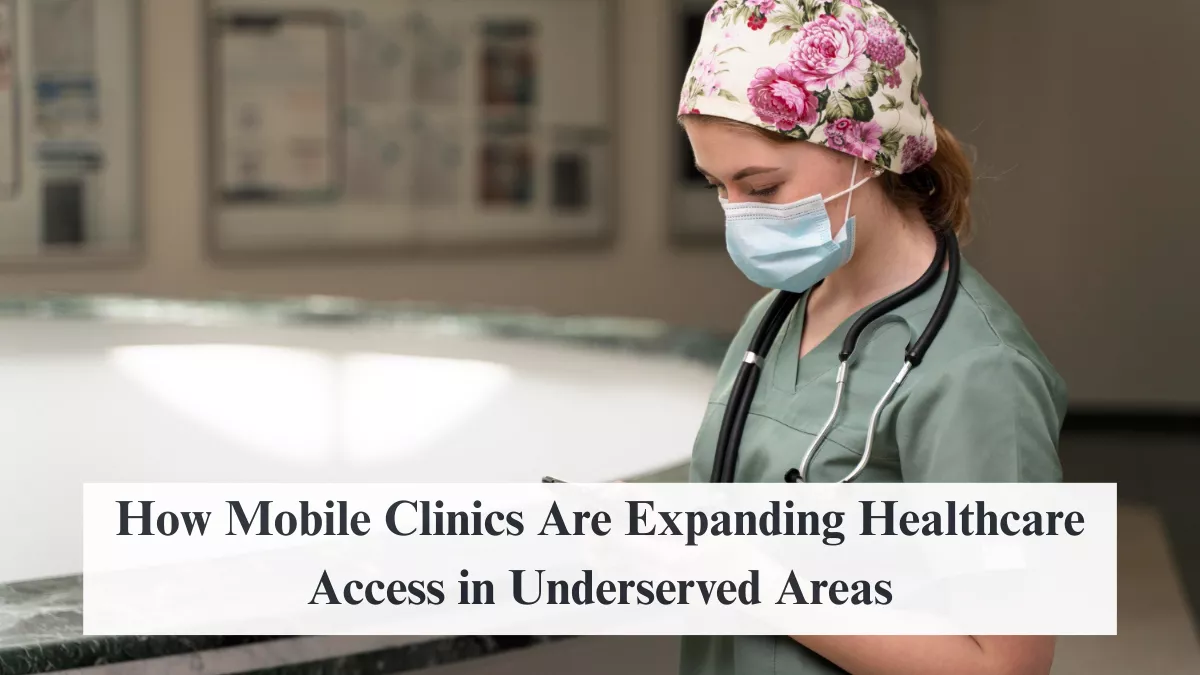
Access to quality healthcare remains a challenge in many underserved areas around the world. Rural communities, low-income neighborhoods, and remote regions often face shortages of medical facilities, specialists, and essential services. Mobile clinics have emerged as an innovative solution to bridge these gaps by bringing healthcare directly to populations in need.
These clinics operate as fully equipped, transportable medical units, providing preventive care, screenings, treatments, and education. By eliminating geographic and financial barriers, mobile clinics expand healthcare access, promote equity, and improve overall community health.
 How Community Hospitals Are Using AI to Improve Diagnostic Accuracy
Understanding the Concept of Mobile Clinics
Mobile clinics are healthcare units that travel to underserved or hard-to-reach areas to deliver medical services. They can be vans, buses, or trucks equipped with diagnostic tools, treatment facilities, and telehealth capabilities. Mobile clinics offer a variety of services, including primary care, vaccinations, maternal and child health, dental care, mental health support, and chronic disease management.
Their flexible design allows healthcare providers to respond to community needs effectively, reaching populations who might otherwise go without care.
 The Role of Local Medical Centers in Promoting Heart Health Awareness
Overcoming Geographic Barriers
Geography is a major barrier to healthcare in rural and remote regions. Residents often travel long distances to reach hospitals or clinics, facing transportation costs and time constraints. Mobile clinics overcome this challenge by bringing healthcare services directly to the community.
By setting up in schools, community centers, or public spaces, mobile clinics reduce travel burdens, ensure timely care, and encourage preventive screenings. This approach helps identify health issues early and prevents complications that could result from delayed treatment.
 Why Hospital-Based Exercise Programs Improve Patient Recovery Rates
Reducing Financial Barriers to Care
Many individuals in underserved areas struggle with the cost of healthcare, including consultation fees, diagnostic tests, and medications. Mobile clinics often provide low-cost or free services, supported by government programs, nonprofit organizations, and community partnerships.
By minimizing financial barriers, mobile clinics ensure that vulnerable populations can access essential medical care. This approach not only improves individual health but also reduces the long-term economic burden associated with untreated illnesses.
 How Community Hospitals Are Supporting Nutrition and Lifestyle Education
Providing Preventive Care and Screenings
Preventive care is crucial for reducing the prevalence and severity of chronic diseases. Mobile clinics offer screenings for diabetes, hypertension, cholesterol, cancer, and infectious diseases. Early detection through regular screenings allows healthcare providers to initiate interventions before conditions become severe. Education on lifestyle changes, nutrition, exercise, and smoking cessation complements screening services, equipping communities with the knowledge to prevent health issues proactively.
Chronic Disease Management
Chronic diseases such as diabetes, hypertension, and heart disease disproportionately affect underserved populations. Mobile clinics support chronic disease management by providing regular monitoring, medication management, and patient education. Follow-up visits and telehealth support ensure that patients adhere to treatment plans, preventing complications and hospitalizations. By offering consistent care, mobile clinics reduce the disparities in chronic disease outcomes between urban and rural populations.
 How Local Hospitals Are Integrating Virtual Reality for Patient Therapy
Maternal and Child Health Services
Maternal and child health is a key focus for mobile clinics. Services include prenatal care, postnatal checkups, vaccinations, nutritional counseling, and growth monitoring for children. These clinics ensure that mothers and infants in underserved areas receive essential care, reducing maternal and infant mortality rates. Mobile clinics also provide education on family planning, breastfeeding, and child development, promoting long-term health and well-being.
Mental Health and Behavioral Health Support
Mental health services are often limited in underserved communities. Mobile clinics expand access to counseling, therapy, and psychiatric care, addressing issues such as depression, anxiety, and substance abuse. Telepsychiatry allows mental health professionals to connect with patients remotely, providing timely support and interventions. Integrating behavioral health services into mobile clinics promotes holistic care and addresses the often-overlooked psychological aspects of health.
Vaccination Campaigns and Infectious Disease Control
Mobile clinics play a critical role in public health by facilitating vaccination campaigns and controlling infectious diseases. They provide immunizations for children, adults, and high-risk populations, helping to prevent outbreaks of diseases such as influenza, measles, and COVID-19. By reaching remote and underserved populations, mobile clinics ensure higher vaccination coverage, reduce disease transmission, and support community-wide immunity.
Telemedicine Integration in Mobile Clinics
Telemedicine has revolutionized the capabilities of mobile clinics. With internet connectivity and digital tools, healthcare providers can consult specialists, access patient records, and perform virtual examinations. Telemedicine extends the scope of mobile clinics beyond basic services, enabling the diagnosis and management of complex conditions. Patients benefit from expert care without traveling long distances, while providers can make informed decisions using digital data and imaging.
Building Trust Within Communities
Successful mobile clinics rely on building trust within the communities they serve. Healthcare providers must engage respectfully, consider cultural norms, and maintain consistent presence. Trust encourages patients to seek care, follow medical advice, and participate in preventive programs.
Community health workers often accompany mobile clinics to facilitate communication, education, and patient follow-up, strengthening relationships and improving health outcomes.
Emergency and Disaster Response
Mobile clinics are invaluable during emergencies and natural disasters. They can be rapidly deployed to provide medical care, triage, vaccinations, and first aid to affected populations.
In areas where local healthcare infrastructure is damaged or overwhelmed, mobile clinics ensure continuity of care. Disaster preparedness and rapid response capabilities make mobile clinics an essential component of public health planning.
Collaboration With Local Organizations
Community partnerships enhance the effectiveness of mobile clinics. Local medical centers collaborate with schools, faith-based organizations, nonprofits, and public health agencies to identify needs, organize outreach events, and mobilize resources. Collaborative approaches increase program reach, ensure sustainability, and enhance community engagement. By leveraging local networks, mobile clinics maximize impact and ensure services are culturally sensitive and appropriate.
Patient Education and Health Literacy
Mobile clinics prioritize patient education to improve health literacy. Educational initiatives include counseling on chronic disease management, nutrition, hygiene, sexual health, and preventive care. By empowering patients with knowledge, mobile clinics encourage informed decision-making, healthier lifestyles, and proactive participation in care. Improved health literacy reduces preventable illnesses, enhances treatment adherence, and supports long-term wellness.
Overcoming Staffing Challenges
Underserved areas often face shortages of healthcare professionals. Mobile clinics address this by employing a mix of full-time staff, traveling specialists, volunteer clinicians, and telehealth-supported providers. Flexible staffing models allow clinics to offer a wide range of services while optimizing resources. Training local community health workers also ensures continuity and strengthens local capacity for healthcare delivery.
Monitoring Outcomes and Measuring Impact
Evaluating the effectiveness of mobile clinics is essential for continuous improvement. Metrics such as patient volume, preventive screenings, vaccination rates, chronic disease management outcomes, and patient satisfaction provide insights into program impact. Data collection enables clinics to refine services, target high-risk populations, and demonstrate value to funders and community stakeholders. Measuring outcomes ensures that mobile clinics deliver meaningful, measurable health benefits.
Addressing Health Disparities
Mobile clinics are instrumental in reducing health disparities by providing equitable access to care. Underserved communities often experience higher rates of chronic disease, lower preventive care utilization, and delayed treatment. By bringing healthcare directly to these populations, mobile clinics close gaps in access, improve early detection, and promote health equity.
Ensuring that vulnerable populations receive appropriate care enhances community-wide health outcomes.
Cost-Effectiveness and Resource Optimization
Mobile clinics provide cost-effective healthcare solutions. By reducing hospital admissions, preventing complications, and minimizing travel costs for patients, mobile clinics optimize healthcare spending. They also allow healthcare systems to allocate resources efficiently, targeting services where they are most needed. Cost-effectiveness ensures sustainability and encourages continued investment in mobile healthcare initiatives.
Innovative Programs and Specialized Services
Many mobile clinics offer specialized programs to address unique community needs. Examples include diabetes management units, dental care vans, maternal health buses, and mental health mobile units. These specialized services target specific health challenges, ensuring comprehensive care for underserved populations. By customizing services, mobile clinics improve outcomes and address gaps in conventional healthcare infrastructure.
Community Engagement and Feedback Mechanisms
Successful mobile clinics actively engage communities to identify needs, solicit feedback, and adapt services. Patient advisory boards, surveys, and focus groups inform service design, scheduling, and outreach strategies. Community engagement ensures that services are relevant, culturally appropriate, and responsive to evolving health challenges. Feedback mechanisms also promote accountability and strengthen trust between clinics and the populations they serve.
Public Health Research and Data Collection
Mobile clinics contribute to public health research by collecting valuable epidemiological data. Information on disease prevalence, vaccination coverage, lifestyle factors, and healthcare utilization helps inform policy decisions, resource allocation, and targeted interventions.
Research conducted through mobile clinics enhances understanding of health disparities, supports evidence-based practices, and drives innovation in healthcare delivery.
Expanding Reach Through Technology
Advanced technologies enhance the efficiency and reach of mobile clinics. Electronic health records, portable diagnostic equipment, telehealth platforms, and mobile apps allow clinics to provide accurate, timely care in diverse settings. Technology enables better tracking of patient history, treatment adherence, and outcomes. It also supports remote consultations, real-time decision-making, and integration with larger healthcare networks.
Sustainability and Funding
Sustaining mobile clinic programs requires stable funding and resource planning. Many clinics rely on a combination of government support, nonprofit funding, grants, and community donations. Partnerships with local businesses, philanthropic organizations, and healthcare networks ensure continued operations. Sustainable funding models allow mobile clinics to maintain service quality, expand coverage, and adapt to emerging health needs.
Addressing Cultural and Language Barriers
Effective healthcare delivery requires sensitivity to cultural and linguistic differences. Mobile clinics employ bilingual staff, culturally competent educators, and community health workers to bridge gaps in communication and understanding. Tailoring health messages to local customs and beliefs enhances patient engagement, increases adherence, and ensures equitable access to care.
Long-Term Impact on Community Health
Mobile clinics have a lasting impact on community health by improving access, promoting prevention, and reducing health disparities. Regular screenings, chronic disease management, vaccination campaigns, and educational initiatives lead to healthier populations, reduced emergency care utilization, and improved quality of life. Over time, mobile clinics contribute to stronger, more resilient communities capable of addressing emerging health challenges.
Conclusion: Expanding Access and Equity Through Mobile Clinics
Mobile clinics are transforming healthcare delivery in underserved areas by removing barriers to access, providing comprehensive services, and promoting community health awareness. Through preventive care, chronic disease management, maternal and child health support, mental health services, and telehealth integration, these clinics ensure that vulnerable populations receive timely, quality care.
By fostering trust, collaboration, and engagement, mobile clinics bridge healthcare gaps, enhance equity, and improve long-term health outcomes. As healthcare systems evolve, mobile clinics will continue to play a pivotal role in expanding access, supporting public health, and building healthier communities worldwide.