
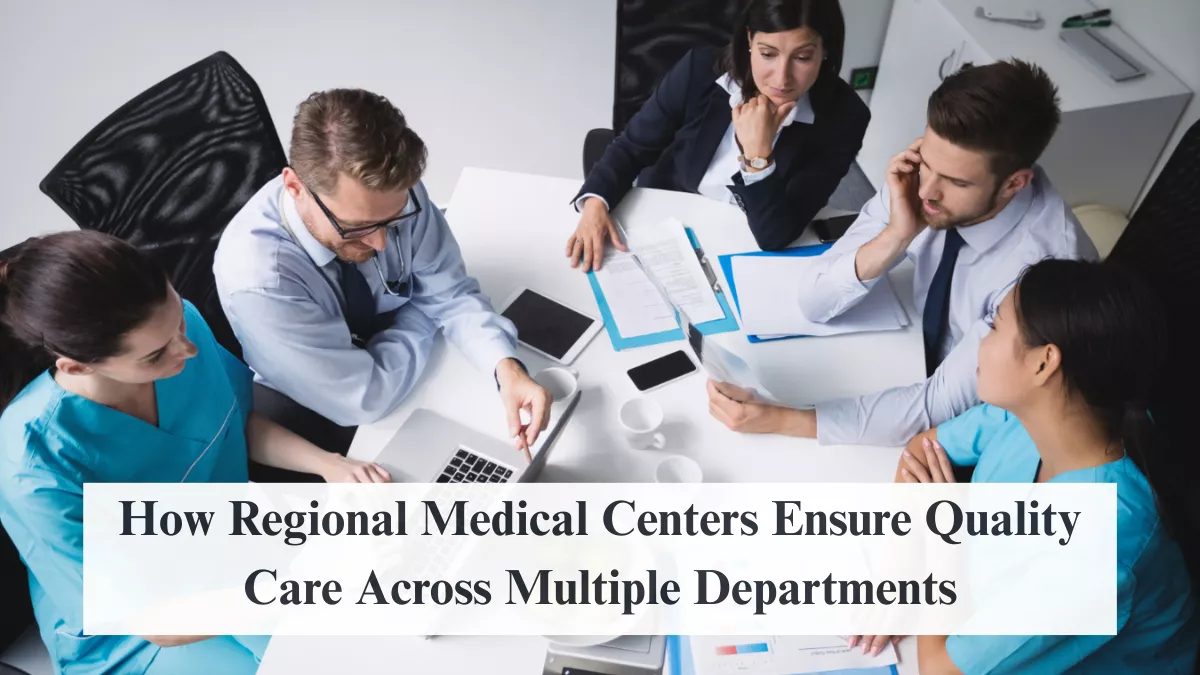
Regional medical centers play a critical role in modern healthcare by delivering a wide range of medical services under one organizational structure. Unlike smaller facilities, these centers manage multiple departments such as emergency care, surgery, cardiology, oncology, diagnostics, and rehabilitation simultaneously. Ensuring consistent quality across all departments is both a responsibility and a challenge.
Patients expect seamless, safe, and effective care regardless of which department they visit. To meet this expectation, regional medical centers rely on standardized protocols, interdisciplinary collaboration, leadership oversight, continuous training, and advanced technology. Quality care is not achieved by individual departments working in isolation but through coordinated systems that align goals, processes, and outcomes. By integrating clinical standards with organizational strategies, regional medical centers maintain high-quality care across diverse specialties while meeting the complex needs of their patient populations.


Establishing Unified Quality Standards
Unified quality standards provide a foundation for consistent care across departments. Regional medical centers develop evidence-based guidelines that define best practices for diagnosis, treatment, safety, and patient communication. These standards ensure that every department operates under the same expectations for quality and accountability.
Leadership teams work closely with clinical experts to update protocols based on emerging research and regulatory requirements. Standardized benchmarks allow performance to be measured objectively and compared across departments. When quality standards are clearly defined and consistently applied, variability in care is reduced. Patients benefit from predictable, reliable services regardless of which department delivers care.

Leadership Oversight and Governance Structures
Strong leadership is essential for maintaining quality across multiple departments. Regional medical centers establish governance structures that include executive leadership, department heads, and quality committees. These groups oversee performance metrics, address safety concerns, and ensure alignment with organizational goals.
Leaders promote a culture of accountability by setting expectations and supporting improvement initiatives. Regular leadership reviews allow emerging issues to be identified and addressed promptly. Effective governance ensures that quality remains a shared priority rather than a departmental responsibility alone.

Interdepartmental Communication and Collaboration
Quality care depends heavily on communication between departments. Patients often move through several units during their care journey, making coordination essential. Regional medical centers use structured communication tools, multidisciplinary meetings, and shared documentation systems to ensure continuity.
Collaboration between departments such as emergency, radiology, surgery, and inpatient care reduces delays and errors. Clear communication supports timely decision-making and improves patient outcomes. When departments work together rather than independently, care becomes more cohesive and efficient.
Standardized Clinical Pathways
Clinical pathways guide patient care from admission through discharge. Regional medical centers design standardized pathways for common conditions and procedures to ensure consistent treatment regardless of department involvement. These pathways outline diagnostic steps, treatment milestones, and follow-up care.
Standardization reduces unnecessary variation and supports evidence-based practice. Departments follow coordinated plans that align patient care goals across specialties. Clinical pathways improve efficiency, safety, and outcomes while supporting collaboration among healthcare professionals.

Continuous Staff Training and Education
Ongoing education is vital for maintaining quality across departments. Regional medical centers invest in training programs that keep staff informed about best practices, safety protocols, and new technologies. Education initiatives include orientation programs, continuing education, and interdisciplinary training sessions.
Consistent training ensures that staff across departments share the same knowledge base and standards. Well-trained professionals are better equipped to deliver high-quality care, adapt to change, and collaborate effectively.
Quality Measurement and Performance Monitoring
Measuring quality allows medical centers to identify strengths and address weaknesses. Regional facilities track key performance indicators such as patient outcomes, infection rates, readmissions, and satisfaction scores. Data is collected consistently across departments and reviewed regularly.
Performance monitoring enables leaders to identify trends and implement corrective actions. Transparent reporting encourages accountability and continuous improvement. Quality measurement transforms care improvement from assumption to evidence-based practice.
Patient Safety Programs and Risk Management
Patient safety is a core component of quality care. Regional medical centers implement comprehensive safety programs that span all departments. These programs include incident reporting systems, safety audits, and root cause analysis of adverse events. Staff are encouraged to report concerns without fear of punishment.
Proactive risk management identifies potential hazards before harm occurs. A shared focus on safety ensures that all departments contribute to protecting patients from preventable harm.
Integrated Health Information Systems
Technology plays a vital role in coordinating care across departments. Integrated electronic health records allow patient information to be shared in real time.
Clinicians across departments can access test results, medication lists, and treatment plans instantly. This integration reduces duplication, prevents errors, and supports informed decision-making. Technology ensures continuity of care even as patients move between departments. Unified systems strengthen coordination and enhance care quality.
Interdisciplinary Care Teams
Regional medical centers rely on interdisciplinary teams to manage complex patient needs. These teams include physicians, nurses, therapists, pharmacists, and social workers from multiple departments.
Collaborative care planning ensures that treatment addresses medical, functional, and social factors. Interdisciplinary teamwork reduces gaps in care and improves outcomes. Patients benefit from holistic approaches that consider all aspects of health rather than isolated conditions.
Standardized Documentation Practices
Clear documentation supports quality and safety across departments. Regional medical centers establish standardized documentation requirements to ensure accuracy and consistency.
Uniform documentation improves communication, supports legal compliance, and facilitates data analysis. Consistent records help providers understand patient histories quickly. Standardization reduces misinterpretation and supports coordinated care delivery.
Patient-Centered Care Models
Patient-centered care places individuals at the heart of healthcare delivery. Regional medical centers adopt models that prioritize patient preferences, values, and involvement.
Care plans are developed collaboratively, ensuring patients understand and participate in decisions. Patient-centered approaches improve satisfaction, adherence, and outcomes. When all departments align around patient-centered principles, care becomes more responsive and respectful.
Managing Care Transitions Effectively
Transitions between departments are high-risk moments for errors. Regional medical centers implement structured handoff processes to ensure accurate information transfer. Clear discharge planning and follow-up coordination reduce readmissions. Effective transition management supports continuity and safety. Patients experience smoother care journeys when departments communicate effectively during transitions.
Infection Prevention and Control Programs
Preventing infections requires coordinated efforts across all departments. Regional medical centers implement standardized infection control protocols, including hand hygiene, sterilization, and isolation procedures. Surveillance systems track infection rates and identify trends. Education reinforces compliance among staff. Coordinated infection prevention protects patients and staff while maintaining high standards of care.
Ensuring Consistent Patient Experience
Quality care includes the patient experience. Regional medical centers standardize service expectations such as communication, responsiveness, and respect. Patient feedback is collected and analyzed across departments. Consistency in experience builds trust and satisfaction. Aligning service standards ensures that patients feel valued regardless of where they receive care.
Supporting Ethical and Regulatory Compliance
Compliance with ethical standards and regulations ensures safe and lawful care. Regional medical centers establish compliance programs that apply across departments. Training reinforces ethical decision-making and regulatory awareness. Consistent compliance protects patients and maintains institutional integrity. Shared responsibility ensures accountability throughout the organization.
Resource Allocation and Operational Efficiency
Efficient resource use supports quality care. Regional medical centers analyze patient flow, staffing levels, and equipment utilization. Balanced allocation ensures departments have the resources needed to deliver safe care. Operational efficiency reduces delays and improves access. Coordinated planning supports sustainability and consistent service quality.
Encouraging a Culture of Continuous Improvement
A culture of improvement drives long-term quality. Regional medical centers encourage staff to identify opportunities for enhancement. Improvement initiatives are supported through data, training, and leadership engagement. Continuous improvement ensures care evolves with changing needs and evidence. Shared commitment strengthens organizational performance.
Addressing Variability in Departmental Practices
Variability can undermine quality if unmanaged. Regional medical centers identify and address unwarranted differences in care practices. Standardization reduces risk while allowing flexibility for clinical judgment. Balanced approaches ensure consistency without compromising individualized care. Managing variability strengthens overall quality.
Patient Feedback and Engagement Strategies
Patient input provides valuable insights into care quality. Regional medical centers use surveys, focus groups, and advisory councils to gather feedback. Departments use this information to improve services. Engaging patients fosters transparency and trust. Feedback-driven improvements align care with patient expectations.
Supporting Workforce Wellbeing
Staff wellbeing directly affects care quality. Regional medical centers implement programs to reduce burnout and promote resilience. Supportive work environments enhance performance and retention. Healthy staff are better equipped to deliver compassionate, high-quality care. Workforce wellbeing is an organizational priority.
Coordinating Specialty and Support Services
Specialty services rely on effective support departments such as laboratories and imaging. Regional medical centers coordinate scheduling and communication to reduce delays. Integrated support enhances diagnostic accuracy and treatment planning. Coordination ensures smooth service delivery across departments.
Managing Complex Patient Populations
Regional medical centers often serve patients with complex needs. Coordinated care plans address multiple conditions simultaneously. Multidepartment collaboration ensures comprehensive treatment. Effective management improves outcomes for high-risk populations. Complexity is addressed through structured systems.
Adapting to Healthcare Innovation
Innovation introduces new opportunities and challenges. Regional medical centers evaluate and integrate new technologies carefully. Training ensures staff competency. Adaptation supports continuous advancement while maintaining safety. Innovation strengthens long-term care quality.
Conclusion: Sustaining Quality Across Departments
Ensuring quality care across multiple departments requires coordination, leadership, and commitment. Regional medical centers achieve this through standardized practices, collaboration, technology, and continuous improvement. By aligning departments around shared goals and patient-centered values, these centers deliver reliable, safe, and effective care. Quality becomes an organizational culture rather than a departmental task.
Through integrated systems and dedicated professionals, regional medical centers sustain excellence while meeting the evolving healthcare needs of their communities.