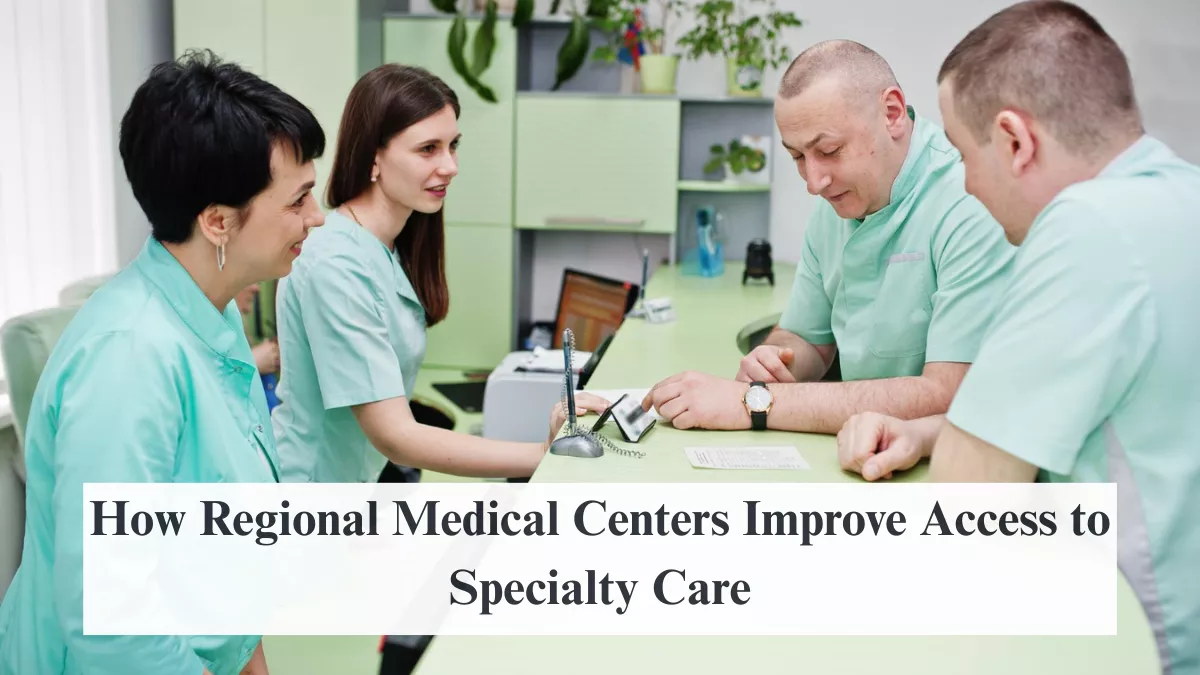
Access to specialty medical care is a critical factor in improving health outcomes, particularly for patients with complex or chronic conditions. Many individuals face barriers such as long travel distances, long wait times, and limited availability of specialists, especially in rural or underserved areas.
Regional medical centers play a pivotal role in bridging this gap, offering advanced medical services and specialized expertise within a centralized facility. These centers provide comprehensive care that includes diagnostic services, surgical procedures, outpatient clinics, and follow-up care for complex conditions.
 How Community Hospitals Are Using AI to Improve Diagnostic Accuracy
By concentrating resources, technology, and highly trained staff, regional medical centers make specialty care more accessible, timely, and effective. Their presence ensures that patients can receive high-quality treatment close to home while reducing the burden of traveling to distant metropolitan hospitals. This approach enhances overall healthcare efficiency and promotes equitable access to essential medical services.
Expanding Availability of Specialty Services
Regional medical centers significantly expand the availability of specialty services, providing care in areas such as cardiology, oncology, orthopedics, neurology, and endocrinology. Many smaller hospitals and community clinics lack the equipment or personnel necessary to treat complex conditions, making regional centers indispensable. By concentrating specialists and advanced medical technology, these centers can handle a high volume of cases efficiently. They often offer outpatient specialty clinics, surgical units, and diagnostic imaging services that reduce delays in care.
 The Role of Local Medical Centers in Promoting Heart Health Awareness
Patients benefit from streamlined referrals, shorter wait times, and coordinated care plans tailored to their specific needs. Additionally, regional centers facilitate multidisciplinary consultations, allowing specialists to collaborate on complex cases. By centralizing specialty services, regional medical centers improve patient access while maintaining high standards of care, ensuring that advanced treatments are available to communities that might otherwise face significant healthcare gaps.
Integration with Community Healthcare Providers
A key advantage of regional medical centers is their ability to integrate with local healthcare providers. Primary care physicians, community clinics, and smaller hospitals often refer patients to regional centers for specialized services. This integration ensures continuity of care, as patient information, medical history, and treatment plans are shared across providers. Electronic health records (EHRs) play a crucial role in enabling this collaboration, allowing specialists to access comprehensive patient data in real-time.
 How Mobile Clinics Are Expanding Healthcare Access in Underserved Areas
Regional centers also provide training and consultation for local providers, enhancing their capacity to manage conditions locally whenever possible. By creating a networked approach, regional medical centers reduce redundancies, minimize delays in treatment, and ensure patients receive timely, coordinated care. This collaborative model strengthens the overall healthcare ecosystem and improves outcomes for patients requiring specialized attention.
Telemedicine and Remote Specialty Consultations
Telemedicine has become an essential tool for regional medical centers to expand access to specialty care. Remote consultations allow patients in rural or underserved areas to connect with specialists without the need for extensive travel. Telehealth platforms support real-time video appointments, digital diagnostic data sharing, and virtual follow-ups, increasing convenience for both patients and providers.
 Why Hospital-Based Exercise Programs Improve Patient Recovery Rates
Regional centers often use telemedicine to provide specialized care in cardiology, dermatology, mental health, and endocrinology, among other fields. Remote consultations also enable local physicians to collaborate with specialists, enhancing treatment planning and patient outcomes. Telemedicine reduces geographic disparities in healthcare access, ensures timely interventions, and supports ongoing monitoring of chronic conditions. By leveraging technology, regional medical centers extend their reach beyond physical boundaries, making specialty care accessible to a broader population and improving healthcare equity across regions.
Advanced Diagnostic and Treatment Facilities
Regional medical centers are equipped with advanced diagnostic tools and treatment facilities that smaller hospitals may not offer. These include MRI and CT scanners, cardiac catheterization labs, robotic surgical systems, and advanced laboratory services. Access to such technology enables accurate diagnosis, precise treatment planning, and effective monitoring of complex conditions.
 How Community Hospitals Are Supporting Nutrition and Lifestyle Education
Specialized imaging and lab capabilities are critical for conditions like cancer, neurological disorders, and cardiovascular diseases, where early detection and targeted interventions improve outcomes. Regional centers often combine diagnostic services with treatment planning and follow-up care, creating a seamless experience for patients.
The availability of advanced facilities locally reduces the need for patients to travel to distant urban hospitals, enhancing convenience and improving adherence to care plans. By concentrating these resources, regional medical centers ensure that patients receive high-quality, state-of-the-art medical care close to home.
Multidisciplinary Care Teams
Regional medical centers utilize multidisciplinary care teams to improve access to comprehensive specialty care. These teams consist of specialists from various disciplines who collaborate to develop coordinated treatment plans. For instance, a cancer patient may receive care from oncologists, radiologists, surgeons, nutritionists, and mental health professionals within the same facility. Multidisciplinary collaboration ensures that all aspects of a patient’s condition are addressed holistically, minimizing gaps in care.
Team meetings allow specialists to discuss complex cases, adjust treatment strategies, and monitor patient progress collectively. This approach improves clinical outcomes, reduces errors, and enhances patient satisfaction. By centralizing expertise, regional medical centers can provide a level of coordinated specialty care that smaller facilities may struggle to achieve, ensuring that patients receive timely, comprehensive, and effective treatment for their unique medical needs.
Reducing Geographic Barriers
Geographic barriers are a significant challenge in accessing specialty care, particularly for patients in rural or remote areas. Regional medical centers strategically locate facilities to serve wide geographic regions, making specialized care more accessible to communities that otherwise face long travel times. Outreach programs, satellite clinics, and mobile health units further extend the reach of specialty services.
Regional centers often collaborate with local transportation services to assist patients in reaching appointments. Reducing geographic barriers is particularly important for chronic disease management, post-surgical follow-ups, and ongoing therapy, where regular access to specialists is critical. By providing local access to advanced care, regional centers enhance health equity, minimize travel-related stress and costs, and increase the likelihood that patients will adhere to treatment plans. This approach ensures that geographic location does not dictate the quality or timeliness of specialty care received.
Training and Professional Development Opportunities
Regional medical centers contribute to improving specialty care by serving as training hubs for healthcare professionals. They provide continuing education, residency programs, and fellowships in specialized fields, ensuring a steady pipeline of skilled specialists. Staff training programs cover the latest techniques, emerging technologies, and evidence-based practices, allowing clinicians to deliver high-quality care.
By investing in professional development, regional centers enhance the competence of both in-house specialists and referring community providers. These educational initiatives also include workshops, seminars, and collaborative learning sessions with smaller hospitals and clinics. Through professional development, regional medical centers not only improve patient care within their facilities but also strengthen the broader healthcare network by equipping local providers with updated knowledge and skills. This emphasis on education ensures sustainable access to specialty care across the entire region.
Patient Navigation and Support Services
Accessing specialty care often involves navigating complex healthcare systems, including referrals, insurance approvals, and multiple appointments. Regional medical centers address these challenges through patient navigation and support services. Patient navigators guide individuals through the care process, helping schedule appointments, coordinate referrals, and explain treatment options. Social workers assist with financial counseling, transportation support, and connecting patients to community resources.
By offering personalized guidance, regional centers reduce barriers to care, improve patient adherence, and enhance overall satisfaction. These support services are particularly valuable for patients with chronic or complex conditions who may require ongoing treatment from multiple specialists. By simplifying the healthcare journey, regional medical centers ensure that specialty care is not only available but also accessible and manageable for patients and their families.
Collaboration with Insurance Providers
Regional medical centers often collaborate with insurance providers to improve access to specialty care. They negotiate coverage for advanced procedures, coordinate pre-authorization processes, and provide financial counseling to patients. Such collaboration ensures that patients can receive specialized treatments without undue financial burden. Insurance partnerships also streamline claims processing, reduce administrative delays, and facilitate access to medications, therapies, and diagnostic tests.
By working closely with payers, regional centers minimize barriers related to cost, making specialty care more affordable and attainable for patients. This proactive approach helps prevent delays in treatment, ensures timely interventions, and supports equitable access to high-quality healthcare services, demonstrating the critical role of administrative collaboration in improving specialty care accessibility.
Research and Clinical Trials
Many regional medical centers participate in research and clinical trials, expanding access to innovative treatments and therapies. Patients at these centers may have opportunities to receive cutting-edge care that is not widely available elsewhere. Research participation enhances the quality of specialty care, providing evidence-based insights and contributing to the advancement of medical knowledge.
Regional centers often integrate clinical trials with standard treatment plans, offering patients comprehensive care while benefiting from the latest scientific developments. By facilitating research, these centers improve outcomes for individual patients and contribute to broader medical progress. Access to clinical trials also encourages patient engagement, education, and active participation in healthcare decisions, reinforcing the role of regional medical centers as leaders in both treatment and innovation.
Improving Health Equity
Regional medical centers play a vital role in promoting health equity by ensuring that specialty care is accessible to underserved populations. They actively work to reduce disparities related to socioeconomic status, geographic location, and minority representation. Outreach programs, sliding scale fees, and community partnerships ensure that vulnerable groups receive timely, high-quality care.
By addressing social determinants of health, regional centers provide holistic care that goes beyond medical treatment. Equitable access to specialty services helps reduce preventable complications, improve chronic disease management, and enhance overall community health outcomes. Regional centers demonstrate that healthcare excellence is not limited to urban populations but can be extended to all communities, ensuring that specialty care is inclusive, fair, and responsive to diverse patient needs.
Challenges in Providing Specialty Care
Despite their strengths, regional medical centers face challenges in delivering specialty care. High demand for services can lead to long wait times, and recruiting and retaining specialists in certain fields may be difficult. Limited funding and resource constraints can affect technology upgrades, facility expansions, and staffing levels. Additionally, coordinating care across multiple sites and providers can be complex, requiring robust communication and management systems.
Centers must balance the need for advanced treatments with the realities of cost, infrastructure, and workforce availability. Addressing these challenges requires innovative solutions such as telemedicine, cross-training of staff, community partnerships, and data-driven planning. By continuously adapting to these obstacles, regional medical centers maintain their essential role in providing accessible, high-quality specialty care.
Conclusion: The Critical Role of Regional Medical Centers
Regional medical centers significantly improve access to specialty care by consolidating advanced services, integrating with local providers, leveraging technology, and offering patient-centered support. They reduce geographic and financial barriers, provide multidisciplinary care, and ensure equitable access for diverse populations. By serving as hubs for education, research, and professional development, these centers strengthen the overall healthcare ecosystem and promote sustainable improvements in patient outcomes.
Their commitment to innovation, collaboration, and accessibility ensures that patients receive timely, high-quality specialty care regardless of location. As healthcare demands continue to grow, regional medical centers will remain essential in delivering specialized, comprehensive, and inclusive care to communities across the country.