
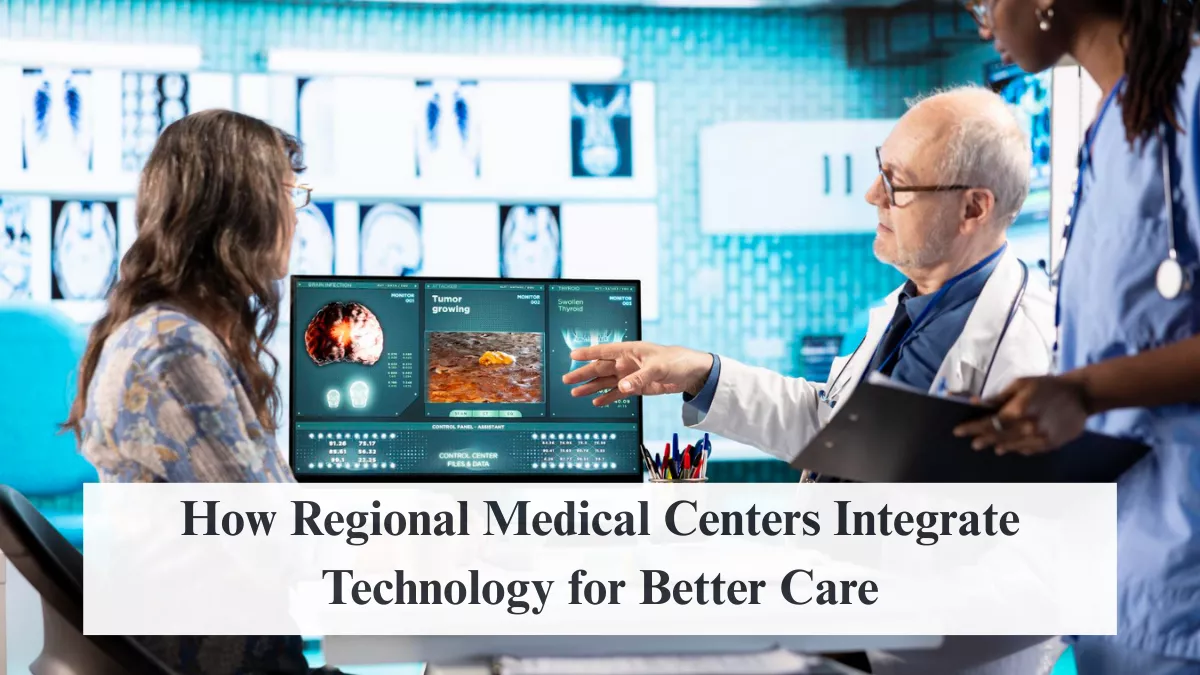
Regional medical centers play a crucial role in providing accessible, high-quality healthcare to communities, especially in areas where larger hospitals may not be available. The integration of modern technology in these centers has transformed patient care, improving efficiency, accuracy, and outcomes. From electronic health records to telemedicine, advanced diagnostic tools, and remote monitoring systems, technology enables healthcare professionals to deliver timely and personalized care.
By leveraging digital solutions, regional medical centers can enhance communication, streamline workflows, and reduce medical errors, ensuring that patients receive comprehensive and coordinated treatment. Technology also empowers patients, providing them with access to health information, online consultations, and self-management tools. This article explores the ways regional medical centers integrate technology to improve patient care, highlighting innovations that strengthen healthcare delivery, support medical professionals, and promote community health.

Electronic Health Records Streamline Patient Information
Electronic Health Records (EHRs) have revolutionized how regional medical centers manage patient data. EHRs centralize patient history, laboratory results, imaging studies, and medication lists, allowing healthcare providers to access accurate information quickly. This reduces the likelihood of medical errors caused by incomplete or misplaced records. EHR systems also facilitate collaboration among specialists, nurses, and primary care providers, ensuring coordinated care across departments.
For patients with chronic conditions, EHRs enable tracking of long-term health trends, making it easier to develop personalized treatment plans. Many EHR platforms include alerts for potential drug interactions, vaccination schedules, and preventive screenings. By digitizing patient records, regional medical centers improve efficiency, reduce paperwork, and provide timely, informed care, ultimately enhancing patient safety and satisfaction while freeing healthcare professionals to focus on direct patient interaction.

Telemedicine Expands Access to Care
Telemedicine has become a cornerstone of modern healthcare in regional medical centers, particularly for patients in rural or underserved areas. By offering virtual consultations, medical centers reduce travel barriers and ensure timely access to healthcare professionals. Telemedicine platforms allow physicians to conduct assessments, follow-ups, and even specialist referrals remotely. This technology is especially beneficial for chronic disease management, mental health counseling, and post-operative monitoring.
Video consultations, secure messaging, and digital prescriptions streamline communication between patients and providers. Additionally, telemedicine reduces hospital overcrowding by minimizing unnecessary in-person visits, allowing staff to focus on critical cases. The integration of telemedicine ensures continuity of care, improves patient engagement, and promotes early intervention, ultimately leading to better health outcomes for communities served by regional medical centers.
Advanced Diagnostic Tools Enhance Accuracy
Modern technology has equipped regional medical centers with advanced diagnostic tools that improve precision and speed. Imaging technologies such as MRI, CT scans, and digital X-rays allow early detection of diseases, while portable ultrasound devices support bedside evaluations. Laboratory automation and digital pathology systems enhance accuracy in testing and reduce turnaround times for results.
Many centers now use AI-powered diagnostic software to analyze imaging and lab data, helping physicians identify abnormalities that may be missed during manual review. Rapid diagnostic tools for infections, cardiac markers, and genetic testing support timely interventions, particularly in emergency care. By integrating advanced diagnostics, regional medical centers increase the quality of care, reduce misdiagnosis, and enable proactive treatment, ensuring patients receive accurate and effective healthcare solutions.

Remote Patient Monitoring Supports Chronic Care
Remote Patient Monitoring (RPM) technology allows regional medical centers to track patients’ health conditions from their homes. Devices such as wearable sensors, glucose monitors, blood pressure cuffs, and smart scales transmit real-time data to healthcare providers. This continuous monitoring helps detect early signs of complications and allows timely interventions without requiring frequent hospital visits. RPM is especially valuable for managing chronic conditions such as diabetes, heart disease, and respiratory disorders.
Alerts generated by RPM systems notify care teams of abnormal readings, enabling quick response and reducing hospital admissions. Patients also benefit from personalized feedback and guidance, empowering them to manage their health proactively. By adopting remote monitoring, regional medical centers enhance patient outcomes, improve adherence to treatment plans, and promote safer, community-based healthcare delivery.

Artificial Intelligence Optimizes Clinical Decisions
Artificial Intelligence (AI) is increasingly integrated into regional medical centers to support clinical decision-making. AI algorithms can analyze large datasets to predict disease progression, identify high-risk patients, and recommend personalized treatment plans. Machine learning models assist in interpreting medical imaging, detecting tumors, fractures, or vascular abnormalities more accurately and quickly.
AI-powered systems also optimize hospital workflows, including patient scheduling, resource allocation, and predictive maintenance of equipment. Virtual assistants help physicians by summarizing patient information and suggesting evidence-based interventions. By leveraging AI, regional medical centers can reduce human error, improve diagnostic accuracy, and enhance operational efficiency. The integration of AI ensures that patients receive timely, data-driven care while healthcare providers can make more informed, confident decisions in complex medical scenarios.
Mobile Health Applications Engage Patients
Mobile health (mHealth) applications play a vital role in engaging patients and supporting preventive care in regional medical centers. These apps enable appointment scheduling, access to health records, medication reminders, and educational resources directly from smartphones or tablets.
Patients can track their physical activity, nutrition, and symptoms, which helps providers monitor lifestyle factors influencing health outcomes. mHealth apps also support virtual consultations, secure messaging, and chronic disease management, enhancing patient-provider communication. Gamification features and goal tracking can motivate patients to adhere to treatment plans. By integrating mobile health technology, regional medical centers empower patients to take an active role in managing their health, improve adherence to medical advice, and enhance satisfaction with care, fostering a proactive, patient-centered approach to healthcare delivery.
Robotics and Automation Improve Surgical and Routine Care
Robotics and automation have transformed certain aspects of patient care in regional medical centers. Robotic-assisted surgeries provide precision, reduce invasiveness, and shorten recovery times, benefiting patients with complex procedures. Automated pharmacy dispensing systems and inventory management reduce medication errors and ensure timely availability of essential drugs. Robotics are also employed in rehabilitation, assisting patients with exercises and physical therapy in a controlled, measurable manner.
Automated systems for patient monitoring, lab processing, and housekeeping streamline operations, allowing staff to focus on direct patient care. Integrating robotics and automation improves safety, efficiency, and quality of care. By adopting these technologies, regional medical centers can deliver sophisticated treatment options typically found in larger hospitals while maintaining high standards of patient safety and satisfaction.
Data Analytics for Population Health Management
Regional medical centers increasingly use data analytics to monitor and improve population health outcomes. By analyzing aggregated patient data, centers can identify trends, track disease outbreaks, and optimize resource allocation. Predictive analytics helps anticipate patient needs, plan preventive interventions, and reduce hospital readmissions. Data-driven insights support evidence-based care, inform policy decisions, and enable targeted community health initiatives. For chronic disease management, analytics identifies high-risk patients and evaluates treatment efficacy, improving long-term outcomes.
Integrating electronic health records, remote monitoring data, and demographic information allows regional medical centers to implement proactive, population-level strategies. Data analytics empowers healthcare providers to deliver personalized care while addressing broader community health challenges, ensuring that technological advancements benefit both individual patients and the wider population.
Cybersecurity and Patient Data Protection
As technology integration expands, cybersecurity becomes a critical concern for regional medical centers. Protecting sensitive patient information is essential to maintain trust and comply with legal regulations. Encryption, secure networks, multi-factor authentication, and regular software updates safeguard electronic health records, telemedicine platforms, and remote monitoring systems. Staff training on cybersecurity protocols ensures proper handling of patient data and minimizes the risk of breaches.
Cybersecurity measures also include monitoring for potential threats, responding to incidents promptly, and maintaining backup systems for data recovery. By prioritizing cybersecurity, regional medical centers can confidently leverage technology to improve patient care while protecting privacy, maintaining compliance with healthcare regulations, and ensuring that both patients and providers can rely on digital systems securely and effectively.
Conclusion
Regional medical centers are increasingly integrating technology to enhance patient care, improve efficiency, and promote better health outcomes. From electronic health records and telemedicine to advanced diagnostics, artificial intelligence, robotics, and remote monitoring, technological innovations support personalized, timely, and safe medical care. Mobile health applications, data analytics, and cybersecurity measures further empower patients and protect sensitive information, ensuring a comprehensive and secure healthcare ecosystem.
By embracing these advancements, regional medical centers can bridge gaps in healthcare access, deliver higher-quality services, and strengthen community health. Technology not only improves operational efficiency but also enhances patient engagement, satisfaction, and overall well-being. The thoughtful integration of modern tools enables regional medical centers to provide world-class care while adapting to the evolving needs of patients and the healthcare landscape.