
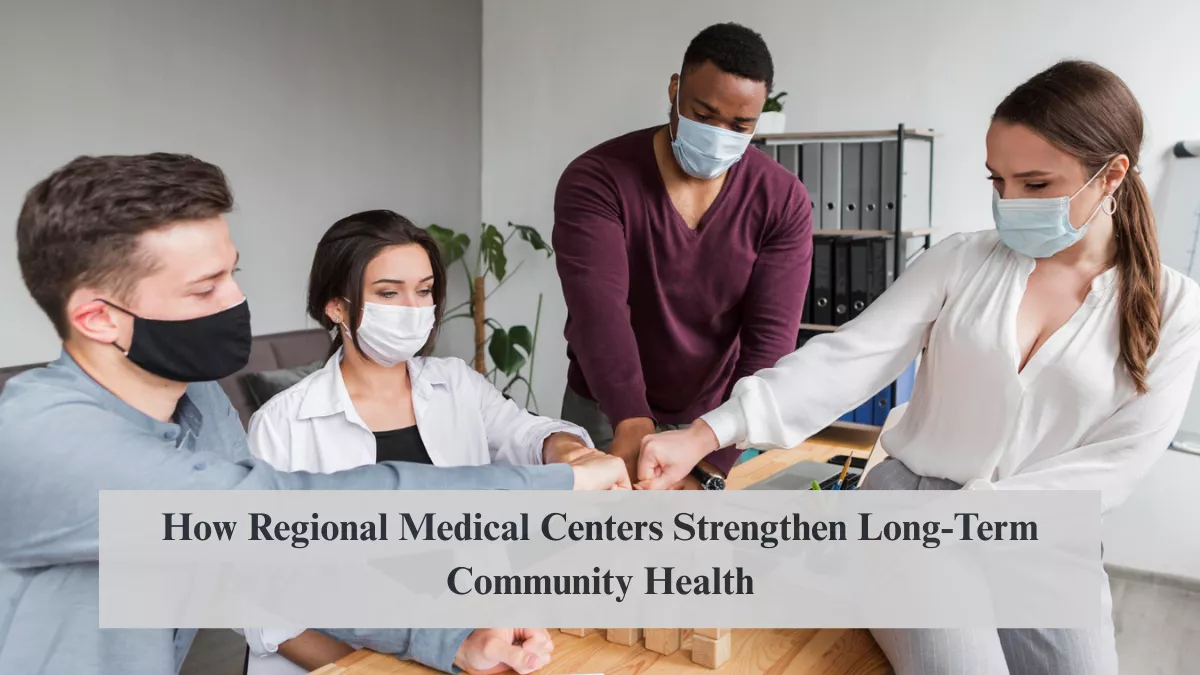
Regional medical centers play a vital role in strengthening long-term community health by providing consistent, coordinated, and accessible healthcare services close to where people live. Unlike isolated care models, these centers focus on sustained relationships with patients, emphasizing prevention, education, and continuity. Communities benefit when healthcare is not limited to treating illness but actively works to improve overall well-being over time. Regional medical centers understand local health patterns, economic conditions, and social challenges, allowing them to tailor services effectively. This localized insight supports early intervention, chronic disease management, and healthier lifestyle adoption.
By combining medical expertise with community engagement, regional centers become anchors of public health stability. They support individuals across all life stages while collaborating with schools, organizations, and public agencies. Over time, this integrated approach reduces health disparities, improves outcomes, and builds trust. Understanding how regional medical centers contribute to long-term health reveals their essential role in creating resilient, healthier communities for future generations.

Building Continuous and Coordinated Care
Regional medical centers strengthen long-term community health by offering continuous and coordinated care that follows patients throughout their lives. Rather than fragmented treatment experiences, patients receive care within integrated systems where providers share information and collaborate.
This continuity improves accuracy in diagnosis and treatment decisions. Coordinated care reduces duplication of tests and conflicting recommendations. Patients benefit from smoother transitions between primary care, specialists, and rehabilitation services. Over time, this consistency builds familiarity and trust. Providers gain deeper understanding of patient histories, allowing proactive interventions. Continuous care supports early identification of health changes, preventing complications.
Communities experience improved health stability through reliable medical oversight. By maintaining long-term relationships with patients, regional medical centers create healthcare environments focused on sustained wellness rather than short-term solutions, strengthening overall community health outcomes.
Emphasizing Preventive Healthcare Strategies
Preventive healthcare is central to the mission of regional medical centers, directly supporting long-term community health. These centers promote regular screenings, vaccinations, and wellness visits to detect health issues early. Prevention reduces the burden of chronic disease and lowers healthcare costs.
Regional centers educate communities about healthy behaviors and risk factors. Accessible preventive services encourage participation across age groups. Early detection allows timely treatment and better outcomes. Preventive care also reduces emergency visits and hospitalizations. Medical centers use community data to design targeted prevention programs.
Patients feel empowered through knowledge and support. Over time, preventive strategies shift community health trends toward wellness. By prioritizing prevention, regional medical centers address root causes of illness and support healthier, more resilient populations for the long term.
Managing Chronic Conditions Effectively
Chronic disease management is a key way regional medical centers strengthen community health over time. Conditions such as diabetes, heart disease, and respiratory illness require consistent monitoring and support. Regional centers provide structured programs that combine medical treatment with lifestyle guidance.
Regular follow-ups help detect changes early and adjust care plans. Patients receive education on medication use and self-management. Coordinated care reduces complications and hospital readmissions. Providers work closely with patients to set achievable health goals. Chronic management programs promote independence and confidence.

Communities benefit from reduced healthcare strain and improved quality of life. By addressing chronic conditions proactively, regional medical centers support long-term health stability and help individuals live healthier, more productive lives within their communities.
Supporting Health Education and Awareness
Health education is a powerful tool used by regional medical centers to improve long-term community health. Through workshops, counseling, and outreach programs, centers provide reliable health information. Education empowers individuals to make informed decisions about their well-being.
Topics often include nutrition, physical activity, disease prevention, and mental health. Accessible education reduces misinformation and fear. Regional centers tailor messaging to community needs and cultural contexts. Informed communities are more likely to engage in preventive care. Education also supports early symptom recognition and timely medical attention.
Over time, increased health literacy leads to better outcomes. By investing in education, regional medical centers help communities build sustainable habits that support long-term wellness and resilience.
Strengthening Mental and Emotional Well-Being
Long-term community health depends on addressing mental and emotional well-being, an area increasingly supported by regional medical centers. Integrated mental health services reduce stigma and improve access to care. Screening for anxiety, depression, and stress allows early intervention. Counseling and support programs promote emotional resilience. Mental health care improves physical health outcomes and recovery. Regional centers collaborate with community resources to provide comprehensive support.
Emotional well-being services help individuals cope with life challenges. Communities benefit from reduced crisis situations and improved social stability. Addressing mental health strengthens families and workplaces. By integrating emotional care into healthcare systems, regional medical centers support holistic wellness that contributes to healthier, more balanced communities over time.
Expanding Access Through Local Services
Accessibility is fundamental to the long-term impact of regional medical centers on community health. Local services reduce travel barriers and improve care consistency. Patients are more likely to seek care when it is nearby. Accessible facilities encourage preventive visits and follow-ups. Regional centers adapt services to meet local needs. Accessibility supports equity by reaching underserved populations.
Improved access reduces delays in diagnosis and treatment. Communities experience fewer health emergencies. Accessible care builds trust and engagement. Over time, consistent access leads to better health outcomes. By ensuring healthcare is reachable and responsive, regional medical centers create inclusive systems that support long-term health improvements across diverse populations.
Collaborating With Community Partners
Regional medical centers strengthen community health through partnerships with local organizations and agencies. Collaboration expands resources and reach. Centers work with schools, employers, and public health groups. Partnerships support wellness initiatives and education programs. Community collaboration addresses social determinants of health. Coordinated efforts reduce gaps in care. Partnerships improve emergency preparedness and response. Shared goals align health initiatives with community needs. Collaboration fosters trust and participation.
Communities benefit from integrated support systems. By working together, regional medical centers amplify their impact beyond clinical walls. This cooperative approach supports long-term health improvement by addressing both medical and social factors influencing community well-being.
Enhancing Emergency and Acute Care
Reliable emergency and acute care services contribute to long-term community health by ensuring safety and preparedness. Regional medical centers provide timely response to urgent health events. Quick access reduces complications and mortality. Emergency services also connect patients to ongoing care. Regional centers prepare for community-specific risks. Emergency readiness builds confidence among residents.
Effective acute care prevents long-term disability. Communities benefit from coordinated emergency systems. Over time, strong emergency services support public trust. By integrating emergency care with long-term health strategies, regional medical centers protect communities while reinforcing comprehensive healthcare systems that support sustained well-being.
Using Technology to Improve Outcomes
Technology enhances the ability of regional medical centers to support long-term community health. Digital records improve care coordination and accuracy. Telehealth expands access to services. Monitoring tools support chronic disease management. Technology improves efficiency and communication. Patients benefit from convenience and transparency. Data analysis helps identify community health trends.
Technology supports preventive care and early intervention. Regional centers adopt innovation to meet evolving needs. Over time, technology-driven care improves outcomes and engagement. By integrating technology thoughtfully, regional medical centers strengthen healthcare delivery and support sustainable, long-term improvements in community health.
Fostering Trust Through Consistent Presence
Trust is essential for long-term community health and is built through the consistent presence of regional medical centers. Familiar providers and environments create comfort. Trust encourages early care seeking and adherence. Regional centers build relationships over generations.
Transparent communication strengthens confidence. Trusted institutions support community stability. Patients feel valued and understood. Trust enhances participation in health programs. Over time, trust reduces disparities and improves outcomes. By maintaining reliable, compassionate care, regional medical centers become trusted partners in health. This enduring trust reinforces their role as pillars of community well-being and long-term health improvement.
Last Thought
Regional medical centers strengthen long-term community health by combining preventive care, education, accessibility, and trust into cohesive healthcare systems. Their sustained presence and community focus create healthier populations, stronger partnerships, and resilient healthcare foundations that support well-being for generations.
FAQs
How do regional medical centers improve long-term health?
They focus on prevention, continuity, and community engagement.
Do regional centers support preventive care?
Yes, prevention is a core priority.
How do they address chronic disease?
Through monitoring, education, and coordinated care.
Why is trust important in community health?
Trust encourages early care and long-term engagement.