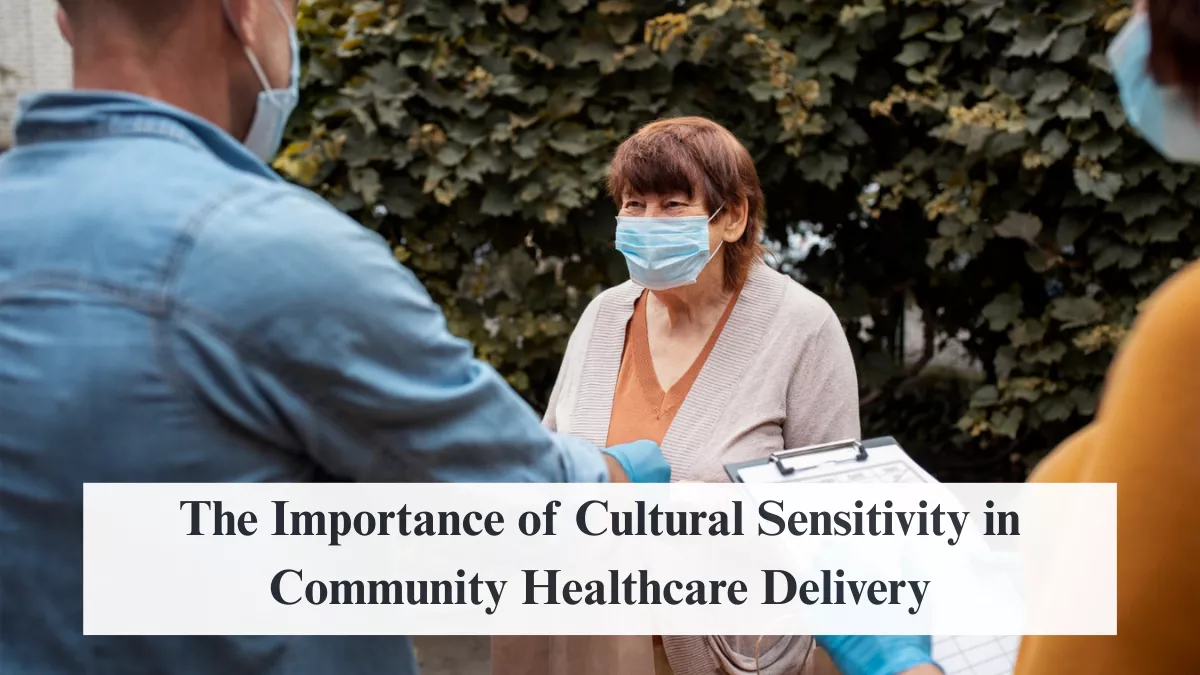
Cultural sensitivity in community healthcare delivery is essential for providing equitable, effective, and patient-centered care. Communities today are increasingly diverse, shaped by differences in language, traditions, beliefs, values, and lived experiences.
When healthcare systems fail to recognize and respect these differences, patients may feel misunderstood, disrespected, or reluctant to seek care. Cultural sensitivity goes beyond basic awareness; it involves understanding how cultural backgrounds influence health behaviors, communication styles, and expectations of care. In community healthcare settings, where trust and long-term relationships are critical, culturally sensitive practices can determine whether patients engage with services or avoid them altogether.
 How Community Hospitals Are Using AI to Improve Diagnostic Accuracy
Healthcare providers who demonstrate cultural respect foster environments where patients feel safe, heard, and valued. This sense of belonging improves communication, adherence to treatment, and overall health outcomes. As healthcare systems strive to reduce disparities and improve population health, cultural sensitivity has become a foundational component of quality care rather than an optional consideration.
Understanding Cultural Sensitivity in Community Healthcare
Cultural sensitivity refers to the ability of healthcare providers and organizations to recognize, respect, and appropriately respond to cultural differences.
 The Role of Local Medical Centers in Promoting Heart Health Awareness
In community healthcare delivery, this means understanding how culture influences perceptions of illness, healing practices, family roles, and decision-making. Culture shapes how individuals describe symptoms, seek care, and respond to medical advice. A culturally sensitive healthcare system does not assume a one-size-fits-all approach but adapts services to meet diverse needs. This includes respecting religious beliefs, dietary practices, communication preferences, and traditional health practices.
Cultural sensitivity also involves acknowledging historical mistrust or systemic barriers that some communities have experienced. By integrating cultural awareness into everyday practice, community healthcare providers can deliver care that aligns with patient values and promotes dignity. This understanding forms the basis for meaningful, respectful, and effective healthcare interactions.
 How Mobile Clinics Are Expanding Healthcare Access in Underserved Areas
Building Trust Within Diverse Communities
Trust is a cornerstone of effective community healthcare, and cultural sensitivity plays a vital role in building it. Many communities, particularly marginalized or historically underserved groups, may distrust healthcare systems due to past discrimination or negative experiences.
When providers demonstrate cultural respect, patients are more likely to feel comfortable sharing personal information and concerns. Trust encourages open communication, which is essential for accurate diagnosis and effective treatment. Simple actions, such as using preferred names, respecting cultural norms, and listening without judgment, can significantly strengthen relationships. Community healthcare providers who engage with cultural leaders and organizations further enhance trust and credibility.
 Why Hospital-Based Exercise Programs Improve Patient Recovery Rates
When trust is established, patients are more likely to seek preventive care, attend follow-up appointments, and adhere to treatment plans. Culturally sensitive care transforms healthcare interactions from transactional encounters into partnerships rooted in mutual respect.
Improving Communication and Understanding
Clear communication is critical in healthcare, and cultural sensitivity enhances understanding between providers and patients. Language barriers, nonverbal communication differences, and cultural interpretations of health can all affect care delivery. Culturally sensitive providers recognize these challenges and adapt their communication strategies accordingly. This may involve using interpreters, simplifying medical language, or confirming understanding through teach-back methods.
 How Community Hospitals Are Supporting Nutrition and Lifestyle Education
Understanding cultural norms related to eye contact, gestures, or expressions of pain prevents misinterpretation. Effective communication reduces misunderstandings, improves diagnostic accuracy, and strengthens patient engagement. When patients feel understood, they are more likely to ask questions and participate actively in their care. Cultural sensitivity ensures that communication is respectful, clear, and meaningful, supporting better health outcomes across diverse populations.
Reducing Health Disparities Through Inclusive Care
Health disparities often arise from systemic barriers, including cultural misunderstandings and unequal access to care. Cultural sensitivity helps address these disparities by tailoring services to meet the needs of diverse communities. Inclusive care recognizes that social determinants such as culture, language, and socioeconomic factors influence health outcomes.
By acknowledging these factors, community healthcare providers can design interventions that are relevant and accessible. Culturally sensitive outreach programs, education materials, and care models help bridge gaps in care. Reducing disparities requires understanding the unique challenges faced by different groups and responding with empathy and adaptability. When healthcare systems prioritize cultural sensitivity, they move closer to achieving health equity and improving outcomes for all community members.
Supporting Patient-Centered Care Models
Patient-centered care focuses on respecting individual preferences, needs, and values. Cultural sensitivity is fundamental to this approach, as culture shapes patient expectations and decision-making processes. In community healthcare delivery, patient-centered models thrive when providers consider cultural influences on health beliefs and behaviors.
Respecting cultural traditions related to family involvement, gender roles, or alternative healing practices enhances care alignment. Patients who feel their values are honored are more likely to engage with care plans and express concerns. Cultural sensitivity ensures that patient-centered care is truly inclusive and responsive. By integrating cultural understanding into care delivery, healthcare providers empower patients and promote shared decision-making.
Enhancing Preventive Care and Health Education
Preventive care and health education are more effective when culturally sensitive approaches are used. Cultural beliefs influence attitudes toward prevention, screenings, and lifestyle changes. Community healthcare providers who understand these beliefs can frame health messages in culturally relevant ways. Using familiar examples, culturally appropriate language, and trusted community channels increases engagement.
Culturally tailored education helps dispel myths, reduce fear, and encourage proactive health behaviors. Preventive programs that respect cultural values are more likely to succeed in improving long-term community health. Cultural sensitivity transforms health education from generic messaging into meaningful, actionable guidance.
Addressing Cultural Beliefs About Illness and Healing
Different cultures have unique beliefs about the causes of illness and appropriate healing methods. Some may view illness through spiritual, social, or holistic perspectives rather than purely biomedical ones. Culturally sensitive healthcare providers acknowledge these beliefs without dismissing them.
Respectful dialogue allows providers to integrate medical treatment with cultural practices when safe and appropriate. This approach reduces resistance and enhances cooperation. Understanding cultural beliefs about illness helps providers anticipate concerns and address them effectively. When patients feel their worldview is respected, they are more likely to trust medical advice and follow treatment recommendations.
The Role of Cultural Competence Training
Cultural sensitivity does not occur by chance; it requires education and ongoing training. Cultural competence training equips healthcare professionals with the knowledge and skills needed to serve diverse populations effectively. Training programs address topics such as implicit bias, communication strategies, and cultural health practices. Continuous learning helps providers adapt to evolving community demographics.
Well-trained healthcare teams are better prepared to recognize cultural needs and respond appropriately. Investing in cultural competence training demonstrates organizational commitment to inclusive care. Such efforts improve provider confidence, patient satisfaction, and care quality.
Improving Care Coordination in Multicultural Settings
Community healthcare often involves coordination among multiple providers and services. Cultural sensitivity improves care coordination by ensuring that information is communicated clearly and respectfully across settings. Understanding cultural preferences helps providers align care plans and avoid conflicting advice. Coordinated, culturally sensitive care reduces duplication, confusion, and gaps in services.
Patients navigating complex systems benefit from consistent, culturally aware support. Effective coordination strengthens continuity of care and improves outcomes for diverse populations.
Enhancing Mental Health Support
Mental health perceptions and stigma vary widely across cultures. Cultural sensitivity is essential for delivering effective mental health services in community settings. Providers must understand cultural attitudes toward mental illness, counseling, and emotional expression. Culturally sensitive approaches reduce stigma and encourage individuals to seek support. Using culturally appropriate language and interventions enhances engagement. Mental health care that respects cultural context fosters trust and healing. Inclusive mental health services contribute to overall community well-being.
Supporting Family and Community Involvement
In many cultures, health decisions involve family or community members rather than individuals alone. Cultural sensitivity recognizes the importance of these relationships in healthcare delivery. Involving families when appropriate enhances understanding and support. Community-based approaches that engage local leaders and organizations strengthen outreach and trust. Respecting collective decision-making aligns care with cultural values. Supporting family and community involvement improves adherence and reinforces social support systems essential for healing.
Overcoming Language Barriers
Language differences are a significant challenge in community healthcare delivery. Cultural sensitivity includes providing language access services such as interpreters and translated materials. Clear communication in a patient’s preferred language improves safety and understanding. Language access demonstrates respect and inclusion. Addressing language barriers reduces errors and enhances patient confidence. Effective language support is a practical expression of cultural sensitivity in action.
Addressing Implicit Bias in Healthcare
Implicit bias can influence healthcare decisions and interactions, often unintentionally. Cultural sensitivity involves recognizing and addressing these biases. Self-awareness and training help providers identify assumptions that may affect care. Reducing bias improves fairness and equity in treatment. When patients perceive unbiased care, trust and engagement increase. Addressing implicit bias is essential for culturally sensitive healthcare delivery.
Improving Patient Satisfaction and Experience
Patients who receive culturally sensitive care report higher satisfaction levels. Feeling respected and understood enhances the care experience. Positive experiences encourage continued engagement with healthcare services. Patient satisfaction is closely linked to trust, communication, and outcomes. Cultural sensitivity strengthens these factors, leading to better experiences for patients and families. Satisfied patients are more likely to recommend services and participate in community health initiatives.
Strengthening Community Health Outcomes
Culturally sensitive healthcare delivery improves health outcomes at the community level. Increased engagement, adherence, and preventive care lead to healthier populations. Addressing cultural needs reduces disparities and improves equity. Strong community relationships support long-term health improvements. Cultural sensitivity transforms healthcare into a collaborative effort that benefits individuals and communities alike.
Policy and Organizational Commitment
Sustainable cultural sensitivity requires organizational and policy-level support. Healthcare organizations must prioritize diversity, equity, and inclusion in policies and practices. Leadership commitment ensures resources for training, language services, and community engagement. Policies that support culturally sensitive care reinforce accountability. Organizational commitment creates environments where inclusive care thrives.
Challenges in Implementing Cultural Sensitivity
Implementing cultural sensitivity can be challenging due to resource limitations, time constraints, and varying levels of awareness. Overcoming these challenges requires dedication and collaboration. Continuous assessment and improvement help address gaps. Engaging communities in planning ensures relevance and effectiveness. Despite challenges, the benefits of cultural sensitivity far outweigh the difficulties.
The Future of Culturally Sensitive Community Healthcare
As communities continue to diversify, cultural sensitivity will become even more important. Future healthcare models must integrate cultural understanding into technology, outreach, and care delivery. Innovation combined with cultural awareness will enhance accessibility and effectiveness. Preparing healthcare systems for diverse populations ensures resilience and relevance.
Conclusion: Advancing Equity Through Cultural Sensitivity
Cultural sensitivity is essential for effective community healthcare delivery. It builds trust, improves communication, reduces disparities, and enhances health outcomes. By respecting cultural differences and adapting care accordingly, healthcare providers create inclusive, patient-centered systems.
Cultural sensitivity transforms healthcare from a standardized service into a compassionate partnership. As healthcare continues to evolve, embracing cultural sensitivity will remain critical to advancing equity, quality, and community well-being.