
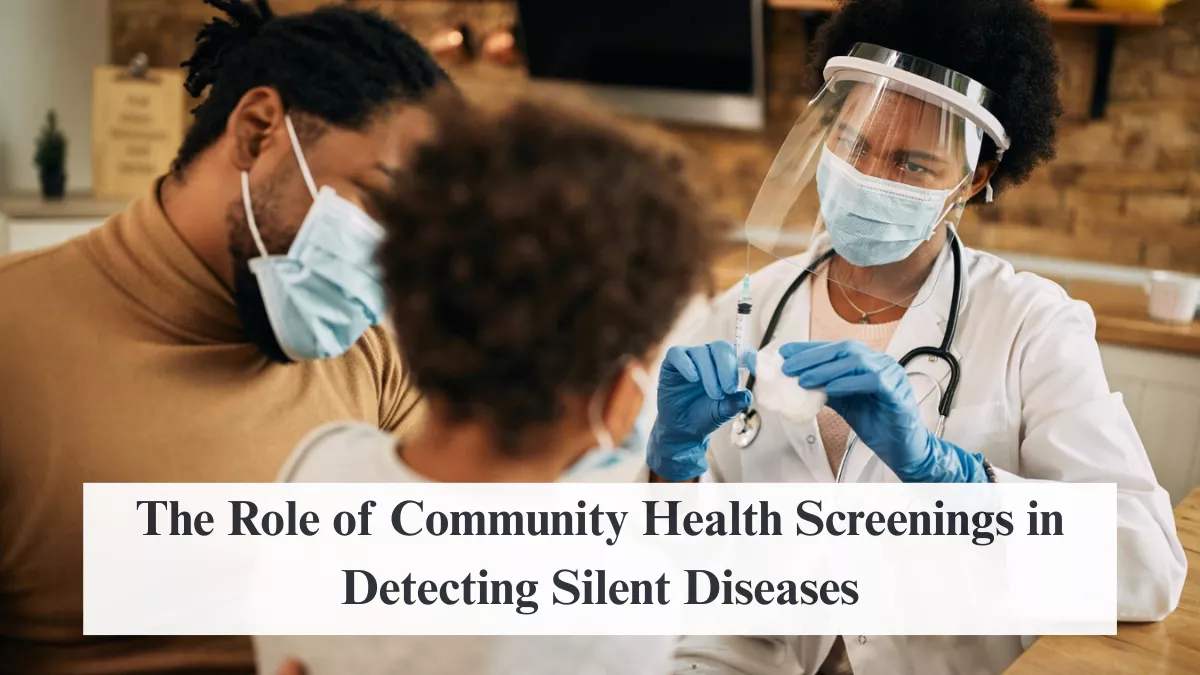
Silent diseases are conditions that often develop gradually without noticeable symptoms until they reach an advanced stage. Examples include hypertension, diabetes, high cholesterol, chronic kidney disease, and certain cancers. Because these diseases are asymptomatic in early stages, many individuals remain unaware of their health risks, delaying treatment and increasing the likelihood of complications.
Community health screenings are essential for early detection of silent diseases, offering preventive care opportunities and improving long-term health outcomes. Local hospitals, clinics, and health organizations organize these screenings to identify at-risk populations and provide timely interventions. By addressing silent diseases early, communities reduce healthcare costs, improve quality of life, and lower mortality rates.

The Importance of Early Detection
Early detection of silent diseases is critical for effective management and prevention of severe complications. Conditions such as hypertension or type 2 diabetes can cause significant organ damage if left untreated. Routine screenings enable healthcare providers to identify abnormal biomarkers, risk factors, or early-stage disease. Early intervention often involves lifestyle modifications, medication, or further diagnostic evaluation.
Detecting silent diseases before symptoms manifest allows patients to take control of their health, reducing the burden of chronic illness and preventing hospitalizations. Community health screenings play a vital role in bridging the gap between undiagnosed disease and effective treatment.

Types of Community Health Screenings
Community health screenings encompass a wide range of tests designed to detect silent diseases. Common screenings include:
- Blood pressure checks to identify hypertension.
- Blood glucose tests to detect diabetes or prediabetes.
- Cholesterol tests for assessing cardiovascular risk.
- Body mass index (BMI) measurements to evaluate obesity-related risks.
- Cancer screenings, such as mammograms, Pap smears, and colonoscopies.
- Kidney function and liver function tests for early detection of organ dysfunction.
Screenings are often conducted in clinics, community centers, workplaces, and schools to ensure accessibility for diverse populations.
Reducing Barriers to Healthcare Access
Community screenings increase access to healthcare services, particularly for underserved populations. Many individuals face obstacles such as cost, transportation, lack of awareness, or limited clinic availability. By offering screenings in local neighborhoods, mobile units, and public spaces, hospitals and health organizations bring care directly to the community. Removing these barriers encourages participation, identifies previously undiagnosed conditions, and promotes health equity. Accessible screening programs empower communities to engage proactively in their healthcare.
Preventive Health Education During Screenings
Screenings are not only diagnostic but also educational. Healthcare professionals provide guidance on lifestyle modifications, nutrition, exercise, stress management, and preventive care practices. Educational components help participants understand the significance of results, recognize risk factors, and adopt healthy behaviors. Combining screening with education ensures that patients receive actionable insights, enhancing the impact of early detection programs. Preventive health education also fosters long-term community wellness and disease prevention.
Targeting High-Risk Populations
Community health screenings are particularly effective when targeting high-risk populations. Factors such as age, family history, lifestyle habits, and preexisting conditions increase susceptibility to silent diseases. Local hospitals use data-driven approaches to identify vulnerable groups and prioritize screening efforts.

For example, adults over 40 may be targeted for cardiovascular and diabetes screenings, while individuals with a family history of cancer may receive specialized tests. Targeted screening ensures efficient use of resources and maximizes the likelihood of early disease detection.
Screenings for Cardiovascular Health
Cardiovascular diseases are often silent until severe complications occur. Community screenings include blood pressure measurement, cholesterol testing, and heart rate monitoring. Identifying elevated blood pressure or cholesterol levels early allows for timely interventions, such as dietary changes, physical activity, or medication.

Cardiovascular screenings help prevent heart attacks, strokes, and other complications, improving population health and reducing hospital admissions. Hospitals use these screenings to track trends in community cardiovascular risk and develop targeted prevention strategies.
Diabetes and Prediabetes Detection
Type 2 diabetes often develops gradually and remains asymptomatic for years. Community screenings include fasting glucose, HbA1c tests, and risk assessments to detect prediabetes or diabetes early. Early identification allows patients to modify their lifestyle, manage blood sugar levels, and prevent complications such as neuropathy, kidney disease, and cardiovascular disorders.
Screening programs also provide counseling on nutrition, exercise, and weight management. Local medical centers often follow up with participants to ensure ongoing monitoring and support, reducing the burden of undiagnosed diabetes in the community.
Cancer Screenings
Cancer screenings are crucial for detecting certain cancers before they progress. Community programs may include mammograms for breast cancer, Pap smears for cervical cancer, colonoscopy referrals for colorectal cancer, and skin checks for melanoma.
Early detection dramatically improves treatment success rates and survival outcomes. Hospitals often combine screenings with educational initiatives to raise awareness about risk factors, family history, and preventive strategies. Cancer screening programs also provide pathways for timely referral and treatment, ensuring comprehensive care for detected cases.
Kidney and Liver Function Monitoring
Chronic kidney disease and liver disorders often remain asymptomatic until advanced stages. Community screenings use blood and urine tests to monitor kidney function, liver enzymes, and metabolic markers. Early detection enables intervention through lifestyle adjustments, medication, and monitoring to prevent progression. Hospitals provide follow-up care and education to ensure patients manage their conditions effectively. Community screenings for organ health reduce complications, improve quality of life, and prevent emergency hospitalizations.
The Role of Technology in Screenings
Technology enhances the efficiency, accuracy, and reach of community health screenings. Electronic health records, portable diagnostic devices, telehealth follow-ups, and mobile applications streamline screening processes. Hospitals use digital systems to track results, identify trends, and ensure continuity of care. Technology also facilitates data collection for public health research and targeted interventions. By integrating technology into screenings, hospitals increase accessibility, improve data management, and enhance patient outcomes.
Screening for Lifestyle-Related Risk Factors
In addition to disease-specific screenings, community programs evaluate lifestyle-related risk factors. Measurements of BMI, waist circumference, dietary habits, physical activity levels, and smoking status provide insight into potential health risks. Counseling and behavior modification programs accompany these assessments, empowering participants to adopt healthier lifestyles. Addressing lifestyle factors early reduces the risk of chronic diseases and improves long-term health outcomes.
Screenings in Schools and Workplaces
Hospitals expand the reach of community health screenings through schools and workplaces. School-based programs target children and adolescents for obesity, vision, hearing, and nutritional assessments. Workplace screenings provide employees with cardiovascular, diabetes, and stress assessments.
These settings increase participation rates, promote health literacy, and encourage preventive care behaviors across age groups. Early detection in schools and workplaces builds a foundation for lifelong wellness.
Reducing Healthcare Costs Through Early Detection
Early detection of silent diseases through community screenings reduces long-term healthcare costs. Preventing complications decreases the need for expensive hospitalizations, surgeries, and intensive treatments. By identifying conditions at manageable stages, hospitals help patients implement cost-effective interventions. Early intervention not only saves money for healthcare systems but also reduces financial burdens on patients and families.
Promoting Health Equity
Community health screenings address disparities in access to healthcare. Underserved populations often face higher risks of silent diseases due to limited resources, socioeconomic factors, and reduced healthcare access. By bringing screenings directly to communities, hospitals ensure that everyone has an opportunity for early detection. Inclusive programs that provide free or low-cost screenings, translation services, and culturally appropriate education foster equity and improve overall community health outcomes.
Follow-Up and Continuity of Care
Screening is only effective if it leads to timely follow-up and ongoing care. Hospitals establish protocols to ensure patients with abnormal results receive diagnostic evaluation, treatment, and monitoring. Case management teams, primary care referrals, and telehealth follow-ups maintain continuity of care. Effective follow-up reduces disease progression, prevents complications, and ensures that community health screenings translate into meaningful improvements in patient health.
Screening Campaigns During Public Health Events
Community health screenings become even more critical during public health crises, such as pandemics or environmental disasters. Hospitals conduct targeted screenings to identify high-risk individuals, monitor emerging health threats, and provide timely interventions.
Mobile screening units and community outreach programs help maintain access to preventive care during challenging circumstances. These efforts ensure that silent diseases are not overlooked even during broader public health emergencies.
Collaboration With Public Health Agencies
Hospitals coordinate with local public health agencies to maximize the effectiveness of community screenings. Collaboration enables data sharing, joint outreach campaigns, and targeted interventions in high-risk neighborhoods. Public health partnerships enhance resource allocation, standardize screening protocols, and support population-level disease prevention strategies. Coordinated efforts ensure comprehensive, community-wide approaches to detecting silent diseases.
Educational Workshops and Counseling
Screenings are often complemented by workshops and counseling sessions that educate participants on disease prevention, lifestyle modification, and medication management. Hospitals provide practical guidance on nutrition, exercise, stress management, and adherence to treatment plans. Educational interventions empower individuals to take proactive steps in managing their health and preventing disease progression.
Mobile Screening Units for Rural and Underserved Areas
Mobile screening units extend access to remote or underserved populations. Equipped with diagnostic tools and staffed by healthcare professionals, these units bring preventive care directly to communities with limited healthcare infrastructure. Mobile units conduct blood tests, blood pressure checks, BMI assessments, and basic vision and hearing screenings. This approach reduces geographic barriers, increases participation, and ensures equitable access to early detection services.
Community Engagement and Awareness
Effective community health screenings require robust engagement strategies. Hospitals use public awareness campaigns, local media, social networks, and community partnerships to promote screening events. Engaging trusted community leaders and organizations enhances participation and fosters trust. Awareness campaigns also educate the public on the importance of early detection, empowering communities to prioritize preventive care.
Measuring Impact and Effectiveness
Hospitals evaluate the effectiveness of community health screenings through outcome metrics, including detection rates, follow-up adherence, and changes in community health indicators. Data analysis informs program improvements, identifies gaps, and guides resource allocation. Evidence-based evaluation ensures that screenings achieve measurable health benefits and provide a foundation for ongoing preventive care initiatives.
Integration With Chronic Disease Management Programs
Community screenings are often integrated into broader chronic disease management programs. Patients identified with risk factors or early-stage disease are enrolled in structured care plans, including lifestyle counseling, medication management, and regular follow-ups. Integration ensures a continuum of care, improves patient outcomes, and reduces the burden of chronic diseases in the community.
Technological Innovations in Screening
Emerging technologies, including portable diagnostic devices, telemedicine platforms, and AI-assisted risk assessments, enhance the efficiency and accuracy of community screenings.
Hospitals adopt these innovations to streamline data collection, provide real-time analysis, and support targeted interventions. Technological integration improves access, reduces wait times, and enhances patient engagement in preventive care programs.
Conclusion: Strengthening Communities Through Early Detection
Community health screenings are a vital tool in detecting silent diseases and promoting preventive care. By offering accessible, inclusive, and data-driven screening programs, local hospitals identify at-risk individuals, provide timely interventions, and empower communities to take control of their health. Early detection reduces disease complications, improves quality of life, and lowers healthcare costs.
Combined with education, follow-up care, and technological innovations, community screenings enhance population health and strengthen resilience against chronic and asymptomatic conditions. Hospitals play a central role in creating proactive, informed, and healthy communities capable of addressing silent diseases effectively.