
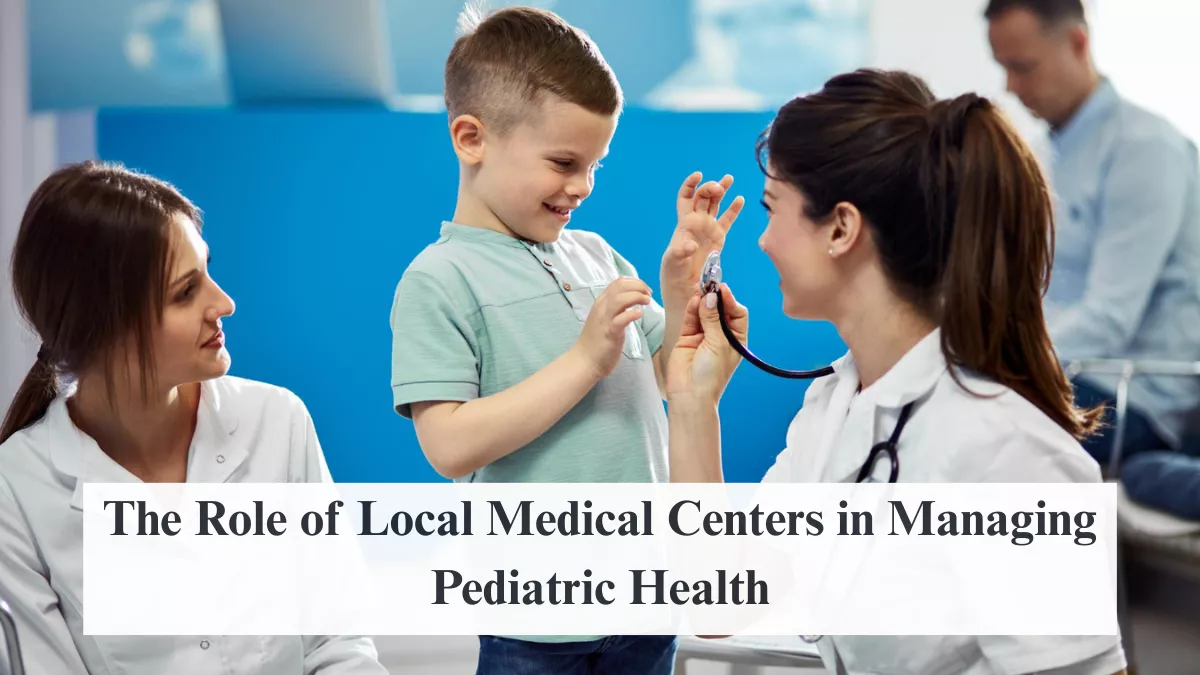
Local medical centers play a pivotal role in ensuring the health and well-being of children within communities. These facilities provide accessible, high-quality pediatric care that addresses both preventive and acute health needs. With rising rates of chronic illnesses, allergies, and developmental concerns among children, local centers have become essential hubs for early detection, treatment, and ongoing management.
Families rely on these centers for vaccinations, routine check-ups, growth monitoring, and specialized consultations, allowing children to develop healthily and reach developmental milestones. Beyond clinical care, local medical centers offer educational resources to parents, helping them understand nutrition, mental health, and lifestyle choices that impact child development. The proximity and accessibility of these centers make them crucial for timely intervention. This article explores how local medical centers manage pediatric health, highlighting preventive care, chronic disease management, technological integration, and community engagement strategies that enhance outcomes for children.

Delivering Preventive Pediatric Care
Preventive care is central to pediatric health management in local medical centers. Routine well-child visits enable physicians to monitor growth, track developmental milestones, and detect potential health issues early. Vaccinations administered at these centers protect children from serious infectious diseases, contributing to herd immunity and safeguarding public health. Nutritional assessments and guidance provided during check-ups help prevent obesity and promote healthy eating habits from a young age.
By offering screenings for vision, hearing, and developmental delays, local centers ensure children receive timely interventions that optimize growth and learning capabilities. Preventive care also includes counseling parents about sleep patterns, oral hygiene, and safety measures, equipping families with the knowledge to reduce risks. Integrating preventive services into pediatric care improves overall health outcomes and reduces the burden on emergency services, highlighting the critical role local medical centers play in sustaining long-term community wellness.

Managing Chronic Pediatric Conditions
Local medical centers play a critical role in managing chronic conditions such as asthma, diabetes, and congenital heart diseases in children. Coordinated care plans involve multidisciplinary teams, including pediatricians, nurses, dietitians, and specialists, to ensure consistent monitoring and treatment. These teams develop individualized strategies for medication management, lifestyle modifications, and regular check-ups, helping children maintain optimal health and reduce complications.
Chronic disease management also involves educating parents about symptom recognition, emergency preparedness, and adherence to treatment protocols. By maintaining consistent communication, local centers prevent hospital readmissions and ensure children experience minimal disruption to their daily lives, including school and extracurricular activities. Regular assessments, lab tests, and consultations allow timely adjustments to treatment plans, emphasizing proactive rather than reactive care. Effective chronic disease management reinforces the community medical center’s role as a reliable, accessible healthcare provider for children with ongoing medical needs.

Providing Mental and Behavioral Health Support
Mental health support is an increasingly important service provided by local medical centers for children and adolescents. These centers offer screening for anxiety, depression, ADHD, and behavioral disorders, enabling early intervention. Psychologists, social workers, and pediatric psychiatrists collaborate to deliver therapy, counseling, and family guidance, ensuring children receive holistic care that addresses both mental and physical well-being.
Early identification and treatment of mental health challenges reduce academic and social difficulties, supporting healthy emotional development. Schools and community programs often partner with medical centers to provide counseling and educational workshops, reinforcing coping skills and resilience. Mental health services also include crisis intervention, suicide prevention, and substance abuse counseling. By integrating mental and behavioral health into pediatric care, local centers acknowledge the critical interplay between emotional and physical health, providing comprehensive care that addresses the diverse needs of children and adolescents.

Leveraging Technology for Pediatric Care
Technology has transformed pediatric care in local medical centers, improving accessibility, accuracy, and efficiency. Electronic health records allow physicians to track growth charts, immunizations, medical histories, and allergies, facilitating coordinated and personalized care. Telehealth platforms enable virtual consultations, follow-ups, and remote monitoring, reducing travel burdens for families while maintaining continuity of care.
Diagnostic tools, such as digital imaging, lab automation, and wearable devices, provide real-time data to monitor chronic conditions and detect emerging health issues promptly. Technology also supports educational initiatives, with mobile applications offering parents guidance on nutrition, vaccinations, sleep, and developmental milestones. By incorporating these tools, local medical centers can deliver timely, accurate, and comprehensive pediatric care, ensuring children receive interventions at the right time while empowering families with information and resources.

Encouraging Vaccination and Immunization Programs
Vaccination remains one of the most impactful public health strategies managed by local medical centers. Pediatric patients rely on these centers to administer routine immunizations that protect against preventable diseases such as measles, mumps, rubella, and polio. Local centers conduct educational campaigns for parents, highlighting the importance, safety, and schedules of vaccinations. By tracking immunization records electronically, centers ensure timely administration and follow-ups, minimizing missed doses.
Community outreach initiatives, including school-based vaccination drives, mobile clinics, and awareness programs, increase coverage and prevent outbreaks. Local medical centers also collaborate with public health authorities to respond quickly to emerging health threats, such as seasonal flu or novel viruses. Through proactive immunization programs, these centers protect individual children and contribute to the broader health of the community, reducing hospitalizations and preventing epidemics.
Promoting Nutrition and Healthy Lifestyle Choices
Local medical centers actively support pediatric health by promoting proper nutrition and lifestyle habits. Pediatricians provide guidance on age-appropriate diets, portion control, and nutrient intake essential for growth and development. Centers also conduct obesity prevention programs, offering counseling on healthy eating, physical activity, and family lifestyle changes. Schools and community partnerships reinforce these messages through educational workshops, cooking classes, and fitness initiatives.
Addressing nutrition and lifestyle early in childhood reduces the risk of chronic conditions such as diabetes, heart disease, and metabolic disorders. By combining education, practical guidance, and community engagement, local medical centers help families make informed choices that support lifelong health and well-being, fostering an environment where children can thrive physically, mentally, and socially.
Coordinating School and Community Health Programs
Local medical centers frequently collaborate with schools and community organizations to expand pediatric care beyond clinical settings. School-based health programs provide screenings, vaccinations, and health education directly to children, increasing accessibility and engagement. Partnerships with community organizations facilitate nutrition programs, physical activity initiatives, and mental health workshops.
By working together, medical centers and educational institutions ensure that children receive consistent guidance and support across multiple environments. These initiatives also help identify at-risk children early, allowing timely interventions. Community outreach efforts strengthen awareness of preventive care, chronic disease management, and wellness resources available at local medical centers. Coordinated programs foster trust, enhance health literacy, and improve overall pediatric health outcomes, highlighting the essential role of local centers in bridging gaps between healthcare and the daily lives of children and their families.
Supporting Emergency and Acute Pediatric Care
Emergency preparedness and acute care services are vital components of pediatric care in local medical centers. Children require immediate attention for injuries, infections, and sudden illnesses, which necessitates specialized pediatric protocols. Medical centers maintain dedicated pediatric units or trained staff to handle emergencies efficiently and compassionately.
Rapid triage, diagnosis, and treatment minimize complications and support recovery. Centers also engage in community education regarding injury prevention, first aid, and emergency response for children. Coordinated care with local hospitals ensures seamless referrals for cases requiring specialized treatment. By providing acute care services alongside routine and preventive care, local medical centers offer comprehensive pediatric care, addressing both planned and unexpected health needs, and fostering community trust in their ability to safeguard children’s well-being.
Integrating Family-Centered Care
Family-centered care is a guiding principle in pediatric health management at local medical centers. This approach recognizes the essential role parents and caregivers play in a child’s health, involving them actively in decision-making and care planning. Pediatricians communicate openly with families, providing guidance, education, and emotional support to address both medical and psychosocial needs.
Family participation enhances adherence to treatment plans, promotes healthier home environments, and improves outcomes for chronic or acute conditions. Family-centered care also emphasizes cultural sensitivity, ensuring interventions align with family beliefs, values, and circumstances. By involving families in every step of care, local medical centers create supportive networks that extend beyond clinical interactions, fostering trust, collaboration, and shared responsibility for the child’s health and well-being.
Last Thought
Local medical centers serve as the cornerstone of pediatric health, providing accessible, comprehensive care that addresses physical, mental, and developmental needs. Preventive programs, chronic disease management, mental health services, and community partnerships ensure children grow up healthy and resilient. By leveraging technology, family-centered care, and school-based initiatives, these centers deliver holistic, proactive, and timely interventions.
Emergency preparedness and acute care capabilities further reinforce their role as trusted healthcare providers. Through ongoing adaptation and innovation, local medical centers sustain community trust and contribute to long-term pediatric wellness. Their efforts ensure that children receive high-quality, continuous care, empowering families and strengthening the foundations of public health while navigating modern healthcare challenges effectively.
FAQs
What services do local medical centers provide for children?
Local medical centers provide preventive care, vaccinations, chronic disease management, mental health support, emergency care, and family-centered guidance.
How do local centers manage chronic pediatric conditions?
They use individualized care plans, multidisciplinary teams, telehealth monitoring, and parent education to manage conditions such as asthma, diabetes, or allergies effectively.
Why is family-centered care important in pediatrics?
Family-centered care involves parents in decision-making, improving adherence, communication, and overall child health outcomes while addressing emotional and social needs.
How do local centers support community-wide pediatric health?
Through school programs, vaccination drives, nutrition initiatives, educational workshops, and partnerships with local organizations to promote health literacy and preventive care.