
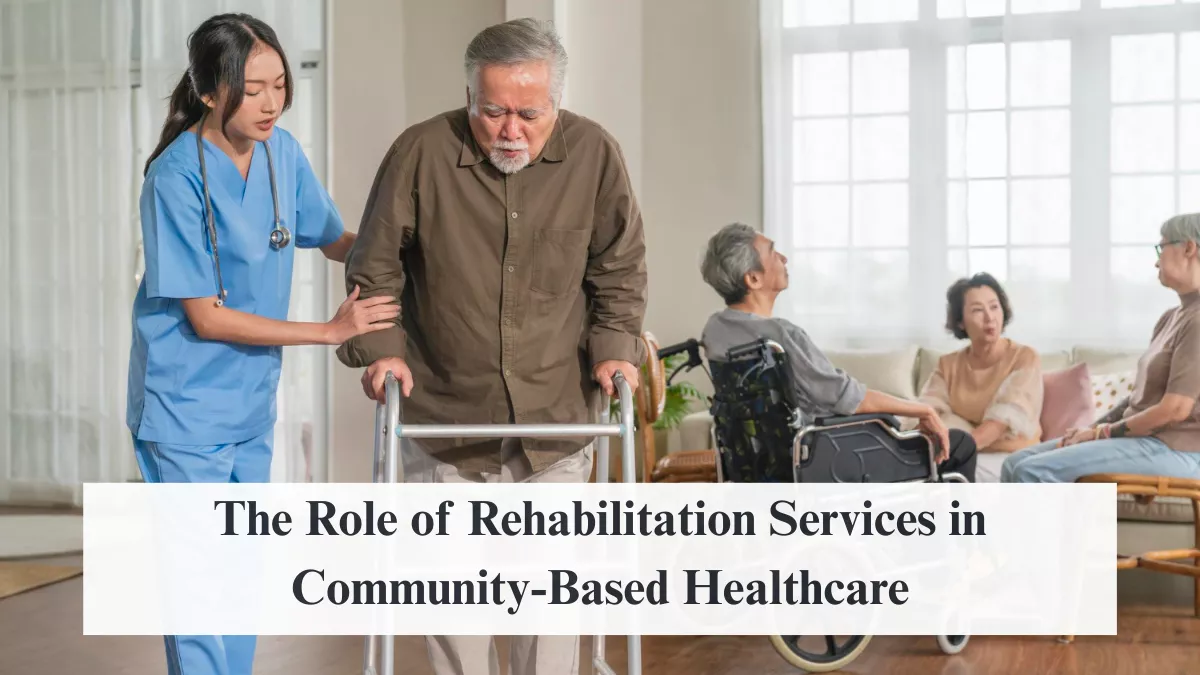
Community-based healthcare increasingly relies on rehabilitation services to restore function, independence, and quality of life for people of all ages. Rehabilitation bridges the gap between acute treatment and long-term wellness by addressing physical, cognitive, and emotional recovery within familiar local settings. In community environments, services are designed around daily living, family involvement, and realistic goals, making recovery more sustainable and meaningful.
By offering therapy close to home, community programs reduce barriers such as travel, cost, and fragmented follow-up care. Patients benefit from consistent relationships with therapists who understand local resources and cultural needs. Rehabilitation services also support prevention, helping individuals avoid complications, hospital readmissions, and long-term disability. This article explores the role of rehabilitation services in community-based healthcare, explaining how they improve outcomes, strengthen care continuity, and contribute to healthier, more resilient communities over time for patients, families, and providers working together every day across diverse local healthcare systems.


Restoring Functional Independence
Rehabilitation services play a central role in restoring functional independence within community-based healthcare systems. After illness, injury, or surgery, many individuals struggle with mobility, strength, coordination, or daily tasks. Community rehabilitation focuses on helping patients regain practical abilities needed for everyday life.
Therapists design personalized programs targeting walking, self-care, communication, and cognitive skills. Because services are delivered locally, therapy aligns closely with real home and community environments. This relevance improves progress and confidence. Restoring independence reduces reliance on caregivers and long-term institutional care. By prioritizing functional recovery, community-based rehabilitation empowers individuals to participate actively in family life, work, and social activities, supporting dignity and long-term wellness outcomes for diverse patient populations.

Improving Access to Care
Community-based rehabilitation services significantly improve access to care by bringing therapy closer to where people live. Transportation challenges, financial limitations, and scheduling conflicts often prevent consistent participation in centralized facilities. Local services remove these barriers.
Accessible rehabilitation encourages early intervention and consistent attendance, both critical for successful outcomes. Community locations allow flexible scheduling and familiar surroundings, reducing anxiety and dropout rates. Improved access ensures underserved populations receive necessary support. By decentralizing rehabilitation, healthcare systems promote equity and continuity, ensuring recovery services reach individuals who might otherwise go without essential therapeutic care during critical recovery periods.

Supporting Post-Acute Recovery
Rehabilitation services are essential for supporting post-acute recovery following hospitalization or medical treatment. After discharge, patients often require structured therapy to prevent setbacks and complications. Community-based programs provide this continuity.
Therapists monitor progress, adjust treatment plans, and address emerging challenges promptly. Local follow-up reduces readmissions and emergency visits. Rehabilitation supports safe transitions from hospital to home by reinforcing mobility, endurance, and self-management skills. Through coordinated post-acute care, community rehabilitation ensures recovery continues steadily, reducing gaps that could otherwise undermine long-term health and functional stability.

Managing Chronic Conditions
Community-based rehabilitation plays a vital role in managing chronic conditions such as arthritis, stroke, respiratory disease, and neurological disorders. These conditions require ongoing support rather than short-term treatment. Rehabilitation focuses on maintaining function and preventing decline.
Therapists help patients adapt activities, conserve energy, and manage symptoms effectively. Regular sessions promote physical conditioning and confidence. Community settings support long-term engagement, which is essential for chronic disease management. By integrating rehabilitation into daily life, community healthcare systems enhance quality of life and reduce complications associated with chronic illness progression.

Preventing Disability and Complications
Rehabilitation services contribute significantly to disability prevention within community-based healthcare. Early therapeutic intervention reduces the risk of long-term impairment following injury or illness. Prevention strategies focus on strength, balance, and safe movement.
Therapists educate patients on posture, ergonomics, and injury avoidance. Community programs also identify risks before they escalate. Preventing complications such as falls, contractures, or deconditioning reduces healthcare costs and dependence. Through proactive rehabilitation, community healthcare systems protect functional ability and promote sustained independence across all age groups.
Enhancing Multidisciplinary Care Coordination
Community-based rehabilitation services strengthen multidisciplinary care coordination by working closely with physicians, nurses, and social workers. Collaboration ensures therapy aligns with medical goals and patient needs. Communication improves outcomes.
Rehabilitation professionals share progress updates and concerns, supporting timely adjustments. This coordination prevents fragmented care and conflicting instructions. Integrated teamwork ensures patients receive cohesive support addressing physical, emotional, and social factors. By embedding rehabilitation within community healthcare networks, providers deliver more comprehensive and efficient care experiences.
Supporting Aging in Place
Rehabilitation services are essential for supporting aging in place within community-based healthcare. As individuals age, maintaining mobility and safety becomes increasingly important. Rehabilitation helps older adults remain independent at home.
Therapists address balance, strength, and home safety challenges. Community-based care considers living environments and family support. This personalized approach reduces institutionalization and enhances quality of life. Supporting aging in place aligns with patient preferences and preserves community connections, making rehabilitation a cornerstone of healthy aging strategies.
Promoting Mental and Emotional Well-Being
Rehabilitation services also support mental and emotional well-being in community healthcare settings. Recovery often involves frustration, anxiety, or reduced confidence. Therapists provide encouragement and realistic goal setting.
Engagement in rehabilitation restores a sense of purpose and control. Community environments foster social interaction and familiarity, reducing isolation. Emotional resilience improves participation and outcomes. By addressing psychological aspects alongside physical recovery, community-based rehabilitation supports holistic wellness and long-term motivation.
Strengthening Family and Caregiver Involvement
Community-based rehabilitation actively involves families and caregivers in the recovery process. Education and training help caregivers support therapy goals safely at home. Involvement improves consistency.
Therapists teach techniques for mobility assistance and daily activities. This collaboration reduces caregiver stress and improves patient confidence. Family engagement strengthens adherence and outcomes. By recognizing caregivers as partners, community rehabilitation services enhance sustainability and shared responsibility for recovery success.
Reducing Healthcare Costs
Rehabilitation services in community settings help reduce overall healthcare costs by preventing complications and hospital readmissions. Early intervention and ongoing support minimize expensive acute care needs.
Improved functional outcomes reduce long-term dependency and institutional care. Cost savings benefit patients and healthcare systems alike. Community-based rehabilitation represents a cost-effective investment in prevention and recovery. By focusing on function and independence, healthcare systems achieve better value while improving patient outcomes.
Building Healthier Communities
Rehabilitation services contribute to building healthier communities by supporting participation, productivity, and independence. When individuals recover effectively, communities benefit socially and economically. Rehabilitation strengthens resilience.
Community programs promote active lifestyles and injury prevention education. Healthier individuals reduce system strain and foster collective well-being. By integrating rehabilitation into community healthcare, systems support not only individual recovery but also broader public health goals that enhance community vitality.
Last Thought
Rehabilitation services are a vital pillar of community-based healthcare, supporting recovery, independence, and long-term wellness. By improving access, coordination, and prevention, these services strengthen individuals and communities alike. Investing in community rehabilitation ensures sustainable healthcare outcomes, enhanced quality of life, and healthier populations supported close to home.
FAQs
What are community-based rehabilitation services?
They are therapy services delivered locally to support recovery, independence, and daily functioning.
Who benefits from rehabilitation services?
People recovering from illness, injury, surgery, or managing chronic conditions benefit significantly.
How does community rehabilitation reduce hospital readmissions?
It provides ongoing support, monitoring, and early intervention after discharge.
Are rehabilitation services only physical therapy?
No, they include physical, occupational, speech, and cognitive therapies supporting overall recovery.