
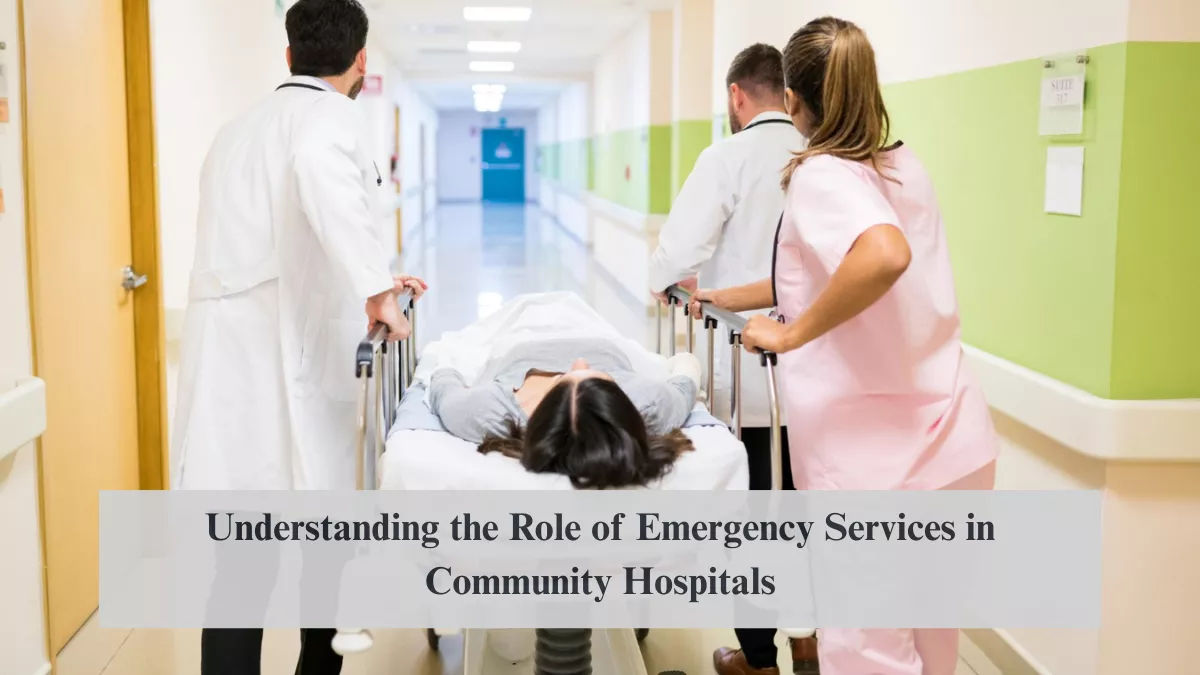
Emergency services form the backbone of community hospitals, ensuring immediate, lifesaving care when every second matters. In towns and cities across the country, community hospitals serve as the first point of contact for patients facing sudden illness, injury, or medical crisis. Their emergency departments operate around the clock, delivering rapid assessment, stabilization, and treatment for a wide range of conditions.
From heart attacks and strokes to accidents and respiratory distress, these services provide critical intervention close to home. Beyond urgent treatment, emergency services also guide patients into appropriate follow-up care, supporting long-term recovery. For many communities, especially underserved or rural areas, local emergency departments represent safety, reassurance, and trust. Understanding their role helps highlight why community hospitals remain essential to public health, resilience, and equitable access to quality emergency medical care for all residents.


The Foundation of Emergency Care in Community Hospitals
Emergency services in community hospitals are built on accessibility, readiness, and rapid response. These hospitals are strategically positioned to serve local populations, ensuring help is nearby when emergencies arise. Their emergency departments are staffed with trained physicians, nurses, and support teams skilled in urgent care delivery. Community hospitals focus on stabilizing patients quickly while determining the appropriate level of treatment required. This foundation allows them to manage a wide spectrum of cases efficiently.
From minor injuries to severe trauma, emergency teams prioritize patient safety and timely intervention. Equipment, protocols, and training are continuously updated to meet evolving healthcare standards. By offering dependable emergency care locally, community hospitals reduce delays that can worsen outcomes. Their foundational role ensures that communities have immediate access to professional medical assistance at all times.

Rapid Response and Life-Saving Interventions
Rapid response is a defining feature of emergency services in community hospitals. When patients arrive in crisis, teams are trained to act swiftly and decisively. Immediate triage assesses severity, allowing critical cases to receive urgent attention. Life-saving interventions such as airway management, cardiac monitoring, and emergency medications are initiated without delay.
This speed is crucial in conditions like heart attacks, strokes, and severe trauma. Community hospitals maintain protocols that support quick decision making and coordinated action. Emergency physicians rely on teamwork and experience to stabilize patients efficiently. Rapid response reduces complications and improves survival rates. For patients and families, knowing emergency care is nearby provides peace of mind. Community hospital emergency services ensure fast, effective treatment when moments truly matter.

Managing a Wide Range of Medical Emergencies
Community hospital emergency departments manage an extensive range of medical emergencies every day. Patients present with diverse conditions including infections, injuries, chest pain, breathing difficulties, and neurological symptoms. Emergency teams are trained to evaluate symptoms quickly and determine appropriate care pathways. Diagnostic tools such as imaging and laboratory testing support accurate assessments. Many conditions can be treated and resolved within the community hospital setting.
For more complex cases, emergency staff stabilize patients before arranging transfer. This versatility allows community hospitals to meet varied local needs effectively. Managing diverse emergencies requires adaptability and broad clinical expertise. By handling both common and critical cases, community hospitals relieve pressure on larger facilities. Their ability to address multiple emergencies strengthens healthcare systems and ensures comprehensive local care.

Supporting Trauma and Accident Care Locally
Trauma and accident care is a crucial component of emergency services in community hospitals. Motor vehicle accidents, falls, and workplace injuries frequently require immediate attention. Community emergency departments provide rapid assessment and stabilization for traumatic injuries. Trained personnel manage bleeding, fractures, and shock efficiently. Early intervention reduces the risk of long-term disability and complications.
Community hospitals often collaborate with emergency medical services to ensure seamless care from scene to hospital. When advanced trauma care is needed, patients are transferred safely after stabilization. This local trauma support saves lives by reducing transport times. Community hospitals play a vital role in accident response, protecting residents through accessible emergency trauma services close to home.

Emergency Services and Chronic Condition Crises
Emergency departments in community hospitals frequently manage crises related to chronic conditions. Patients with asthma, diabetes, heart disease, or respiratory illness may experience sudden worsening symptoms. Emergency services provide immediate treatment to stabilize these conditions. Timely intervention prevents serious complications and hospital admissions.
Community hospitals understand local population health trends, allowing tailored responses to common chronic issues. Emergency teams also educate patients on managing conditions after discharge. This support reduces repeat emergency visits. By addressing chronic condition emergencies promptly, community hospitals improve quality of life. Their role extends beyond crisis management to continuity of care. Emergency services thus serve as critical safety nets for patients with ongoing health challenges.
Coordination with Emergency Medical Services
Effective coordination with emergency medical services strengthens community hospital emergency care. Ambulance teams and first responders work closely with hospital staff to ensure smooth patient transitions. Pre-hospital communication allows emergency departments to prepare for incoming cases. This coordination improves efficiency and reduces treatment delays.
Community hospitals rely on shared protocols to manage emergencies consistently. Collaboration ensures patients receive appropriate care from the moment help is called. Emergency services within hospitals complement field response efforts. This teamwork enhances outcomes, particularly in severe cases. Community-based coordination builds trust among providers and residents. By working together seamlessly, emergency medical services and community hospitals create a reliable emergency care network.
The Role of Emergency Services in Public Health
Emergency services in community hospitals contribute significantly to public health. Emergency departments often identify emerging health trends and outbreaks. They serve as entry points for patients lacking regular healthcare access. Early detection of serious conditions supports community-wide health interventions. Emergency teams also provide vaccinations, screenings, and referrals when appropriate.
During public health emergencies, community hospitals act as response centers. Their role includes triage, treatment, and communication with health authorities. Emergency services support health equity by serving all individuals regardless of background. By integrating emergency care with public health efforts, community hospitals strengthen overall population health and preparedness.
Supporting Mental Health and Behavioral Emergencies
Mental health and behavioral emergencies are increasingly addressed within community hospital emergency departments. Patients experiencing crises require immediate, compassionate care. Emergency teams assess safety risks and provide stabilization. Community hospitals often collaborate with mental health professionals for appropriate follow-up. Early intervention reduces harm and supports recovery.
Emergency departments also connect patients to community resources and services. Addressing mental health emergencies locally reduces stigma and barriers to care. Community hospitals adapt to growing mental health needs through training and partnerships. Their role in behavioral emergency care is vital for comprehensive community health. Emergency services ensure mental health crises receive prompt, respectful medical attention.
Ensuring Preparedness and Disaster Response
Preparedness is a core responsibility of emergency services in community hospitals. These facilities plan for disasters, mass casualties, and public emergencies. Training exercises and protocols ensure readiness. Community hospitals serve as critical response centers during crises. Emergency departments coordinate with local authorities and agencies. Their preparedness protects communities during unpredictable events.
Maintaining emergency readiness requires continuous investment and planning. Community hospitals adapt resources to respond effectively under pressure. Emergency services play a central role in disaster resilience. Through preparation and coordination, community hospitals safeguard lives when large-scale emergencies occur.
Technology and Innovation in Emergency Care
Technology enhances the effectiveness of emergency services in community hospitals. Advanced diagnostics, electronic records, and monitoring tools support rapid decision making. Telemedicine allows access to specialist input when needed. Innovation improves accuracy and efficiency in emergency treatment.
Community hospitals adopt technology to expand capabilities. These tools help manage patient flow and prioritize care. Technology also supports communication across care teams. Continuous innovation ensures emergency services meet modern standards. By embracing advancements, community hospitals deliver high-quality emergency care locally. Technology strengthens their ability to respond to diverse emergencies with precision and speed.
Building Trust Through Reliable Emergency Services
Reliable emergency services build trust between community hospitals and residents. Consistent care, professionalism, and compassion reinforce confidence. Patients rely on local emergency departments during vulnerable moments. Positive experiences encourage ongoing engagement with healthcare services.
Community hospitals become symbols of safety and support. Trust strengthens community resilience and cooperation. Emergency services embody commitment to patient wellbeing. Through dependable emergency care, community hospitals maintain strong relationships with the populations they serve. Trust ensures individuals seek help promptly, improving outcomes. Emergency departments remain essential pillars of community healthcare systems.
Last Thought
Emergency services in community hospitals are vital to local health, safety, and resilience. Through rapid response, broad care capabilities, and community trust, they ensure lifesaving support is always within reach.
FAQs
What role do emergency services play in community hospitals?
They provide immediate care for urgent and life-threatening conditions.
Are community hospital emergency departments open all the time?
Yes, most operate twenty-four hours a day.
Can community hospitals handle serious emergencies?
They stabilize serious cases and arrange transfers when needed.
Do emergency services support mental health crises?
Yes, they provide assessment, stabilization, and referrals.