
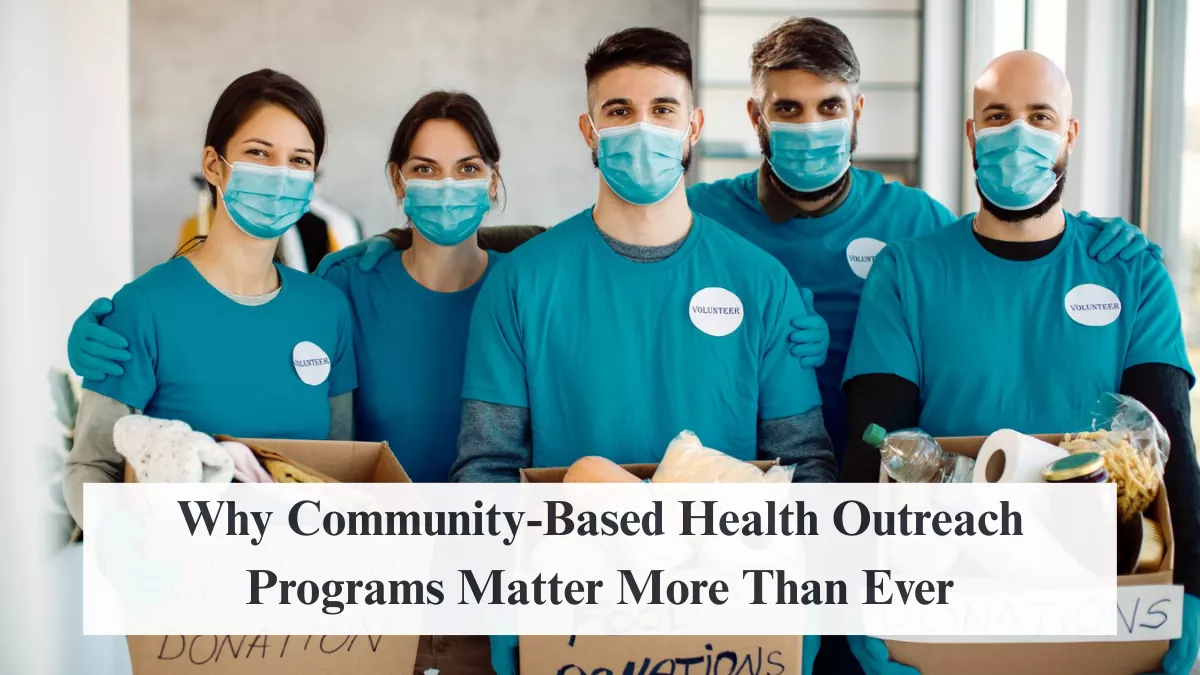
Community-based health outreach programs have become a cornerstone of modern public health, bridging the gap between formal healthcare systems and the populations they serve. In recent years, the importance of these programs has grown exponentially due to rising healthcare disparities, the emergence of chronic diseases, and the need for preventive interventions.
Unlike traditional healthcare delivery models that primarily focus on hospitals and clinics, community-based outreach programs operate within neighborhoods, schools, workplaces, and faith-based organizations. By meeting people where they are, these programs remove barriers to care, educate communities, and promote proactive health behaviors. This approach not only improves individual health outcomes but also strengthens community resilience and overall public health infrastructure.

Understanding Community-Based Health Outreach
Community-based health outreach encompasses a wide range of services aimed at improving health equity and access. Programs may include health education, vaccination campaigns, chronic disease screening, mental health support, nutrition guidance, substance use prevention, and assistance with navigating healthcare systems. These initiatives are often led by trained community health workers, volunteers, or public health professionals who are familiar with the local culture and population needs.
By emphasizing prevention and early intervention, outreach programs reduce the burden of disease and promote healthier communities over the long term. They are particularly effective in reaching underserved populations who might otherwise face obstacles to accessing traditional healthcare services.
Addressing Healthcare Disparities
Healthcare disparities remain a significant challenge in many countries, with socioeconomic, racial, and geographic factors contributing to unequal health outcomes. Community-based outreach programs are uniquely positioned to address these disparities by providing targeted interventions in high-risk areas.
By offering free screenings, educational workshops, and mobile health services, outreach initiatives ensure that vulnerable populations receive timely and appropriate care. These programs also foster trust between healthcare providers and communities, which is essential for encouraging individuals to seek preventive care and follow medical advice. Reducing disparities through outreach improves both individual and population health outcomes.
The Role of Prevention in Community Health
Prevention is a central focus of community-based health outreach programs. Preventive measures, such as immunizations, health screenings, and lifestyle education, can significantly reduce the incidence of chronic diseases like diabetes, hypertension, and cardiovascular conditions.
Outreach initiatives encourage early detection of health issues, allowing for prompt intervention and better management of conditions before they become severe. By promoting preventive behaviors, these programs lower the need for expensive emergency care and hospitalizations, thereby alleviating strain on healthcare systems. Prevention-focused outreach ensures healthier communities and reduces long-term healthcare costs.

Enhancing Access to Care
Access to healthcare remains a challenge for many individuals due to financial, logistical, or cultural barriers. Community-based outreach programs help bridge this gap by bringing services directly to the population. Mobile clinics, pop-up health stations, and home visits allow patients to receive care without traveling long distances or facing prohibitive costs.
Outreach workers also assist individuals in enrolling in insurance programs, understanding their benefits, and connecting with local clinics. By simplifying access, these programs improve the likelihood that people will receive timely medical attention, adhere to treatment plans, and maintain consistent follow-up care.

Promoting Health Education and Awareness
Education is a powerful tool in preventing disease and promoting wellness. Community-based health outreach programs provide culturally relevant education on topics such as nutrition, physical activity, sexual health, mental well being, and chronic disease management. Health educators deliver workshops, distribute printed and digital materials, and use interactive methods to engage participants. By increasing knowledge and awareness, these programs empower individuals to make informed choices about their health. Education also combats misinformation and encourages proactive engagement with healthcare services, ultimately reducing preventable health problems.
Supporting Mental Health in Communities
Mental health is an increasingly recognized component of overall well being, yet stigma and lack of access often prevent individuals from seeking care. Community-based outreach programs play a critical role in addressing mental health needs by providing counseling services, peer support groups, stress management workshops, and crisis intervention. Outreach workers can identify early signs of mental health issues and connect individuals with professional care. By normalizing mental health conversations and offering accessible support, community-based programs reduce the prevalence of untreated mental illnesses and enhance overall community resilience.
Chronic Disease Management Through Outreach
Chronic diseases such as diabetes, hypertension, and asthma require consistent monitoring and management. Community-based health outreach programs offer education on symptom recognition, medication adherence, lifestyle modifications, and self-care strategies. Regular screenings and follow-up visits ensure early detection of complications and allow patients to adjust treatments under professional guidance. By integrating chronic disease management into the community, these programs help prevent disease progression, improve quality of life, and reduce the burden on hospitals and clinics.
Empowering Vulnerable Populations
Certain populations, including the elderly, low-income families, immigrants, and people with disabilities, face heightened health risks and barriers to care. Community-based outreach programs provide targeted support for these groups. Services may include home visits, transportation assistance, language translation, and advocacy for patient rights. By addressing both medical and social determinants of health, outreach programs empower vulnerable individuals to access care, make informed health decisions, and maintain independence. This empowerment fosters greater equity and strengthens the overall health of the community.
Fostering Community Engagement and Trust
Community-based health programs rely on strong relationships between healthcare providers and local populations. Trust is cultivated through culturally sensitive practices, consistent presence, and active listening. Engaging community members in program design and delivery ensures that interventions are relevant and effective. When residents feel heard and respected, they are more likely to participate in health initiatives, share information with others, and adopt healthier behaviors. Building trust through engagement is essential for sustaining long-term public health improvements.
Responding to Public Health Crises
Community-based health outreach programs have proven invaluable during public health emergencies such as pandemics, natural disasters, and environmental hazards. Outreach workers can disseminate accurate information, coordinate vaccination campaigns, and provide essential supplies to affected populations. By operating at the grassroots level, these programs ensure that critical interventions reach those most in need. Rapid, community-focused responses help contain disease outbreaks, reduce morbidity and mortality, and maintain public confidence in health systems.
Integrating Social Services With Health Care
Health outcomes are influenced not only by medical care but also by social and environmental factors. Community-based outreach programs integrate social services such as food assistance, housing support, transportation, and employment resources with health interventions. Addressing these social determinants of health ensures that patients can follow care recommendations and maintain healthy lifestyles. This holistic approach improves recovery, reduces hospital readmissions, and promotes long-term wellness.
Leveraging Technology in Community Outreach
Technology enhances the reach and effectiveness of community-based health programs. Mobile applications, telehealth consultations, electronic health records, and online educational resources allow outreach workers to track patient progress, deliver care remotely, and communicate efficiently with healthcare providers. Digital platforms also enable health campaigns to reach broader audiences, disseminate accurate information, and facilitate follow up. By combining technology with personal engagement, outreach programs maximize impact and improve health outcomes.
Collaborating With Local Organizations
Partnerships with local organizations, schools, faith-based institutions, and businesses strengthen community-based outreach efforts. These collaborations provide access to trusted venues, volunteers, and resources that extend the reach of health programs. Community partners help identify at-risk populations, disseminate health information, and encourage participation. Collaborative approaches enhance program effectiveness, build community capacity, and ensure sustainability over time.
Measuring Impact and Improving Programs
Assessment and evaluation are essential for ensuring that community-based health outreach programs achieve their objectives. Data on participation rates, health outcomes, behavior changes, and patient satisfaction inform program adjustments. Continuous monitoring allows for targeted improvements, resource allocation, and evidence-based decision making. By measuring impact, programs can demonstrate value, secure funding, and expand services to meet evolving community needs.
Reducing Healthcare Costs Through Prevention
Community-based outreach programs reduce healthcare costs by preventing illness, promoting early intervention, and managing chronic conditions effectively. Preventive services reduce emergency room visits, hospitalizations, and long-term treatment expenses. Education and support empower individuals to adopt healthier lifestyles, decreasing the prevalence of costly diseases. Investing in community outreach is therefore both a public health strategy and an economic imperative, benefiting individuals, families, and healthcare systems.
Building Health Literacy
Health literacy—the ability to understand and use health information—is critical for effective self-care and informed decision making. Community-based programs provide education tailored to varying literacy levels, cultural contexts, and language needs. Outreach workers teach patients how to navigate healthcare systems, interpret medical advice, and make informed choices. Improved health literacy enhances adherence to treatment plans, reduces preventable complications, and strengthens the capacity of communities to manage their own health.
Supporting Long-Term Behavior Change
Sustainable improvements in public health require lasting behavior changes, such as increased physical activity, better nutrition, regular screenings, and adherence to medication regimens. Community-based outreach programs provide ongoing support through follow-up visits, peer support groups, educational workshops, and motivational counseling. Continuous engagement reinforces positive behaviors and helps individuals overcome challenges, leading to long-term health benefits and reduced disease burden.
Encouraging Equity and Inclusion in Health Care
Health equity is a fundamental principle of community-based outreach programs. By targeting marginalized populations and tailoring interventions to meet diverse needs, these programs promote inclusion and equal access to care. Efforts to address systemic barriers, reduce discrimination, and provide culturally competent services ensure that all individuals have the opportunity to achieve optimal health. Equity-focused outreach strengthens social cohesion and enhances the overall resilience of communities.
The Future of Community-Based Health Outreach
As healthcare systems evolve, the role of community-based health outreach programs will continue to grow. Emerging challenges such as aging populations, chronic disease epidemics, climate-related health risks, and technological disruptions demand innovative, localized approaches.
Integrating community outreach with primary care, public health initiatives, and digital health solutions will be essential for meeting these challenges. Future programs will likely emphasize interdisciplinary collaboration, data-driven decision making, and scalable models that can adapt to diverse community needs.
Conclusion
Community-based health outreach programs are more important than ever in today’s complex healthcare landscape. By addressing healthcare disparities, promoting prevention, enhancing access, and supporting vulnerable populations, these programs improve individual and community health outcomes. They foster trust, empower residents with knowledge, integrate social and medical services, and provide a safety net during public health crises.
As chronic diseases rise, populations age, and health inequities persist, investing in community-based outreach remains a critical strategy for creating healthier, more resilient societies. By prioritizing localized, culturally sensitive, and preventive interventions, healthcare systems can ensure that all individuals have the opportunity to achieve optimal health, reducing the burden on hospitals while strengthening communities for generations to come.