
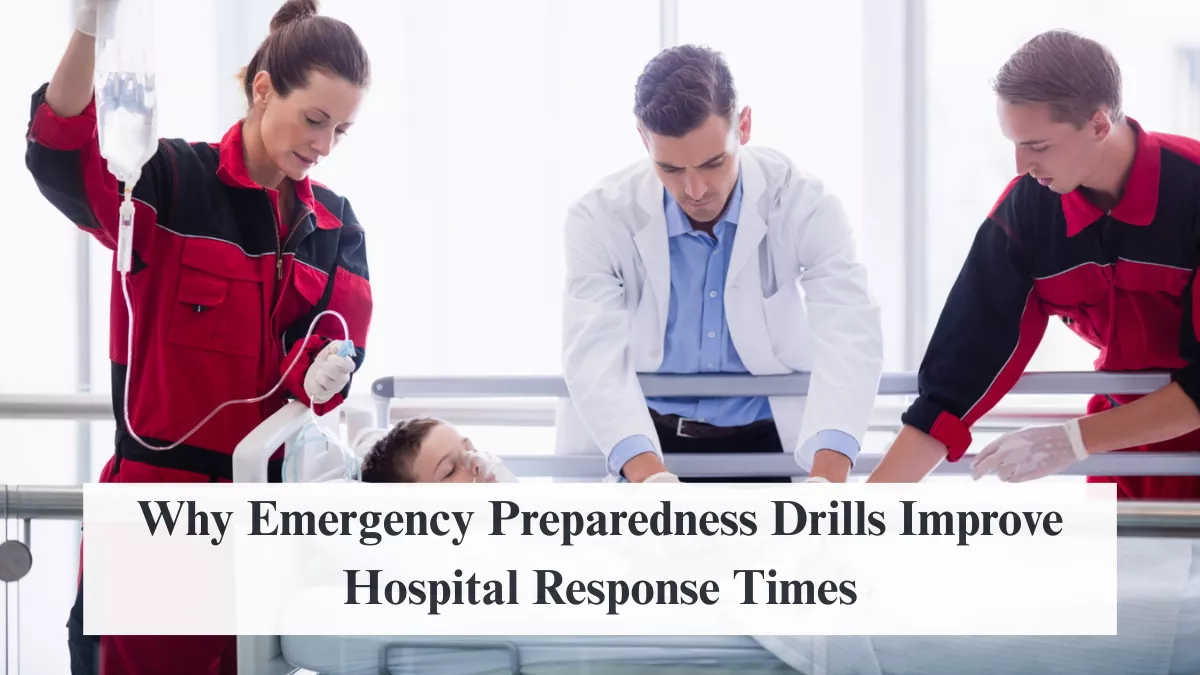
Hospitals serve as critical infrastructure in any community, providing life-saving care during routine operations and extraordinary events alike. Emergency situations, ranging from natural disasters to mass casualty incidents, require rapid, coordinated responses to save lives and minimize harm.
Emergency preparedness drills are a fundamental component of hospital readiness, enabling staff to practice protocols, identify weaknesses, and enhance operational efficiency. These exercises improve response times by simulating real-world scenarios, ensuring that teams can act decisively when actual emergencies occur. Preparedness drills also promote communication, teamwork, and adaptability, all essential qualities for effective hospital operations under pressure. By continuously testing systems and processes, hospitals refine their response strategies and increase resilience.


Understanding Emergency Preparedness Drills
Emergency preparedness drills are structured simulations that replicate potential crisis situations in a controlled environment. Drills can be full-scale exercises involving multiple departments, or tabletop simulations focusing on decision-making and coordination. The primary purpose is to test hospital protocols, evaluate staff readiness, and identify areas for improvement. Scenarios may include natural disasters, chemical spills, mass casualty events, infectious disease outbreaks, and internal emergencies such as fires or power outages.
Drills involve physicians, nurses, administrative staff, security personnel, and support teams, creating realistic conditions for practicing rapid response. Hospitals conduct these exercises regularly to maintain a culture of preparedness and reinforce the importance of timely, coordinated action during emergencies.

Improving Staff Familiarity With Protocols
One of the main benefits of emergency preparedness drills is enhancing staff familiarity with hospital protocols. In high-stress situations, staff may struggle to recall procedures accurately, which can delay critical interventions. Drills provide hands-on experience, allowing personnel to practice step-by-step protocols, understand their roles, and recognize potential pitfalls.
Repeated practice builds muscle memory, enabling staff to act quickly and confidently during real emergencies. Familiarity with protocols reduces hesitation, improves decision-making, and ultimately shortens response times, ensuring patients receive timely care.

Enhancing Communication and Coordination
Effective communication is essential during hospital emergencies. Emergency drills simulate the fast-paced environment of crises, requiring staff to communicate clearly and coordinate actions across multiple departments. Hospitals use drills to test communication channels, clarify reporting lines, and evaluate the effectiveness of messaging systems.
Real-time exercises highlight communication gaps and help teams develop strategies to prevent misunderstandings. Improved coordination between physicians, nurses, administrative staff, and support personnel leads to smoother operations, faster triage, and efficient deployment of resources, all of which contribute to reduced response times.
Identifying and Correcting System Weaknesses
Emergency preparedness drills serve as a diagnostic tool for hospitals to identify system weaknesses. Equipment failures, unclear procedures, bottlenecks in patient flow, and logistical gaps often become apparent during simulations. Hospitals analyze drill outcomes to address these deficiencies before real emergencies occur.
Corrective measures may include updating protocols, replacing or maintaining equipment, reallocating resources, or enhancing staff training. Proactive identification and correction of weaknesses improve hospital efficiency and response times, ensuring that emergencies are handled effectively.

Promoting Teamwork and Role Clarity
Teamwork is critical during emergency situations. Preparedness drills help staff understand their individual responsibilities and how their actions contribute to overall response efforts. Exercises clarify roles, foster collaboration, and build trust among team members.
Staff learn to anticipate each other’s needs, delegate tasks efficiently, and work cohesively under pressure. Enhanced teamwork reduces delays caused by confusion or duplicated efforts and accelerates critical interventions. By promoting role clarity, drills create a structured approach to emergency management, optimizing response times and patient outcomes.
Testing Resource Availability and Allocation
Drills also evaluate the availability and allocation of hospital resources, including medical supplies, equipment, and personnel. Hospitals simulate scenarios to determine whether resources can meet demand during high-stress events. For example, drills may test the rapid mobilization of trauma teams, ventilators, or blood supplies.
By identifying potential shortages or logistical challenges, hospitals can develop contingency plans and streamline processes. Efficient resource management ensures that care delivery is not delayed during emergencies, directly improving response times and patient survival rates.
Improving Triage Efficiency
Triage is a critical component of emergency response, particularly in mass casualty incidents. Preparedness drills allow staff to practice triage procedures, prioritizing patients based on severity of injury or illness. Simulation exercises enable personnel to evaluate and refine triage protocols, ensuring accurate assessment under pressure.
Efficient triage minimizes delays in treatment, reduces overcrowding, and ensures that critically ill patients receive immediate attention. Drills enhance both speed and accuracy in triage, contributing significantly to improved hospital response times.
Integrating Technology in Drills
Modern hospitals rely on technology for effective emergency response. Preparedness drills provide an opportunity to test electronic health records, alert systems, communication devices, and patient tracking software under realistic conditions. Hospitals can identify technical limitations, ensure interoperability of systems, and train staff to use technology efficiently. Technological readiness reduces delays caused by system failures or miscommunication, improving overall response efficiency.
Integration of technology in drills enhances situational awareness and allows real-time monitoring of patient care during emergencies.
Enhancing Decision-Making Under Pressure
Emergencies often require rapid decision-making in complex and dynamic environments. Drills create realistic stress conditions that challenge staff to make timely, evidence-based decisions. Practicing under pressure helps develop critical thinking skills and confidence, reducing hesitation during actual crises.
Decision-making efficiency impacts response times, resource utilization, and patient outcomes. Hospitals that regularly conduct drills cultivate a workforce capable of quick, informed action when emergencies occur, improving operational readiness and patient safety.
Supporting Psychological Preparedness
Emergency situations are inherently stressful and can affect staff performance. Drills help staff develop psychological resilience, providing exposure to simulated high-pressure conditions. Familiarity with stressful scenarios reduces anxiety, enhances focus, and promotes calm decision-making during real events.
Hospitals may also offer debriefing sessions and stress management resources following drills to reinforce mental preparedness. Staff who are psychologically prepared are better equipped to respond efficiently, minimizing delays and errors that could compromise patient care.
Continuous Improvement Through Debriefing
Debriefing is a vital component of emergency preparedness drills. After each exercise, hospitals conduct structured reviews to discuss successes, challenges, and areas for improvement. Feedback from staff provides insights into operational gaps, communication issues, and procedural deficiencies.
Hospitals use these findings to update protocols, refine training, and enhance overall preparedness. Continuous improvement ensures that lessons learned during drills translate into real-world performance gains, ultimately improving response times during actual emergencies.
Interdepartmental Coordination and Collaboration
Emergencies often require collaboration across multiple departments, including emergency medicine, surgery, radiology, laboratory services, and administration. Preparedness drills facilitate interdepartmental coordination, ensuring that each team understands its role and communicates effectively.
Cross-department exercises reveal dependencies, streamline workflows, and prevent delays caused by misalignment. Hospitals that emphasize interdepartmental collaboration in drills can mobilize resources faster and deliver coordinated care more efficiently, enhancing overall response performance.
Community Engagement and Public Awareness
Hospital preparedness extends beyond internal operations. Outreach programs and community drills educate the public on emergency procedures, evacuation routes, and the importance of vaccination or preventive care. Engaging communities enhances cooperation during emergencies, reduces confusion, and allows hospitals to focus on clinical care rather than crowd management. Public awareness campaigns also reinforce the hospital’s role as a trusted authority, encouraging timely utilization of services and contributing to faster emergency response outcomes.
Scenario-Based Training and Realism
The realism of emergency drills is critical for their effectiveness. Hospitals design scenarios that closely mimic actual crises, including simulated injuries, environmental hazards, and equipment malfunctions. Realistic drills challenge staff to adapt to unexpected complications, improving problem-solving skills and operational agility. The more closely drills replicate real emergencies, the better prepared staff are to respond effectively, reducing response times and minimizing errors.
Regulatory Compliance and Accreditation
Emergency preparedness drills also support regulatory compliance and accreditation standards. Hospitals must meet guidelines set by organizations such as The Joint Commission, CMS, and local health authorities. Drills demonstrate compliance with emergency management requirements, document staff competencies, and provide evidence of operational readiness. Meeting these standards ensures that hospitals are legally prepared to respond to crises and reinforces a culture of continuous improvement.
Addressing Multi-Casualty and Mass Disasters
Mass casualty incidents pose unique challenges, requiring rapid triage, resource allocation, and coordination. Drills simulate these high-stakes scenarios to test hospital readiness for large-scale emergencies. Staff practice prioritization, patient flow management, and inter-agency coordination. Hospitals refine protocols for handling surges in patient volume, ensuring that critical cases receive timely care. Preparedness for mass disasters directly impacts response times and patient outcomes, demonstrating the value of regular drills.
Integration With Local Emergency Services
Hospitals rarely operate in isolation during emergencies. Coordination with local fire departments, police, EMS, and public health agencies is essential. Preparedness drills often include external partners to practice communication, patient transport, and resource sharing. These integrated exercises improve interoperability, reduce delays in care, and ensure that hospitals and external responders work seamlessly during actual emergencies. Integration enhances overall community resilience and emergency response effectiveness.
Evaluating Equipment Readiness
Emergency response depends on functioning medical equipment, from ventilators and monitors to surgical tools and PPE. Drills provide an opportunity to test equipment availability, functionality, and accessibility. Identifying equipment issues during drills prevents delays during real events. Hospitals also assess inventory management, ensuring that supplies are adequately stocked and easily retrievable. Proper equipment readiness supports faster interventions, contributing directly to improved response times.
Training for Rare but Critical Events
Certain emergencies, such as chemical spills, infectious disease outbreaks, or structural disasters, are rare but high-impact. Preparedness drills allow staff to practice these low-frequency, high-risk scenarios. Training for rare events ensures that personnel are not caught off guard and can respond efficiently when the unexpected occurs. Hospitals that regularly simulate critical events improve staff confidence, decision-making, and operational speed.
Fostering a Culture of Preparedness
Regular emergency drills foster a hospital-wide culture of preparedness. Staff develop a mindset that prioritizes vigilance, proactive planning, and teamwork. This culture reinforces the importance of rapid, coordinated responses and encourages continuous learning. A preparedness-oriented culture ensures that hospital personnel are always ready to act efficiently, further reducing response times and improving patient safety.
Conclusion: Drills as a Lifesaving Strategy
Emergency preparedness drills are essential for hospitals seeking to improve response times and optimize patient outcomes during crises. By simulating real-world scenarios, hospitals test protocols, train staff, and refine coordination across departments. Drills enhance familiarity with procedures, improve communication, identify system weaknesses, and strengthen decision-making under pressure. They also promote psychological resilience, integrate technology, and ensure regulatory compliance.
When combined with community engagement and inter-agency collaboration, preparedness drills build a resilient healthcare system capable of responding swiftly and effectively to emergencies. Regular exercises save lives by ensuring that hospitals operate efficiently and decisively when every second counts. In essence, emergency preparedness drills transform theoretical plans into actionable readiness, directly improving response times and enhancing the quality of care provided during critical situations.