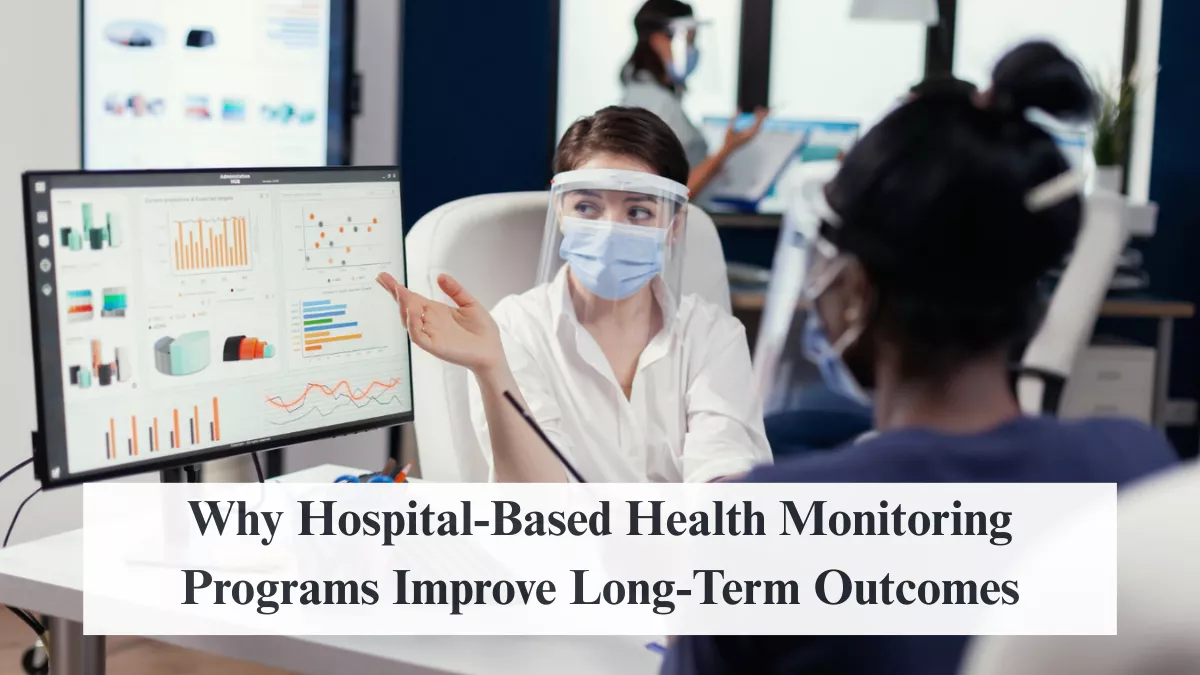
Healthcare systems worldwide are shifting from reactive treatment models to proactive, preventive approaches that focus on long-term wellness. Hospital-based health monitoring programs represent a critical part of this transformation. These programs continuously track patient health indicators, identify risks early, and support timely interventions. Instead of waiting for conditions to worsen, hospitals actively monitor patients to prevent complications and hospital readmissions. This approach improves quality of life, reduces healthcare costs, and strengthens patient engagement.
By combining clinical expertise, technology, and coordinated care, hospital-based monitoring programs enhance long-term outcomes across diverse patient populations. Their growing adoption reflects a commitment to sustained health management rather than episodic care.
 How Community Hospitals Are Using AI to Improve Diagnostic Accuracy
Understanding Hospital-Based Health Monitoring Programs
Hospital-based health monitoring programs involve structured systems that track patient health data over time. These programs may include in-hospital monitoring, remote patient monitoring, wearable devices, and digital health platforms. Data such as vital signs, medication adherence, physical activity, and symptom progression are collected and reviewed by healthcare professionals.
Monitoring programs are designed to support patients with chronic conditions, post-surgical recovery, or high-risk health profiles. By maintaining continuous oversight, hospitals can detect changes early and respond quickly. This consistent monitoring creates a safety net that improves clinical decision-making and patient outcomes.
 The Role of Local Medical Centers in Promoting Heart Health Awareness
Early Detection of Health Deterioration
One of the most significant benefits of health monitoring programs is early detection of health deterioration. Subtle changes in vital signs or symptoms can indicate worsening conditions long before patients recognize serious issues. Hospital-based monitoring allows clinicians to identify these trends and intervene promptly.
Early detection prevents complications, reduces emergency visits, and improves recovery trajectories. Patients benefit from timely adjustments to treatment plans, medications, or lifestyle recommendations. Early intervention not only saves lives but also minimizes the physical and emotional burden associated with advanced illness.
 How Mobile Clinics Are Expanding Healthcare Access in Underserved Areas
Improved Management of Chronic Diseases
Chronic diseases such as diabetes, heart disease, and respiratory conditions require consistent management to prevent complications. Hospital-based monitoring programs provide ongoing oversight that supports disease control. Patients receive regular feedback on their health metrics, encouraging adherence to treatment plans. Clinicians use monitoring data to adjust therapies based on real-time needs.
This continuous loop of observation and response leads to better disease stability and fewer acute episodes. Improved chronic disease management enhances long-term outcomes and supports patient independence.
 Why Hospital-Based Exercise Programs Improve Patient Recovery Rates
Reducing Hospital Readmissions
Hospital readmissions are costly and often preventable. Monitoring programs play a critical role in reducing readmission rates by ensuring continuity of care after discharge. Patients transitioning from hospital to home are closely monitored for warning signs such as infection, medication issues, or symptom recurrence.
Care teams intervene quickly if problems arise, preventing unnecessary rehospitalization. Reduced readmissions improve patient satisfaction and ease pressure on healthcare systems. Hospital-based monitoring strengthens post-discharge support and promotes safer recovery.
 How Community Hospitals Are Supporting Nutrition and Lifestyle Education
Enhancing Medication Adherence
Medication nonadherence is a common barrier to effective treatment. Health monitoring programs support adherence by tracking medication usage and identifying missed doses. Some programs include reminders, digital tracking, or pharmacist oversight. Clinicians can address barriers such as side effects or confusion about instructions.
Improved adherence leads to better disease control and fewer complications. Monitoring programs ensure that medications achieve their intended benefits, contributing to improved long-term outcomes.
Personalized Care Through Data Insights
Monitoring programs generate valuable data that enable personalized care. Clinicians analyze trends to understand individual patient responses to treatment. Personalized insights allow adjustments tailored to specific needs, lifestyles, and risk profiles. This individualized approach improves effectiveness and patient satisfaction.
Rather than applying generalized treatment plans, hospitals deliver care that evolves with the patient. Personalized monitoring supports precision medicine and enhances long-term health outcomes.
Strengthening Patient Engagement and Accountability
Patient engagement is essential for long-term health success. Monitoring programs encourage active participation by making patients aware of their health metrics. Patients who track progress feel more accountable and motivated to maintain healthy behaviors. Education and feedback reinforce positive habits and prompt timely action when issues arise. Engaged patients are more likely to adhere to treatment plans and attend follow-up appointments. Strengthened engagement fosters partnership between patients and healthcare providers.
Supporting Preventive Care Strategies
Preventive care focuses on avoiding illness rather than treating advanced disease. Hospital-based monitoring programs support prevention by identifying risk factors early. Regular monitoring highlights trends such as rising blood pressure or weight gain that may lead to chronic conditions. Preventive interventions can be introduced before serious complications develop. This proactive approach improves population health and reduces long-term healthcare costs. Monitoring programs align closely with preventive care goals.
Improving Post-Surgical Recovery
Post-surgical recovery requires close observation to detect complications. Hospital-based monitoring programs track recovery indicators such as pain levels, mobility, and wound healing. Early identification of issues allows prompt treatment, reducing recovery time and complications. Patients feel reassured knowing their recovery is being monitored. Improved recovery outcomes lead to better long-term health and reduced healthcare utilization. Monitoring programs enhance surgical success and patient confidence.
Enhancing Care Coordination Across Teams
Effective care coordination is essential for managing complex health needs. Monitoring programs facilitate communication among multidisciplinary teams by providing shared access to patient data. Physicians, nurses, pharmacists, and specialists collaborate more effectively with real-time information. Coordinated care reduces duplication, errors, and gaps in treatment. Improved coordination leads to consistent care delivery and better outcomes. Hospital-based monitoring strengthens teamwork and continuity.
Addressing Social Determinants of Health
Social factors such as housing, nutrition, and access to care influence health outcomes. Monitoring programs help identify social barriers that affect patient health. Care teams can connect patients with community resources and support services. Addressing social determinants improves adherence and overall well-being. Holistic monitoring acknowledges that health extends beyond clinical settings. This comprehensive approach enhances long-term outcomes.
Leveraging Technology for Continuous Monitoring
Advancements in technology have expanded monitoring capabilities. Wearable devices, remote sensors, and mobile applications provide continuous data collection. Hospital-based platforms integrate this information into electronic health records. Technology enables real-time alerts and remote interventions. Patients benefit from convenience and reduced need for frequent clinic visits. Leveraging technology enhances efficiency and scalability of monitoring programs.
Improving Outcomes for Aging Populations
Aging populations face increased health risks and chronic conditions. Monitoring programs support older adults by tracking functional status, vital signs, and medication use. Early intervention prevents falls, complications, and hospitalizations. Seniors benefit from extended independence and improved quality of life. Hospital-based monitoring addresses the unique needs of aging populations effectively.
Supporting Mental and Behavioral Health
Mental health conditions often require ongoing monitoring to prevent crises. Monitoring programs track mood changes, medication adherence, and behavioral patterns. Early detection of deterioration enables timely support. Integrating mental health monitoring reduces stigma and improves access. Comprehensive programs address both physical and mental well-being. Improved mental health outcomes contribute to overall long-term health.
Reducing Healthcare Costs Over Time
While monitoring programs require investment, they reduce long-term costs by preventing complications and hospitalizations. Early interventions are less expensive than emergency care. Improved disease management lowers utilization of high-cost services. Cost savings benefit patients, providers, and healthcare systems. Financial sustainability supports continued program expansion.
Enhancing Patient Safety
Patient safety improves when health changes are detected early. Monitoring programs reduce medication errors, complications, and adverse events. Real-time data allows rapid response to safety concerns. Patients feel more secure knowing they are being monitored. Enhanced safety leads to trust and better engagement. Hospital-based monitoring prioritizes proactive risk management.
Encouraging Lifestyle Modifications
Monitoring programs support lifestyle changes by tracking behaviors such as activity levels and diet. Feedback helps patients understand the impact of habits on health. Clinicians provide targeted guidance based on data. Sustained lifestyle improvements reduce disease risk and enhance longevity. Monitoring reinforces positive behavior change.
Measuring Long-Term Outcomes Effectively
Continuous monitoring provides reliable data to measure long-term outcomes. Hospitals evaluate trends in disease control, readmissions, and patient satisfaction. Data-driven evaluation informs program improvement. Measuring outcomes ensures accountability and effectiveness. Evidence supports continued investment in monitoring initiatives.
Challenges in Implementing Monitoring Programs
Despite benefits, challenges exist in implementing monitoring programs. Barriers include technology access, data privacy concerns, and patient engagement. Hospitals address challenges through education, support, and secure systems. Clear protocols ensure effective use of data. Overcoming challenges strengthens program success.
Future Innovations in Health Monitoring
Future monitoring programs will integrate artificial intelligence and predictive analytics. These tools will identify risks earlier and personalize interventions further. Expansion of remote monitoring will increase access. Innovation will continue to enhance effectiveness and reach. The future promises smarter, more responsive healthcare.
Conclusion
Hospital-based health monitoring programs significantly improve long-term outcomes by enabling early detection, personalized care, and continuous support. They enhance chronic disease management, reduce readmissions, and promote preventive care.
Through technology, coordination, and patient engagement, these programs transform healthcare delivery. As systems evolve, monitoring programs will remain essential for sustainable, patient-centered care. Their impact extends beyond immediate treatment, fostering healthier lives and stronger healthcare systems.