
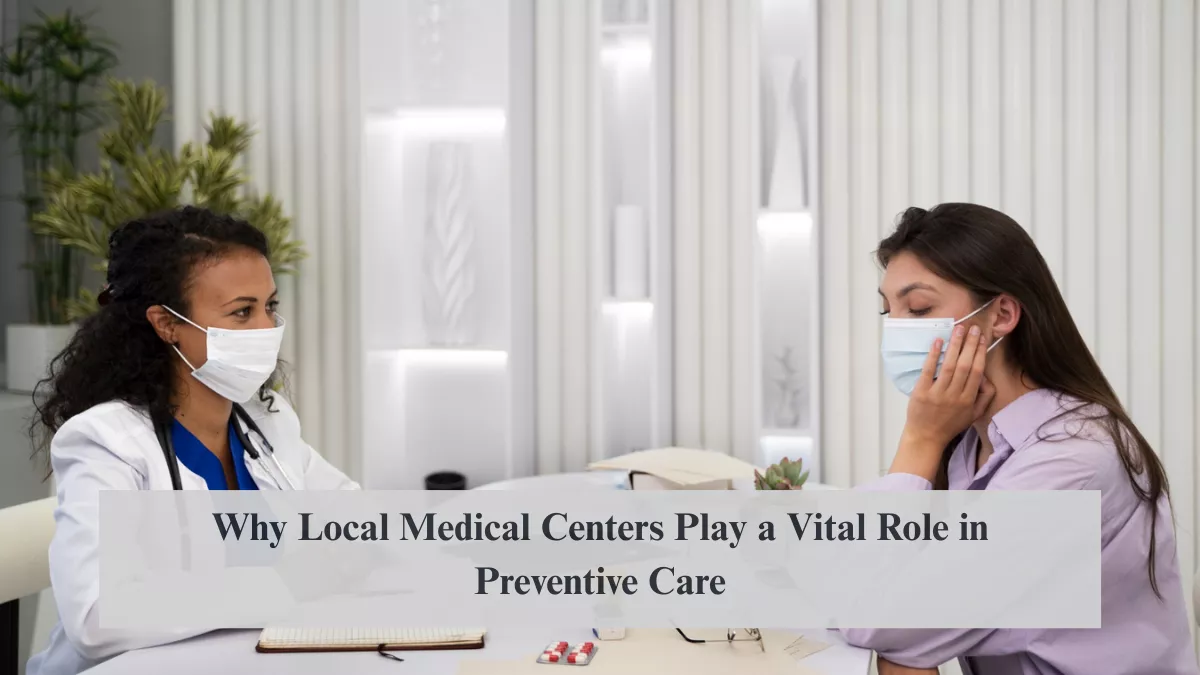
Preventive care is the cornerstone of a healthier society, and local medical centers play an essential role in making prevention practical and accessible for everyday patients. By operating within the communities they serve, these centers encourage people to seek regular checkups, screenings, and wellness guidance before serious illness develops. Preventive care focuses on identifying risks early, managing health proactively, and reducing long-term medical complications. Local medical centers understand community lifestyles, environmental factors, and common health challenges, allowing them to deliver targeted and relevant preventive services.
Familiar settings and trusted providers reduce fear and hesitation, helping patients view healthcare as a routine part of life rather than a last resort. When prevention is convenient and personal, individuals are more likely to participate consistently. As healthcare costs rise and chronic diseases increase, the preventive role of local medical centers becomes increasingly vital. Their commitment to early action strengthens individuals, families, and entire communities over time.

Preventive Care as a Foundation of Health
Preventive care forms the foundation of long-term health, and local medical centers are key providers of these essential services. Regular checkups, screenings, and vaccinations help detect potential health concerns before symptoms appear. Early identification allows providers to intervene promptly, reducing complications and improving outcomes.
Local medical centers make preventive care approachable by offering familiar environments and consistent provider relationships. Patients feel more comfortable discussing concerns and following recommendations when they trust their care team. Preventive services also help reduce the burden on hospitals by minimizing emergency visits and advanced disease treatment.

Through blood pressure checks, cholesterol monitoring, and cancer screenings, local centers promote early awareness and proactive management. This approach shifts healthcare from reaction to prevention. By embedding preventive care into routine visits, local medical centers normalize healthy behaviors and empower patients to protect their well-being, strengthening overall community health and resilience.
Accessibility Encourages Early Prevention
Accessibility is one of the strongest reasons local medical centers play a vital role in preventive care. When healthcare services are close to home, patients are far more likely to attend routine appointments and screenings. Long travel distances, transportation challenges, and time constraints often discourage preventive visits. Local medical centers remove these obstacles by offering care within neighborhoods and nearby communities. Easy access encourages early detection of health issues, allowing treatment to begin before conditions worsen.

This is especially important for seniors, families, and individuals with mobility limitations. Accessibility also promotes consistency, helping patients maintain preventive schedules. Over time, regular preventive visits lead to better health outcomes and reduced healthcare costs. By making care convenient, local medical centers transform prevention from an occasional effort into a manageable habit. Accessibility ensures preventive healthcare becomes part of daily life rather than an afterthought.
Trust Built Through Long-Term Relationships
Trust is essential for effective preventive care, and local medical centers excel at building lasting patient relationships. When patients see familiar providers regularly, communication becomes open and honest. Providers gain a deeper understanding of personal histories, family risks, and lifestyle factors that influence prevention.
This continuity allows for more accurate recommendations and personalized guidance. Patients who trust their providers are more likely to follow preventive advice and attend screenings. Trust also reduces anxiety around medical visits, encouraging early participation in care. Local medical centers often employ staff who live in the same community, strengthening emotional connections. These relationships create accountability and shared responsibility for health. Preventive care becomes a collaborative effort rather than a directive.
By fostering trust through consistency and familiarity, local medical centers create environments where patients feel supported, respected, and motivated to prioritize preventive health practices.

Personalized Preventive Health Planning
Local medical centers are uniquely positioned to deliver personalized preventive care tailored to individual needs. Unlike large systems with limited interaction time, local centers can adjust prevention plans based on age, family history, occupation, and lifestyle. Personalized care improves relevance and engagement, increasing patient adherence.
Providers can recommend appropriate screenings, lifestyle changes, and follow-up schedules that fit real-life circumstances. Local knowledge also allows providers to address community-specific risks such as environmental exposures or regional health trends. This targeted approach improves early detection and prevention effectiveness. Patients feel valued when care reflects their unique situation rather than generic advice.
Personalized preventive planning encourages long-term participation and accountability. By adapting prevention strategies to individual needs, local medical centers improve outcomes while reinforcing patient confidence. This individualized focus demonstrates how preventive care becomes more impactful when delivered through close, community-based healthcare relationships.
Preventive Screenings and Early Detection
Preventive screenings are a powerful tool for reducing serious illness, and local medical centers make them easier to access. Screenings for cancer, heart disease, diabetes, and other conditions often detect problems before symptoms arise. Early detection leads to more treatment options and improved survival rates. Local medical centers encourage participation by offering convenient scheduling and trusted environments.
Patients are more likely to complete screenings when they feel comfortable and supported. Routine reminders and follow-up care ensure results are addressed promptly. Preventive screenings also reduce healthcare costs by avoiding advanced treatments and emergency interventions.
Community-based providers understand which screenings are most relevant for their population, allowing focused outreach. By normalizing screenings as routine care, local medical centers promote proactive health behavior. This consistent approach saves lives by identifying disease early and enabling timely medical intervention.
Health Education as Prevention
Health education is a vital preventive tool, and local medical centers serve as trusted sources of reliable information. Providers educate patients about nutrition, physical activity, mental health, and disease prevention during regular visits. Education empowers individuals to make informed choices outside clinical settings.
Local medical centers often offer workshops, counseling, and outreach programs tailored to community needs. Clear, culturally appropriate education improves understanding and adherence. When patients understand the reasons behind preventive recommendations, they are more likely to follow them. Education also combats misinformation that can discourage preventive care. Ongoing guidance reinforces healthy habits over time.
By integrating education into everyday healthcare, prevention becomes a shared responsibility. Local medical centers strengthen community health literacy, ensuring individuals feel confident managing their well-being. Through education, preventive care extends beyond appointments into daily life, creating sustainable, long-term health improvements.
Managing Chronic Conditions Proactively
Preventive care is essential for managing chronic conditions, and local medical centers play a central role in proactive management. Conditions such as diabetes, hypertension, and asthma require regular monitoring to prevent complications. Local centers provide convenient access for ongoing checkups and adjustments. Preventive management reduces hospitalizations and emergency visits by addressing issues early. Providers build long-term relationships that support consistent monitoring and lifestyle guidance.
Education helps patients understand warning signs and maintain treatment adherence. Local accessibility makes frequent visits more feasible, improving condition stability. Preventive care for chronic illness improves quality of life and independence. Coordinated services ensure continuity across care stages. By focusing on prevention rather than crisis response, local medical centers help patients maintain control over chronic conditions. This proactive approach demonstrates how accessible preventive care directly improves long-term health outcomes and reduces healthcare system strain.
Supporting Family Preventive Care
Local medical centers play a vital role in preventive care for families by supporting health across all life stages. Pediatric vaccinations, developmental screenings, and wellness visits establish healthy habits early. Adult preventive care includes screenings, counseling, and lifestyle support that promote sustained wellness. Family-centered care allows providers to identify shared genetic or environmental risks.
Coordinated appointments improve convenience for busy households. Children benefit from familiar environments that reduce fear of medical visits. Parents receive guidance on nutrition, safety, and mental health. Preventive care delivered locally strengthens family engagement and accountability. By supporting families holistically, local medical centers encourage prevention as a shared value. This comprehensive approach improves long-term outcomes and builds healthier generations. When families view preventive care as routine, communities become stronger. Local medical centers ensure preventive services remain accessible, consistent, and supportive for every family member.
Community Outreach and Awareness
Community outreach strengthens preventive care by extending services beyond clinic walls. Local medical centers organize health fairs, screenings, and educational events to reach underserved populations. Outreach reduces barriers such as cost, fear, and lack of information. Partnerships with schools, workplaces, and community organizations expand awareness.
These programs identify undiagnosed conditions and connect individuals to ongoing care. Community engagement builds trust and encourages participation in preventive services. Outreach allows providers to address local health challenges with targeted education. Preventive care becomes more inclusive when it reaches people where they live and work. Local medical centers serve as health advocates within the community.
By promoting awareness and access, outreach programs improve early detection and prevention. This proactive engagement ensures preventive care benefits a wider population, reducing disparities and strengthening overall community health outcomes.
Reducing Costs Through Prevention
Preventive care significantly reduces healthcare costs, and local medical centers are key contributors to this benefit. Early detection prevents expensive treatments and hospital admissions. Preventive services are typically more affordable than emergency interventions.
Local centers also reduce indirect costs such as travel and lost work time. Financial accessibility encourages consistent preventive visits. Lower healthcare spending benefits individuals, insurers, and healthcare systems. Prevention also minimizes productivity loss caused by untreated illness. Cost savings allow reinvestment into improved services and technology.
By focusing on prevention, local medical centers help create sustainable healthcare models. Preventive care reduces strain on hospitals and emergency departments. This cost-effective approach demonstrates that investing in prevention yields long-term financial and health benefits. Local medical centers show how accessible preventive care supports economic stability while improving population health and ensuring healthcare resources are used efficiently.
The Future of Preventive Care
The future of healthcare depends heavily on preventive care, and local medical centers will continue leading this effort. As chronic diseases rise, early intervention becomes increasingly important. Local centers are adaptable, allowing rapid response to emerging health trends. Telehealth, digital monitoring, and data-driven prevention expand access further. Local medical centers integrate innovation while maintaining personal relationships. Prevention delivered locally builds trust and resilience.
Community-based care ensures healthcare remains proactive rather than reactive. As healthcare systems evolve, prevention will remain central to sustainability. Local medical centers are positioned to guide this transformation by combining accessibility, education, and personalized care. Their role in preventive healthcare will continue growing as communities seek long-term wellness solutions. The success of prevention relies on strong local foundations that prioritize early action, engagement, and lifelong health support.
Last Thought
Local medical centers play a vital role in preventive care by making healthcare accessible, trusted, and proactive. Through education, early detection, and personalized support, they help individuals maintain health rather than manage disease. Their community connections remove barriers and encourage lifelong preventive habits. Strengthening prevention locally improves outcomes, reduces costs, and builds healthier, more resilient communities for the future.
FAQs
What is preventive care?
Preventive care focuses on avoiding illness through screenings, checkups, and healthy lifestyle guidance.
Why are local medical centers important for prevention?
They provide accessible, trusted, and personalized preventive services close to home.
Does preventive care reduce healthcare costs?
Yes, early detection and routine care lower long-term treatment and emergency costs.
Who benefits most from preventive care?
Everyone benefits, especially families, seniors, and individuals with chronic conditions.