
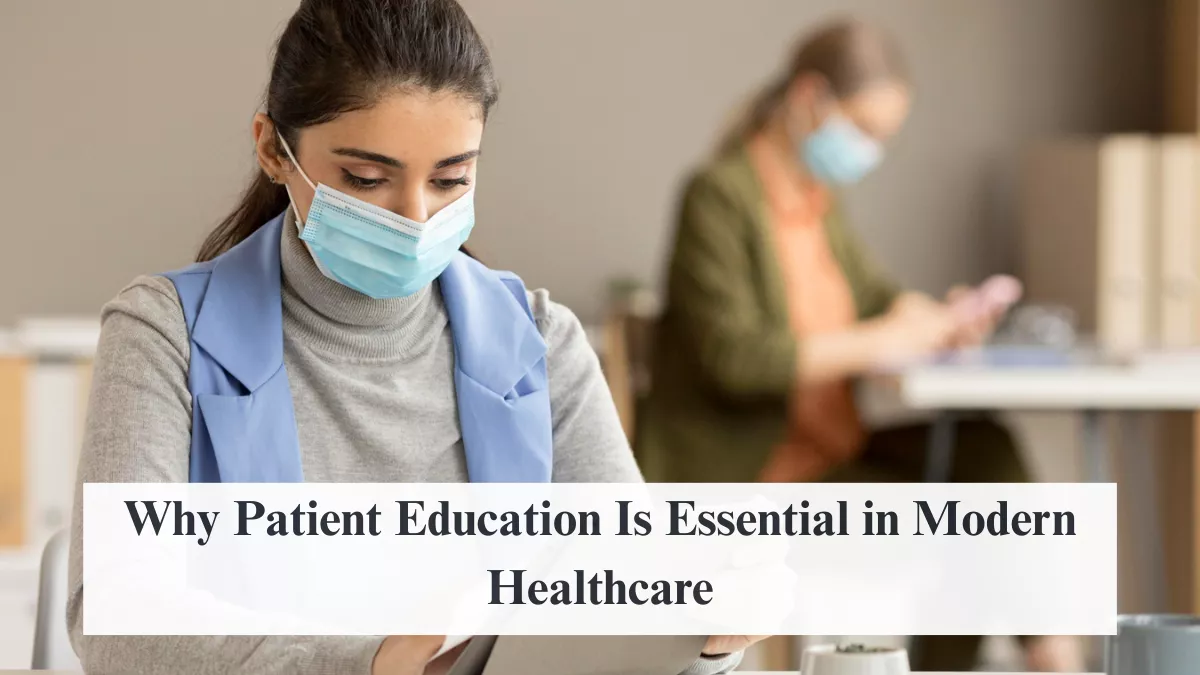
In modern healthcare, patient education has emerged as a cornerstone for improving outcomes, promoting safety, and enhancing the overall patient experience. Informed patients are empowered to participate actively in their care, make better health decisions, and follow treatment plans accurately.
Healthcare has become increasingly complex with new technologies, medications, and treatment protocols, making education essential to bridge the knowledge gap between providers and patients. By understanding their conditions, medications, and lifestyle adjustments, patients can reduce complications and improve recovery times. Hospitals and clinics that invest in patient education programs foster stronger relationships between providers and patients, encouraging trust and adherence.

Education also supports preventive care, chronic disease management, and mental well-being, contributing to sustainable healthcare outcomes. When patients comprehend their roles in managing their health, they become active partners rather than passive recipients, ultimately leading to healthier communities and more efficient healthcare systems overall.
Empowering Patients Through Knowledge
Patient education empowers individuals to take control of their health by providing the knowledge necessary to understand diagnoses, treatment options, and potential outcomes. Patients who are well-informed feel confident in making decisions and managing their care effectively.

Healthcare providers deliver information in understandable language, visual aids, and interactive formats to ensure comprehension. Educated patients are more likely to recognize warning signs, adhere to medications, and adopt healthier lifestyles. Empowerment through knowledge improves engagement and accountability, reducing the likelihood of complications or hospital readmissions. Patients equipped with information can ask meaningful questions, participate actively in shared decision-making, and gain a sense of autonomy, fostering better emotional and psychological well-being alongside physical health.
Improving Treatment Adherence
A critical component of patient education is ensuring that patients adhere to prescribed treatment plans. Understanding the importance, purpose, and timing of medications and therapies increases compliance.

When patients are aware of the risks associated with non-adherence, they are more likely to follow instructions accurately. Education helps clarify misconceptions, reduces fear, and addresses potential barriers. Improved adherence leads to better health outcomes, reduced hospitalizations, and enhanced quality of life. Patients who understand their treatment plans also experience fewer complications, making chronic disease management more manageable. Healthcare systems benefit when educated patients follow protocols efficiently, creating a positive cycle of better outcomes and reduced healthcare costs.
Supporting Preventive Health Measures
Patient education promotes preventive care by informing individuals about risk factors, screenings, and lifestyle changes that can prevent disease. Understanding the importance of vaccinations, annual checkups, and regular screenings empowers patients to take proactive steps toward wellness.
Healthcare providers guide patients on nutrition, exercise, and behavior modifications that minimize disease risk. Preventive education reduces the incidence of serious illnesses, lowers healthcare costs, and improves community health. Informed patients are more likely to engage in early detection and timely interventions, which significantly impacts long-term health outcomes. Preventive education fosters responsibility and encourages patients to actively monitor and maintain their health, rather than reacting solely to illnesses as they arise.
Enhancing Chronic Disease Management
Patients with chronic conditions benefit significantly from targeted education about their illnesses. Understanding disease progression, treatment options, and lifestyle adjustments allows individuals to manage conditions like diabetes, hypertension, or asthma effectively.

Education programs teach patients how to monitor symptoms, track medications, and recognize complications early. Self-management reduces hospitalizations, prevents disease exacerbations, and improves daily functioning. Patients gain confidence and independence when they understand their responsibilities and the tools available to maintain their health. Empowered patients are more engaged in their care, fostering collaboration with healthcare providers and strengthening long-term outcomes in managing chronic conditions.
Reducing Medical Errors
Patient education is a vital strategy for minimizing medical errors. Patients who understand instructions, medications, and potential side effects are less likely to experience preventable mistakes.
Clear guidance on medication schedules, dosages, and lifestyle restrictions helps patients comply accurately. Educated patients can identify discrepancies, ask questions, and report adverse reactions promptly. Reducing errors not only protects patients but also enhances trust in the healthcare system. Hospitals that emphasize patient understanding improve safety, reduce emergency visits, and foster a culture of accountability. Patient vigilance, supported by education, becomes an essential line of defense in ensuring high-quality, safe care.
Enhancing Patient Engagement and Satisfaction
When patients are educated, they actively participate in their care, resulting in greater engagement and satisfaction. Understanding treatment goals, options, and expected outcomes strengthens collaboration between patients and healthcare providers.
Engaged patients feel valued and involved, which improves adherence and motivation. Hospitals that provide structured education programs experience higher patient satisfaction scores and more effective treatment outcomes. Educated patients are more likely to follow recommendations, attend appointments, and communicate openly with providers. Engagement nurtures a sense of partnership, creating an environment where patients and clinicians work together toward shared health goals and better overall outcomes.
Supporting Mental and Emotional Well-Being
Patient education addresses not only physical health but also mental and emotional well-being. Knowledge reduces anxiety and fear by clarifying treatment processes, potential outcomes, and coping strategies.
Understanding a health condition empowers patients to manage stress and make informed decisions, which reduces uncertainty and promotes psychological resilience. Healthcare providers offer guidance on lifestyle adjustments, stress management, and emotional support. Patients with increased awareness report higher confidence, less anxiety, and improved mental health, which in turn supports physical recovery and treatment adherence. Educating patients about mental health resources also encourages early intervention, strengthening holistic care.
Promoting Health Literacy in the Community
Education initiatives at healthcare facilities contribute to broader community health literacy. Patients who learn about diseases, preventive measures, and treatment options can share knowledge with family and friends, creating a ripple effect of awareness.
Community programs, workshops, and public seminars extend education beyond individual patients. Increased health literacy enhances early detection, healthy lifestyle adoption, and informed decision-making across the community. Educated communities experience lower rates of preventable diseases and better engagement with healthcare services. Hospitals that invest in public education strengthen social support networks and encourage collective responsibility for wellness, creating healthier populations and reducing healthcare system burdens.
Facilitating Shared Decision-Making
Patient education is essential for shared decision-making, a modern healthcare approach emphasizing collaboration between patients and providers. Knowledgeable patients can evaluate risks, benefits, and alternatives effectively, contributing to personalized care.
Understanding their conditions allows patients to express preferences, ask informed questions, and participate actively in treatment planning. Shared decision-making improves adherence, satisfaction, and outcomes. Educated patients feel empowered and respected, which fosters trust in the healthcare team. Collaboration ensures that treatment aligns with patient values, lifestyles, and goals, ultimately leading to more effective and sustainable healthcare practices.
Leveraging Technology for Education
Modern healthcare increasingly relies on digital platforms to educate patients. Community hospitals, clinics, and telehealth services use mobile apps, online portals, and educational videos to provide accessible, personalized guidance.
Technology allows patients to access information anytime, monitor progress, and communicate with providers efficiently. Digital education tools improve understanding of medications, procedures, and lifestyle changes. Patients who engage with technological resources feel more supported and capable of managing their care. Incorporating technology into education expands reach, enhances convenience, and reinforces traditional in-person guidance, ensuring that knowledge is continuously available and integrated into everyday healthcare practices.
Encouraging Preventive Behavior Changes
Education motivates patients to adopt preventive behaviors that reduce risk and improve long-term health outcomes. By understanding the impact of diet, exercise, and habits on disease progression, patients are more likely to make sustainable lifestyle changes.
Healthcare providers guide patients on realistic, achievable goals, creating personalized plans for improvement. Knowledge of potential consequences fosters accountability and informed choices. Education empowers patients to take proactive measures, from smoking cessation to weight management, resulting in measurable health improvements. Encouraging preventive behaviors strengthens individual wellness and contributes to broader public health objectives, demonstrating the value of patient education as a proactive tool in modern healthcare.
Conclusion
Patient education is no longer optional but an essential component of modern healthcare. By providing knowledge, resources, and guidance, healthcare providers empower patients to participate actively in their care, reduce medical errors, and improve treatment adherence. Education supports chronic disease management, preventive care, mental well-being, and shared decision-making. It also fosters community health literacy, engages patients in long-term wellness strategies, and encourages sustainable behavioral changes.
Hospitals that prioritize education experience higher patient satisfaction, improved outcomes, and stronger patient-provider relationships. The integration of technology further enhances access and personalization, allowing patients to remain informed anytime. Ultimately, patient education transforms healthcare delivery from a provider-driven model into a collaborative, patient-centered approach, ensuring that individuals are empowered, communities are healthier, and healthcare systems are more effective and sustainable.
FAQs
Why is patient education important in healthcare?
It empowers patients to understand their health, make informed decisions, and manage conditions effectively.
How does patient education improve treatment adherence?
Patients who understand medications and care plans follow instructions accurately, reducing complications.
Can patient education reduce hospital visits?
Yes, informed patients recognize symptoms early, manage conditions, and prevent emergencies.
How do hospitals provide patient education?
Through workshops, counseling, digital tools, visual aids, and personalized guidance.