
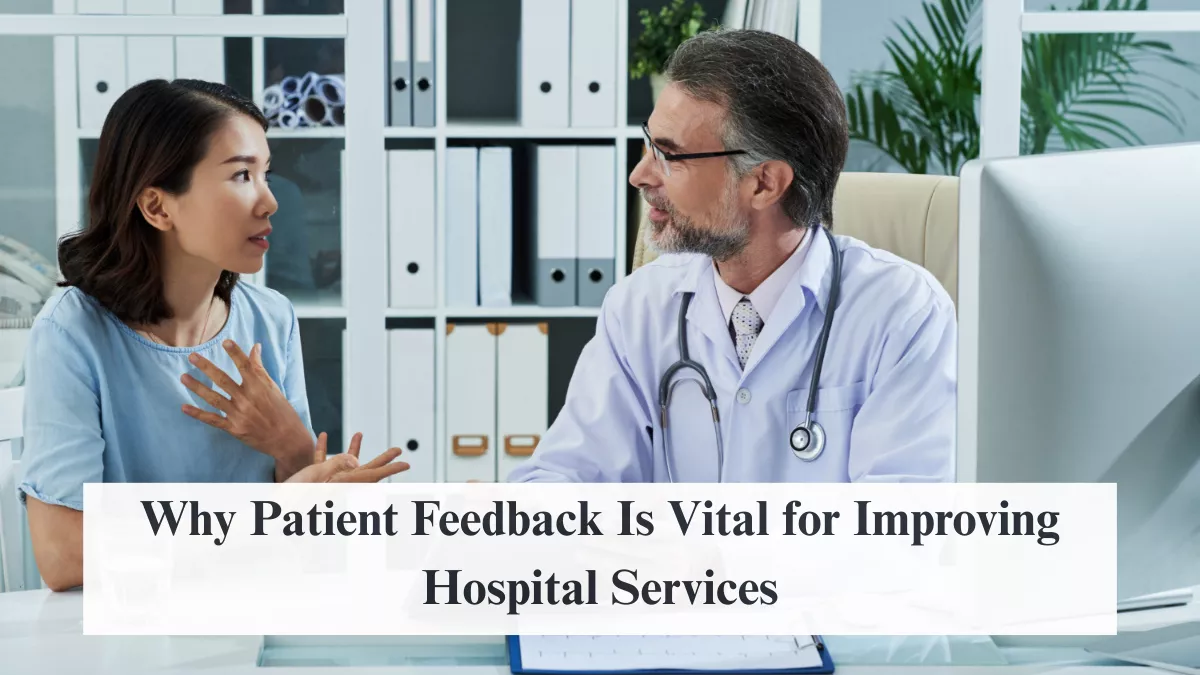
Patient feedback has become an essential tool for enhancing hospital services, ensuring that healthcare delivery aligns with patient needs and expectations. Hospitals that actively seek and respond to feedback create environments that prioritize quality, safety, and patient satisfaction. Feedback can take many forms, including surveys, suggestion boxes, digital platforms, and direct communication during and after care.
By analyzing patient experiences, hospitals gain insights into areas such as waiting times, staff responsiveness, treatment effectiveness, and overall comfort. Implementing changes based on feedback improves operational efficiency, fosters trust, and enhances the patient experience. Additionally, feedback encourages accountability, transparency, and continuous improvement across departments. This article explores why patient feedback is vital for improving hospital services, examining its impact on service quality, staff performance, patient safety, communication, technology integration, and long-term community trust, emphasizing the central role of patients in shaping modern healthcare.


Enhancing Service Quality
Patient feedback provides valuable insights into the quality of care delivered by hospitals. By listening to patients, hospitals can identify strengths and weaknesses in service delivery, including appointment scheduling, staff behavior, cleanliness, and treatment efficiency. Surveys and online reviews offer detailed perspectives on patient satisfaction, highlighting areas that require improvement.
Incorporating these insights into hospital management allows administrators to design targeted strategies to enhance service quality, from streamlining processes to improving bedside manners. Regular feedback analysis ensures hospitals remain responsive to patient expectations, creating a culture of continuous improvement. Patient-centered adjustments, such as reducing wait times or improving pain management, directly enhance the care experience. Hospitals that prioritize service quality through feedback demonstrate commitment to excellence, which strengthens patient trust, increases loyalty, and encourages repeat visits, ultimately contributing to better health outcomes and positive community perception.

Improving Staff Performance
Patient feedback serves as a critical tool for evaluating and enhancing staff performance in hospitals. Patients’ observations about professionalism, communication, empathy, and responsiveness provide direct insights into how staff interact with those under their care.
Constructive feedback highlights areas where staff excel and areas needing improvement, allowing management to implement tailored training programs and mentorship initiatives. Regular feedback fosters a culture of accountability, encouraging staff to uphold high standards consistently. Positive reinforcement based on commendations boosts morale, while targeted interventions improve patient-facing skills and operational efficiency. Engaging staff in feedback analysis encourages self-reflection and professional growth. By connecting patient experiences to staff performance, hospitals can enhance overall service quality, reduce errors, and ensure that employees consistently meet or exceed patient expectations, creating an environment that prioritizes excellence and compassion in healthcare delivery.

Strengthening Patient Safety
Patient safety is a core aspect of hospital services that is significantly enhanced through feedback. Patients often notice safety concerns that may go unnoticed by staff, such as medication errors, hygiene lapses, or equipment malfunctions. Reporting these observations allows hospitals to take corrective measures, reducing the risk of harm and improving outcomes. Feedback mechanisms encourage patients and families to participate actively in safety monitoring, promoting a culture of vigilance and accountability.
Hospitals can analyze recurring feedback patterns to identify systemic issues, implement safety protocols, and prevent adverse events. Engaging patients in safety initiatives ensures that hospitals maintain high standards of care while fostering transparency. By incorporating patient perspectives, healthcare facilities can strengthen protocols, reduce preventable errors, and create a safer, more reliable environment for both patients and staff.

Enhancing Communication
Effective communication between patients and healthcare providers is essential for quality care, and feedback plays a pivotal role in improving it. Patients often highlight areas where information was unclear, insufficient, or confusing, such as medication instructions, treatment plans, or discharge processes.
Hospitals can use these insights to enhance verbal explanations, provide clearer written materials, and implement standardized communication protocols. Feedback also helps identify language barriers, cultural sensitivities, and accessibility issues, allowing institutions to offer interpretation services or educational resources. Improved communication reduces misunderstandings, enhances patient compliance, and fosters trust between patients and staff. By integrating feedback into communication strategies, hospitals ensure that patients feel heard, informed, and empowered in their care decisions, which directly contributes to better health outcomes and satisfaction levels.

Informing Technology Integration
Patient feedback is invaluable for guiding technology integration in hospitals. Digital tools, electronic health records, appointment scheduling apps, and telemedicine platforms must meet patient needs to be effective. Feedback highlights usability issues, accessibility challenges, and areas where technology may enhance convenience or safety. Hospitals can adapt digital interfaces, streamline online processes, and optimize patient portals based on user experiences, improving satisfaction and operational efficiency.
Feedback also informs decisions about investing in new technology, ensuring resources are allocated effectively. By aligning technological solutions with patient expectations, hospitals enhance engagement, reduce errors, and improve service delivery. Continuous feedback loops allow hospitals to monitor technology performance, adapt to evolving digital trends, and maintain high standards of care while ensuring that technological innovations truly benefit patients.
Facilitating Continuous Improvement
Continuous improvement is a fundamental principle in healthcare, and patient feedback is a driving force behind it. Hospitals that consistently collect and analyze feedback can identify patterns, evaluate interventions, and implement meaningful changes. Feedback informs quality improvement initiatives, such as streamlining processes, enhancing clinical protocols, or redesigning patient experiences.
By involving patients in the evaluation of services, hospitals create a collaborative environment that encourages innovation and accountability. Continuous improvement based on real-world experiences ensures that healthcare facilities remain responsive, efficient, and patient-focused. Regularly revisiting feedback also enables hospitals to measure the effectiveness of implemented changes, promoting a cycle of learning and enhancement that elevates the overall standard of care while fostering a culture of excellence.
Encouraging Community Trust
Patient feedback strengthens community trust by demonstrating that hospitals value and act on the experiences of those they serve. When patients see tangible improvements resulting from their input, confidence in hospital services increases, fostering loyalty and engagement. Trust encourages timely healthcare seeking, adherence to treatment plans, and participation in preventive programs.
Hospitals that maintain open channels for feedback signal transparency, accountability, and responsiveness, reinforcing their role as reliable healthcare providers. Community trust also influences reputation, patient retention, and word-of-mouth referrals, creating a positive cycle of engagement and service improvement. By actively listening to and acting on feedback, hospitals build stronger connections with the populations they serve, creating partnerships that benefit both patients and providers while enhancing overall healthcare outcomes.
Supporting Policy and Strategic Planning
Patient feedback provides critical insights that inform hospital policies and strategic planning. Administrators use patient experiences to shape guidelines, allocate resources, and prioritize initiatives that directly impact care quality and satisfaction. Feedback highlights areas needing investment, such as staff training, facility upgrades, or technological adoption, ensuring policies address real needs.
It also identifies gaps in access, communication, and service delivery, guiding long-term planning. By integrating patient perspectives into decision-making, hospitals develop strategies that are both evidence-based and patient-centered. Feedback-driven policies improve operational efficiency, reduce complaints, and enhance healthcare outcomes. Strategic planning informed by patient insights ensures that hospitals remain agile, responsive, and aligned with community expectations, fostering sustainable growth and maintaining a competitive advantage in the healthcare landscape.
Last Thought
Patient feedback is an indispensable resource for improving hospital services, providing insights that enhance quality, safety, and satisfaction. By informing staff performance, service delivery, communication, technology integration, and strategic planning, feedback ensures that hospitals remain patient-centered and responsive. Engaging with patient experiences fosters trust, accountability, and continuous improvement while strengthening community relationships. Hospitals that value feedback create safer, more efficient, and compassionate care environments, ultimately improving health outcomes and public confidence.
Listening to patients transforms healthcare delivery, ensuring that services evolve to meet expectations while addressing gaps. Feedback is more than opinion; it is a vital tool that empowers patients, guides staff, and shapes policies, demonstrating that the collective voice of the community is essential for advancing modern hospital care.
FAQs
Why is patient feedback important for hospitals?
It helps identify service gaps, improve care quality, and enhance patient satisfaction while fostering trust and accountability.
How does feedback improve staff performance?
Feedback highlights strengths and areas for improvement, guiding training, recognition, and professional development initiatives.
Can patient feedback enhance safety?
Yes, it identifies potential hazards, hygiene issues, and errors, allowing hospitals to implement preventive measures.
How does feedback influence hospital policy?
It informs strategic planning, resource allocation, and quality improvement initiatives, ensuring policies meet patient needs.