
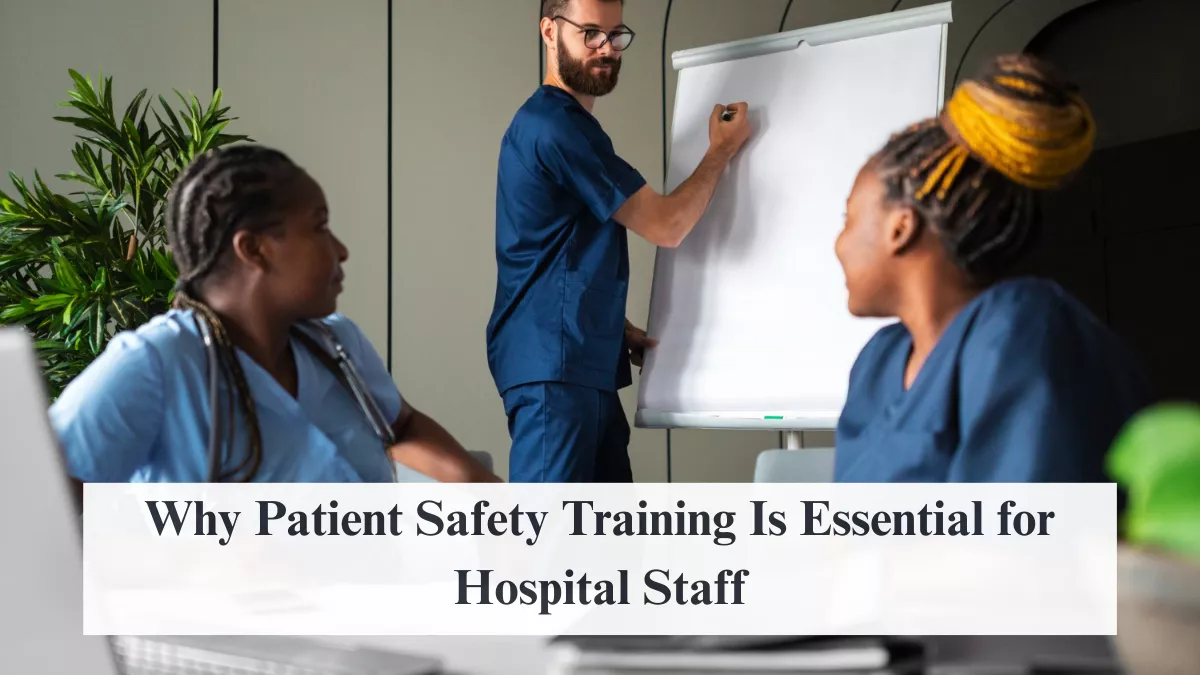
Patient safety is the cornerstone of effective healthcare delivery and a fundamental responsibility of every hospital. Each interaction between hospital staff and patients carries the potential to heal, but also the risk of harm if safety is compromised. Medical errors, preventable infections, falls, and communication failures continue to be major challenges in healthcare systems worldwide.
Patient safety training equips hospital staff with the knowledge, skills, and awareness needed to minimize these risks. It ensures that safety principles are embedded into daily clinical practice rather than treated as an afterthought. As healthcare environments become more complex, with advanced technologies and higher patient acuity, consistent and comprehensive safety training becomes essential. Hospitals that prioritize patient safety training create cultures where vigilance, accountability, and continuous improvement guide every decision, ultimately protecting patients and improving outcomes.

Understanding Patient Safety in Hospital Settings
Patient safety refers to the prevention of errors and adverse events associated with healthcare delivery. In hospital settings, patient safety encompasses medication accuracy, infection prevention, proper use of equipment, clear communication, and adherence to clinical protocols.
Safety is influenced by both individual actions and system-level processes. Without adequate training, staff may unknowingly engage in practices that increase risk. Patient safety training provides a shared understanding of hazards, responsibilities, and best practices. It aligns staff across departments, ensuring that safety expectations are consistent. When hospital employees understand how their roles affect patient safety, they are better prepared to identify risks and take preventive action.
Reducing Medical Errors Through Training
Medical errors are a leading cause of patient harm and are often preventable with proper education. Patient safety training teaches staff how errors occur and how to avoid them. Training focuses on correct medication administration, accurate documentation, and adherence to standardized procedures.
Simulation-based learning allows staff to practice responding to high-risk scenarios in controlled environments. By understanding error-prone situations, hospital workers become more cautious and systematic in their approach. Reducing medical errors not only protects patients but also builds confidence among staff and strengthens the overall quality of care.

Promoting a Culture of Safety
A strong safety culture is one in which all staff feel responsible for patient wellbeing. Patient safety training plays a key role in shaping this culture by reinforcing shared values and behaviors. Training encourages open communication, teamwork, and mutual respect. Staff learn that reporting safety concerns is a positive action rather than a source of blame. When safety becomes a collective priority, employees are more likely to speak up about risks and near misses.
A culture of safety reduces complacency and fosters continuous improvement throughout the hospital.
Improving Communication Among Healthcare Teams
Communication failures are a common cause of patient safety incidents. Patient safety training emphasizes clear, structured communication among healthcare professionals. Staff learn standardized handoff techniques, documentation practices, and verbal communication strategies.
Effective communication ensures that critical information is shared accurately during transitions of care. Training also highlights the importance of listening and confirming understanding. Improved communication reduces misunderstandings, supports teamwork, and ensures continuity of care across departments.

Enhancing Infection Prevention Practices
Hospital-acquired infections pose serious risks to patients and increase healthcare costs. Patient safety training educates staff on infection prevention protocols, including hand hygiene, sterilization, and isolation procedures. Training reinforces the importance of compliance with established guidelines.
By understanding how infections spread and how to prevent them, staff contribute to safer environments. Consistent training ensures that infection control practices are applied uniformly across the hospital, protecting both patients and healthcare workers.
Ensuring Safe Medication Management
Medication errors can have severe consequences for patients. Patient safety training provides guidance on prescribing, dispensing, administering, and monitoring medications safely. Staff learn to recognize high-risk medications, follow double-check procedures, and identify potential drug interactions.
Training also emphasizes accurate medication reconciliation during admissions and discharges. Safe medication practices reduce adverse drug events and improve treatment effectiveness. Educated staff are better equipped to manage complex medication regimens safely.
Preparing Staff for Emergency Situations
Hospitals must be prepared to respond to emergencies quickly and effectively. Patient safety training includes emergency preparedness and response protocols. Staff learn how to act during medical emergencies, disasters, and unexpected system failures. Simulation drills help reinforce correct actions under pressure.
Prepared staff respond confidently and efficiently, minimizing harm during critical situations. Emergency preparedness training enhances patient safety by ensuring coordinated and timely responses.
Reducing Patient Falls and Physical Injuries
Patient falls are a common safety concern in hospitals, particularly among elderly and vulnerable patients. Patient safety training teaches staff how to assess fall risks and implement preventive measures. Training covers safe patient handling, environmental safety, and proper use of assistive devices. Staff learn to recognize warning signs and intervene proactively. Reducing falls protects patients from injury and supports faster recovery. Training ensures that prevention strategies are consistently applied across all units.
Supporting Accurate Use of Medical Equipment
Modern hospitals rely on advanced medical equipment to deliver care. Improper use of equipment can lead to serious patient harm. Patient safety training ensures that staff are competent in operating and maintaining devices. Training covers equipment checks, troubleshooting, and safe usage guidelines. Competent equipment use reduces technical errors and improves treatment outcomes. Ongoing training keeps staff updated as technology evolves.
Encouraging Reporting and Learning From Errors
Learning from errors is essential for improving patient safety. Patient safety training encourages staff to report incidents and near misses without fear of punishment. Training emphasizes the value of transparency and learning rather than blame. Reported data helps hospitals identify systemic issues and implement preventive measures. A learning-oriented approach transforms mistakes into opportunities for improvement. Reporting culture strengthens safety systems and prevents recurrence of harm.
Standardizing Care Practices Across Departments
Variation in care practices can lead to inconsistent outcomes and increased risk. Patient safety training promotes standardization through evidence-based protocols and guidelines. Staff across departments learn to follow consistent procedures. Standardization reduces confusion and supports reliable care delivery. When everyone follows the same safety standards, patients receive predictable and high-quality care regardless of location.
Improving Compliance With Regulations and Standards
Hospitals must comply with regulatory and accreditation requirements related to patient safety. Patient safety training ensures staff understand these standards and their responsibilities. Training reinforces ethical practices, legal compliance, and professional accountability. Compliance protects patients and organizations from harm. Educated staff help hospitals meet external requirements while maintaining internal quality goals.
Enhancing Patient Trust and Confidence
Patients trust hospitals to provide safe care. Visible commitment to patient safety training reassures patients and families. When staff demonstrate competence and attention to safety, patients feel more confident in their care. Trust enhances communication and cooperation between patients and providers. Training indirectly improves patient satisfaction by fostering reliable and compassionate care environments.
Supporting Interdisciplinary Collaboration
Patient care often involves multiple disciplines working together. Patient safety training encourages collaboration and mutual understanding among team members. Interdisciplinary training sessions promote shared goals and coordinated actions. Collaboration reduces fragmentation and improves care continuity. Teams that train together perform more effectively and safely.
Addressing Human Factors and Fatigue
Human factors such as fatigue, stress, and workload influence safety. Patient safety training raises awareness of these risks and teaches strategies to manage them. Staff learn to recognize signs of fatigue and seek support when needed. Addressing human factors reduces errors and supports staff wellbeing. Training promotes safer working conditions and sustainable performance.
Supporting Continuous Quality Improvement
Patient safety training is not a one-time event but an ongoing process. Continuous education supports quality improvement initiatives by reinforcing best practices. Training ensures that improvements are sustained over time. Staff remain engaged in identifying risks and implementing solutions. Continuous learning drives long-term safety enhancements.
Adapting to Changing Healthcare Environments
Healthcare is constantly evolving, introducing new technologies, treatments, and challenges. Patient safety training helps staff adapt to change safely. Ongoing education ensures that new practices are implemented correctly. Adaptability reduces transitional risks and supports innovation. Training prepares staff to navigate complexity while maintaining safety.
Protecting Healthcare Workers Alongside Patients
Patient safety is closely linked to staff safety. Training addresses occupational hazards such as exposure to infections and injuries. Protecting staff ensures continuity of care and reduces burnout. Safe staff environments contribute to better patient outcomes. Training reinforces mutual protection and responsibility.
Improving Outcomes for Vulnerable Populations
Certain patients face higher safety risks due to age, disability, or illness. Patient safety training teaches staff how to identify and protect vulnerable populations. Tailored safety measures reduce harm and promote equity. Training ensures that care is inclusive and responsive to individual needs.
Enhancing Documentation and Information Accuracy
Accurate documentation is critical for patient safety. Training emphasizes correct recordkeeping and information sharing. Clear documentation supports continuity and decision-making. Errors in records can lead to serious harm. Training reduces documentation-related risks and supports safe care.
Encouraging Accountability and Professionalism
Patient safety training reinforces accountability at all levels. Staff learn that safety is part of professional responsibility. Accountability fosters diligence and ethical behavior. Training aligns individual actions with organizational values. Professionalism strengthens trust and care quality.
Building Resilience in Healthcare Teams
Resilience enables teams to respond effectively to challenges. Patient safety training builds resilience through preparedness and confidence. Trained teams recover quickly from setbacks and maintain safety under pressure. Resilience supports consistent performance in demanding environments.
Integrating Safety Into Daily Workflows
Safety must be integrated into everyday practice. Patient safety training teaches staff to embed safety checks into routines. Integration reduces reliance on memory and increases reliability. Safety becomes habitual rather than exceptional. Training supports sustainable safety practices.
Conclusion: Patient Safety Training as a Healthcare Imperative
Patient safety training is essential for protecting patients, supporting staff, and maintaining healthcare quality. Through education, hospitals reduce errors, enhance communication, and build cultures of safety. Training empowers staff to act confidently and responsibly in complex environments.
Continuous investment in patient safety training ensures that safety remains a priority despite evolving challenges. Hospitals that prioritize training demonstrate commitment to excellence, trust, and compassionate care. Ultimately, patient safety training is not optional but fundamental to delivering reliable, ethical, and effective healthcare.