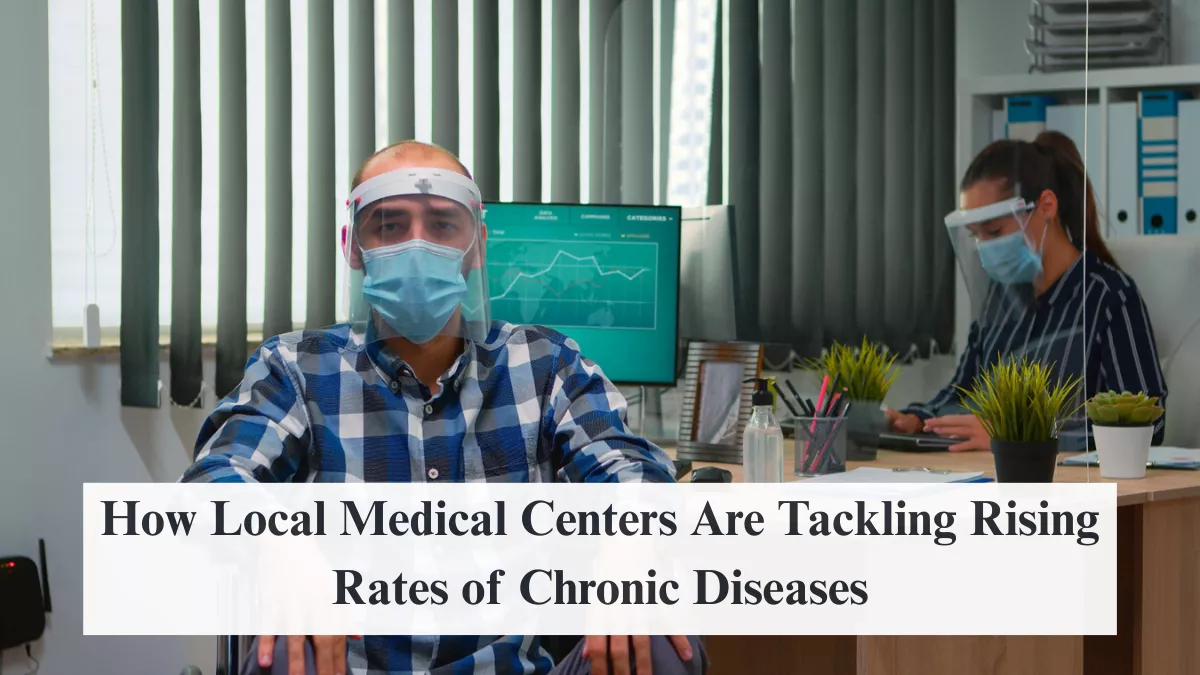
Chronic diseases such as diabetes, hypertension, heart disease, respiratory disorders, and obesity have emerged as leading public health challenges worldwide. Rising rates of these conditions place significant strain on healthcare systems, increase healthcare costs, and reduce quality of life for affected individuals.
Local medical centers are increasingly at the forefront of addressing this crisis, combining clinical care, preventive initiatives, wellness programs, and community outreach to manage and reduce chronic disease prevalence. By focusing on both treatment and prevention, these centers play a crucial role in improving individual health outcomes and fostering healthier communities.
 How Community Hospitals Are Using AI to Improve Diagnostic Accuracy
Understanding the Rise in Chronic Diseases
Several factors contribute to the rising prevalence of chronic diseases. Lifestyle changes, including poor dietary habits, sedentary behavior, tobacco use, and excessive alcohol consumption, have contributed to increasing rates of obesity, diabetes, and cardiovascular disorders. Environmental factors, such as urbanization, pollution, and limited access to green spaces, further exacerbate health risks.
Additionally, aging populations and genetic predispositions increase susceptibility to chronic illnesses. Recognizing these trends, local medical centers have adopted comprehensive strategies to address both the underlying causes and clinical consequences of chronic conditions.
 The Role of Local Medical Centers in Promoting Heart Health Awareness
The Role of Local Medical Centers in Chronic Disease Management
Local medical centers serve as primary access points for healthcare, offering routine screenings, diagnosis, and management of chronic conditions.
They are uniquely positioned to deliver ongoing, personalized care due to their accessibility, familiarity with the community, and ability to develop long-term patient relationships. By combining clinical expertise with preventive care, these centers provide coordinated services that address medical, lifestyle, and psychosocial factors. This integrated approach improves patient adherence to treatment plans, reduces complications, and enhances overall quality of life.
 How Mobile Clinics Are Expanding Healthcare Access in Underserved Areas
Early Detection and Screening Programs
Early detection is essential for effective management of chronic diseases. Local medical centers implement routine screening programs for conditions such as diabetes, hypertension, hyperlipidemia, and obesity. These screenings often include blood tests, blood pressure monitoring, body mass index (BMI) assessments, and lifestyle evaluations.
By identifying risk factors and early-stage disease, medical centers can intervene before conditions progress to severe complications. Early intervention not only improves health outcomes but also reduces long-term healthcare costs by minimizing hospitalizations and advanced treatments.
 Why Hospital-Based Exercise Programs Improve Patient Recovery Rates
Personalized Care and Chronic Disease Management Plans
Local medical centers develop individualized care plans for patients with chronic diseases. These plans address medical treatment, lifestyle modifications, medication adherence, and monitoring schedules. Multidisciplinary teams, including physicians, nurses, dietitians, and health coaches, collaborate to ensure comprehensive care.
Personalized care improves patient engagement, encourages self-management, and enhances adherence to treatment protocols. By tailoring interventions to each patient’s specific needs, local centers optimize outcomes and provide a more patient-centered approach to chronic disease management.
 How Community Hospitals Are Supporting Nutrition and Lifestyle Education
Integration of Lifestyle and Wellness Programs
Lifestyle interventions are critical in preventing and managing chronic diseases. Local medical centers offer wellness programs that promote physical activity, balanced nutrition, stress management, and weight control. Exercise classes, nutrition counseling, smoking cessation programs, and mindfulness workshops are integrated into patient care plans.
These programs empower patients to adopt healthier behaviors, reduce disease progression, and improve overall well-being. Combining clinical care with lifestyle interventions ensures that patients receive holistic support, addressing both medical and behavioral aspects of chronic diseases.
Community Outreach and Education
Education and community engagement are central to reducing the burden of chronic diseases. Local medical centers conduct public health campaigns, workshops, and seminars to raise awareness about risk factors, preventive measures, and healthy lifestyle practices. Outreach programs may target schools, workplaces, senior centers, and underserved populations to ensure broad access to health education.
By equipping communities with knowledge and resources, medical centers encourage proactive health behaviors, facilitate early intervention, and foster a culture of wellness that supports chronic disease prevention.
Collaborative Care Models
Effective chronic disease management requires collaboration across multiple healthcare disciplines. Local medical centers adopt collaborative care models that involve primary care providers, specialists, dietitians, behavioral health professionals, and community health workers. Coordinated care ensures that patients receive comprehensive treatment that addresses medical, lifestyle, and psychological needs.
Communication among providers allows for timely adjustments to care plans, reduces duplication of services, and enhances patient outcomes. Collaborative models strengthen the ability of local centers to manage complex chronic conditions effectively.
Telemedicine and Digital Health Initiatives
Technology plays an increasingly important role in chronic disease management. Local medical centers leverage telemedicine and digital health tools to monitor patients remotely, provide virtual consultations, and deliver educational content. Remote monitoring devices track vital signs, blood glucose levels, blood pressure, and physical activity, allowing clinicians to adjust treatment plans in real time.
Telehealth improves access for patients with mobility challenges, transportation barriers, or geographic limitations, ensuring continuity of care and timely intervention. Digital health initiatives also support patient engagement, adherence, and self-management.
Behavioral Health and Chronic Disease
Mental health significantly impacts chronic disease management. Conditions such as depression, anxiety, and stress can exacerbate diabetes, cardiovascular disease, and obesity.
Local medical centers integrate behavioral health services into chronic disease care, providing counseling, cognitive-behavioral therapy, stress reduction programs, and support groups. Addressing psychological well-being enhances adherence to medical and lifestyle interventions, reduces complications, and improves overall quality of life. By combining behavioral health with clinical care, local centers offer comprehensive, patient-centered chronic disease management.
Addressing Social Determinants of Health
Chronic disease prevalence is influenced by social determinants, including income, education, housing, access to healthy foods, and healthcare availability. Local medical centers implement programs to address these determinants, partnering with community organizations, social services, and public health agencies.
Initiatives may include providing transportation to appointments, connecting patients with affordable food programs, and offering education on managing chronic conditions in resource-limited settings. Addressing social determinants ensures equitable access to care, reduces disparities, and enhances community health outcomes.
Nutrition and Dietary Counseling
Diet plays a crucial role in managing chronic diseases. Local medical centers provide nutrition counseling to support patients with diabetes, hypertension, cardiovascular disease, and obesity.
Dietitians assess individual dietary habits, create personalized meal plans, and provide education on portion control, balanced nutrition, and meal preparation. Nutrition programs often extend to community workshops, cooking demonstrations, and educational materials to promote healthy eating habits. By emphasizing nutrition, medical centers help patients prevent disease progression and maintain long-term health.
Exercise and Physical Activity Programs
Physical activity is a key component of chronic disease management. Local medical centers offer exercise programs, fitness classes, and rehabilitation services tailored to patients’ abilities and medical conditions. Supervised exercise plans improve cardiovascular health, enhance mobility, manage weight, and reduce stress.
Programs may include low-impact aerobics, strength training, yoga, and walking groups. Encouraging regular physical activity supports long-term disease management, enhances patient well-being, and contributes to overall community health.
Patient Engagement and Self-Management
Empowering patients to manage their chronic conditions is critical for long-term success. Local medical centers implement patient engagement programs that teach self-monitoring, symptom tracking, medication adherence, and lifestyle modifications.
Educational workshops, mobile health apps, and support groups provide tools for patients to actively participate in their care. Engaged patients are more likely to adhere to treatment plans, attend follow-up appointments, and make healthier choices. Self-management reduces complications, hospitalizations, and healthcare costs while improving quality of life.
Preventive Care and Risk Reduction
Preventive care is a cornerstone of chronic disease control. Local medical centers provide vaccinations, health screenings, blood pressure and cholesterol checks, and early intervention programs. Identifying and addressing risk factors before they develop into chronic conditions is crucial for reducing long-term health burdens. Preventive care initiatives, combined with community education and lifestyle programs, empower individuals to take proactive steps to protect their health and prevent disease progression.
Integration of Technology and Data Analytics
Local medical centers utilize technology and data analytics to enhance chronic disease management. Electronic health records (EHRs) track patient history, medications, lab results, and treatment plans. Predictive analytics identify high-risk patients and facilitate timely interventions.
Data-driven insights help clinicians tailor care, monitor outcomes, and allocate resources effectively. By leveraging technology, medical centers improve efficiency, patient outcomes, and the overall effectiveness of chronic disease management programs.
Chronic Disease Management for High-Risk Populations
Certain populations are more vulnerable to chronic diseases, including older adults, minority groups, and individuals with low socioeconomic status. Local medical centers develop targeted programs for high-risk groups, providing culturally sensitive care, accessible resources, and specialized interventions. High-risk patients benefit from personalized monitoring, education, and support, reducing disparities and improving overall health outcomes within the community.
Community-Based Programs and Partnerships
Collaboration with community organizations enhances chronic disease prevention and management. Local medical centers partner with schools, workplaces, fitness centers, and social service agencies to extend health programs beyond the clinic. Community initiatives include health fairs, screening events, nutrition education, fitness challenges, and chronic disease workshops. These partnerships increase awareness, encourage healthy behaviors, and strengthen community-wide engagement in chronic disease prevention.
Medication Management and Adherence Support
Medication adherence is crucial for controlling chronic diseases. Local medical centers provide pharmacy services, medication counseling, and reminder programs to support patients in taking prescribed treatments correctly. Pharmacists collaborate with physicians to adjust dosages, monitor side effects, and address barriers to adherence. Proper medication management reduces complications, prevents hospital readmissions, and enhances patient outcomes, particularly for conditions such as diabetes, hypertension, and heart disease.
Telehealth and Remote Monitoring for Chronic Care
Telehealth and remote monitoring technologies improve access and continuity of care for chronic disease patients. Patients can consult healthcare providers virtually, submit health data remotely, and receive timely feedback on treatment progress. Remote monitoring devices track vital signs, glucose levels, heart rate, and physical activity. Telehealth reduces the need for frequent clinic visits, enhances convenience, and allows clinicians to detect early warning signs, ensuring prompt interventions and improved disease management.
Addressing Behavioral Risk Factors
Behavioral risk factors, including smoking, poor diet, physical inactivity, and alcohol use, contribute to the development and progression of chronic diseases. Local medical centers implement programs to modify these behaviors through counseling, support groups, educational campaigns, and lifestyle coaching. Behavioral interventions complement medical treatments and preventive care, enhancing the effectiveness of chronic disease management and reducing long-term health risks.
Monitoring Outcomes and Continuous Improvement
Local medical centers continually evaluate the effectiveness of chronic disease programs by monitoring patient outcomes, satisfaction, and adherence to treatment plans. Data collection and analysis identify gaps, inform quality improvement initiatives, and guide program development. Continuous monitoring ensures that interventions remain effective, evidence-based, and responsive to community needs. This iterative approach strengthens chronic disease management and promotes sustained health improvements.
Policy Advocacy and Public Health Initiatives
Local medical centers advocate for policies that support chronic disease prevention, healthcare access, and community wellness. Initiatives may include promoting healthy school meals, urban planning for active living, workplace wellness programs, and public health campaigns. Policy engagement complements clinical and community-based programs, creating a supportive environment that reinforces healthy behaviors and reduces chronic disease prevalence.
Reducing Healthcare Costs Through Prevention and Management
Effective chronic disease management reduces long-term healthcare costs. By preventing complications, hospitalizations, and emergency visits, local medical centers contribute to more sustainable healthcare systems. Preventive care, patient education, wellness programs, and coordinated care plans all reduce the financial burden on patients, families, and healthcare providers. Cost-effective management ensures access to quality care while promoting community health and well-being.
Building a Culture of Health in Communities
Local medical centers play a pivotal role in fostering a culture of health that prioritizes prevention, wellness, and proactive care. Community outreach, education programs, wellness initiatives, and accessible clinical services encourage residents to adopt healthy lifestyles and seek timely medical care. By embedding health promotion into daily life, local centers contribute to long-term reductions in chronic disease prevalence and improved overall quality of life for community members.
Conclusion
Rising rates of chronic diseases pose significant challenges to public health and healthcare systems. Local medical centers address this crisis through comprehensive strategies that combine clinical care, preventive services, lifestyle interventions, community outreach, and patient education. By offering early detection, personalized care plans, wellness programs, telehealth services, and support for high-risk populations, these centers improve health outcomes, reduce complications, and enhance quality of life.
Collaborative care models, data-driven insights, and community partnerships strengthen the effectiveness of interventions, ensuring sustainable, long-term improvements in population health. Through these multifaceted approaches, local medical centers play a central role in tackling chronic diseases, promoting healthier communities, and fostering resilience in the face of ongoing public health challenges.
FAQ
Q1: How do local medical centers reduce chronic disease rates?
Through early detection, personalized care, wellness programs, education, and lifestyle interventions.
Q2: Can community-based programs prevent chronic conditions?
Yes, programs promoting healthy habits, screenings, and education significantly reduce risk and prevent disease progression.