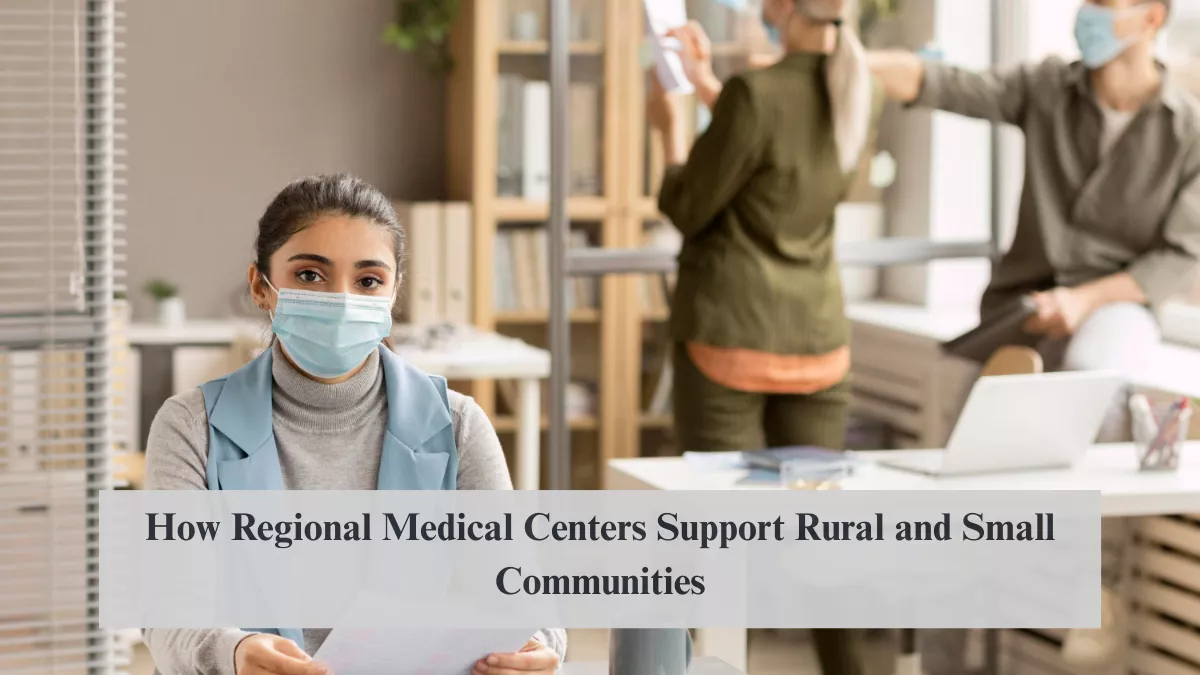
Regional medical centers play a critical role in sustaining the health and well-being of rural and small communities that often face limited access to healthcare services. These centers act as essential hubs, delivering comprehensive medical care closer to home while reducing the need for long-distance travel. For residents of smaller communities, regional medical centers provide timely treatment, preventive services, and emergency care that can be life saving. They also support local economies by creating jobs and attracting healthcare professionals to underserved areas.
Beyond clinical services, regional medical centers foster trust by building long-term relationships with patients and families. Their presence strengthens community resilience, especially during public health emergencies or natural disasters. In an era when many rural hospitals struggle to remain open, understanding how regional medical centers support small communities highlights their importance. These institutions bridge healthcare gaps, promote equity, and ensure rural populations receive reliable, high-quality medical care consistently.
 How Community Hospitals Are Using AI to Improve Diagnostic Accuracy
Improving Access to Essential Healthcare
Regional medical centers significantly improve access to essential healthcare services for rural and small communities. Many residents in these areas face geographic isolation and transportation challenges that limit their ability to reach distant hospitals. By offering services closer to home, regional centers reduce delays in diagnosis and treatment. This accessibility is especially important for seniors, individuals with chronic conditions, and families with limited mobility.
Regional medical centers provide routine checkups, diagnostic services, and specialist consultations that might otherwise be unavailable locally. Improved access encourages earlier care seeking, which leads to better health outcomes. These centers also reduce overcrowding at urban hospitals by managing local needs efficiently. For small communities, having nearby healthcare services increases confidence and security. Access to care is not just about distance but also reliability. Regional medical centers ensure consistent, dependable healthcare availability for rural populations.
 The Role of Local Medical Centers in Promoting Heart Health Awareness
Delivering Emergency and Trauma Care
Emergency and trauma care are among the most vital services regional medical centers provide to rural communities. In emergencies, time is critical, and long travel distances can mean the difference between life and death. Regional centers offer emergency departments equipped to stabilize patients quickly and effectively. They manage injuries, cardiac events, respiratory crises, and other urgent conditions that require immediate attention.
For many rural residents, these centers are the first and only line of defense during emergencies. Staffed with trained professionals, regional medical centers coordinate rapid response and transfer when higher-level care is needed. Their presence reduces mortality rates and improves survival outcomes. Emergency preparedness also extends to disaster response, where regional centers support community resilience. By delivering prompt emergency care locally, regional medical centers provide reassurance and safety for small communities facing unpredictable health crises.
 How Mobile Clinics Are Expanding Healthcare Access in Underserved Areas
Supporting Preventive and Primary Care
Preventive and primary care are foundational to long-term community health, and regional medical centers play a key role in delivering these services. Regular screenings, immunizations, and wellness visits help detect health issues early and prevent disease progression. For rural populations, access to preventive care reduces reliance on emergency services. Regional centers often serve as medical homes, offering continuity of care through trusted providers. This ongoing relationship encourages patients to maintain regular checkups and follow treatment plans.
Preventive services also address community-specific health risks, such as occupational injuries or chronic conditions. By focusing on prevention, regional medical centers lower healthcare costs and improve quality of life. They educate patients about healthy behaviors and disease management. Supporting primary care locally strengthens overall health systems and ensures rural communities remain healthier over time.
 Why Hospital-Based Exercise Programs Improve Patient Recovery Rates
Expanding Access to Specialized Services
Regional medical centers help bridge gaps in specialty care for rural and small communities. While not all advanced services are available locally, regional centers often provide key specialties such as cardiology, orthopedics, and obstetrics. Visiting specialists and telemedicine partnerships expand care options without requiring extensive travel. Access to specialized services improves outcomes for complex conditions and reduces delays in treatment.
Regional centers coordinate referrals efficiently, ensuring continuity between local and tertiary care. For patients, receiving specialized care closer to home reduces stress and financial burden. These services also attract skilled healthcare professionals to rural regions. By expanding specialty access, regional medical centers enhance healthcare equity. They ensure rural residents receive comprehensive care comparable to urban populations, supporting better health outcomes and community confidence in local healthcare systems.
 How Community Hospitals Are Supporting Nutrition and Lifestyle Education
Strengthening Maternal and Family Health
Maternal and family health services are essential in rural areas, and regional medical centers provide critical support in this area. Access to prenatal care, labor and delivery services, and pediatric care ensures healthier outcomes for mothers and children. Without local services, families may face long travel during pregnancy or childbirth, increasing risks. Regional centers offer education, screenings, and ongoing support for families. These services help identify complications early and provide timely interventions.
Pediatric care supports childhood development and disease prevention. Family-centered care builds trust and continuity across generations. Regional medical centers also collaborate with community programs to support nutrition and wellness. By strengthening maternal and family health, these centers contribute to population stability and long-term community well-being in rural and small communities.
Supporting Aging Rural Populations
Many rural communities have aging populations with increasing healthcare needs. Regional medical centers play a vital role in supporting older adults through accessible and coordinated care. Services such as chronic disease management, rehabilitation, and preventive screenings help seniors maintain independence. Proximity to care reduces the burden of travel for individuals with mobility challenges.
Regional centers also provide education for caregivers and families, improving home-based support. Geriatric-focused care addresses complex health needs common in aging populations. By managing conditions locally, regional centers reduce hospital readmissions and complications. They also coordinate with home health and long-term care services. Supporting aging residents allows seniors to remain in their communities longer. Regional medical centers therefore contribute to dignity, quality of life, and stability for rural elderly populations.
Promoting Mental and Behavioral Health Services
Mental and behavioral health services are often limited in rural areas, making regional medical centers essential providers. These centers integrate mental health care with primary services, reducing stigma and improving access. Counseling, crisis intervention, and substance use treatment address critical community needs. Rural populations face unique stressors, including isolation and economic challenges.
Regional centers provide early intervention and ongoing support, improving outcomes. Telehealth services further expand reach, connecting patients with specialists remotely. Coordinated care ensures mental health is treated alongside physical health. By offering local behavioral health services, regional medical centers strengthen overall community wellness. Improved mental health support reduces emergency visits and supports social stability. These services are vital for fostering resilient, healthy rural communities.
Creating Local Jobs and Economic Stability
Beyond healthcare delivery, regional medical centers contribute significantly to local economies. They create stable jobs for medical professionals, support staff, and service providers. Employment opportunities attract skilled workers and encourage families to remain in rural areas.
Economic stability supports community development and infrastructure growth. Regional centers also stimulate local businesses through purchasing and partnerships. A strong healthcare presence increases community attractiveness for new residents and employers. Economic benefits extend beyond direct employment to education and training opportunities. By investing in local workforce development, regional medical centers build long-term sustainability. Their role as anchor institutions strengthens financial resilience. Supporting economic stability through healthcare infrastructure ensures rural and small communities can thrive socially and economically.
Enhancing Community Trust and Engagement
Trust is fundamental to effective healthcare, and regional medical centers cultivate strong community relationships. Familiar providers and staff build long-term connections with patients and families. This trust encourages individuals to seek care promptly and follow medical advice. Regional centers often engage in community outreach, education, and health initiatives.
These efforts address local health priorities and promote awareness. Community engagement fosters collaboration between healthcare providers and residents. Transparency and responsiveness strengthen confidence in local services. During crises, trusted regional centers serve as reliable sources of information and care. By maintaining close ties with communities, regional medical centers reinforce social cohesion. Trust and engagement ensure healthcare delivery aligns with local needs and values.
Supporting Care Coordination and Continuity
Care coordination is especially important in rural healthcare, and regional medical centers serve as central organizers. They coordinate services across primary care, specialty care, and external providers. Effective coordination reduces duplication, errors, and gaps in care. Patients benefit from smoother transitions between services and settings. Regional centers maintain comprehensive records and communication channels. This continuity is critical for managing chronic conditions and complex cases.
Coordinated care also supports efficient use of resources. For rural residents, having a central healthcare hub simplifies navigation of the system. Regional medical centers ensure care remains connected and patient focused. This coordination improves outcomes, satisfaction, and efficiency in small community healthcare systems.
Adapting to Rural Healthcare Challenges
Regional medical centers continually adapt to the unique challenges of rural healthcare delivery. Workforce shortages, limited funding, and geographic barriers require innovative solutions. These centers leverage telehealth, partnerships, and community programs to extend services.
Flexibility allows them to respond to changing population needs. Regional centers often integrate social services to address broader determinants of health. Their adaptability ensures continuity despite external pressures. By tailoring services to local realities, they maintain relevance and effectiveness. Regional medical centers advocate for rural health needs at policy levels. Their ability to adapt strengthens healthcare resilience. In supporting rural and small communities, these centers remain essential pillars of accessible, sustainable medical care.
Last Thought
Regional medical centers are indispensable to rural and small communities, providing access, stability, and trust. Through comprehensive services, economic support, and community engagement, they ensure healthcare remains close to home. Their continued strength is essential for equitable, resilient rural healthcare systems.
FAQs
Why are regional medical centers important for rural areas?
They provide accessible healthcare services closer to home for rural residents.
Do regional medical centers offer emergency care?
Yes, they deliver essential emergency and trauma services locally.
How do regional centers support mental health?
They integrate counseling, crisis care, and telehealth mental health services.
Do regional medical centers help local economies?
Yes, they create jobs and support economic stability in small communities.