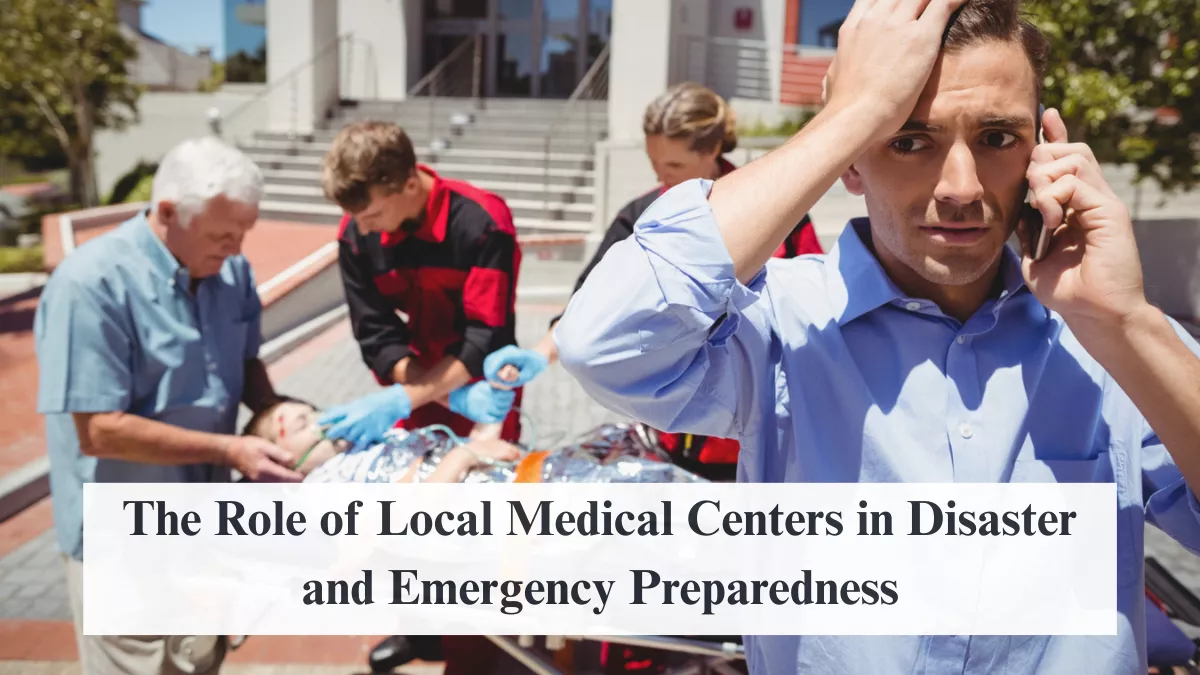
Disasters and emergencies, whether natural or man-made, pose significant threats to communities worldwide. From hurricanes and floods to pandemics and industrial accidents, the capacity to respond effectively determines the impact on public health and safety.
Local medical centers play a crucial role in disaster and emergency preparedness, serving as frontline institutions that provide immediate care, coordinate resources, and ensure the continuity of essential medical services. These centers are uniquely positioned to respond rapidly due to their proximity, community knowledge, and established infrastructure. Their involvement in preparedness planning not only saves lives during emergencies but also strengthens resilience within communities.
 How Community Hospitals Are Using AI to Improve Diagnostic Accuracy
Understanding Disaster and Emergency Preparedness
Disaster and emergency preparedness involves planning, organizing, training, and equipping healthcare facilities to respond effectively to crises. Preparedness is not limited to the acute response but also includes mitigation, recovery, and continuity of care. Local medical centers develop comprehensive emergency plans that address staffing, supplies, communication, patient triage, and coordination with public health authorities.
By anticipating potential threats, identifying vulnerabilities, and establishing protocols, medical centers ensure that they can provide timely, efficient, and safe care under challenging conditions. Preparedness also involves educating staff and the community, conducting drills, and continually updating plans based on evolving risks.
 The Role of Local Medical Centers in Promoting Heart Health Awareness
The Importance of Local Medical Centers in Preparedness
Local medical centers are essential in disaster preparedness due to their accessibility and centrality in communities. Unlike large regional hospitals that may serve broader populations, local centers are often embedded within neighborhoods, making them immediately available during emergencies.
Their staff are familiar with the local population, geography, and common health issues, which allows for tailored responses. These centers provide initial triage, stabilize patients, and coordinate transfers to larger facilities when necessary. Their readiness is critical to reducing morbidity and mortality during crises and maintaining public trust in healthcare services.
 How Mobile Clinics Are Expanding Healthcare Access in Underserved Areas
Emergency Planning and Risk Assessment
Effective preparedness begins with thorough risk assessment and emergency planning. Local medical centers evaluate potential hazards, such as natural disasters, disease outbreaks, chemical spills, and mass casualty incidents. They identify vulnerable populations, including the elderly, children, and individuals with chronic illnesses, to prioritize care.
Emergency plans outline response protocols, resource allocation, and communication strategies. Scenario-based planning ensures that staff understand their roles and responsibilities during various types of emergencies. Risk assessment allows medical centers to anticipate challenges, optimize resource utilization, and implement mitigation strategies to protect both patients and staff.
 Why Hospital-Based Exercise Programs Improve Patient Recovery Rates
Coordination With Public Health Authorities
Local medical centers collaborate closely with public health authorities, emergency management agencies, and community organizations. These partnerships facilitate information sharing, resource allocation, and coordinated responses during crises. Medical centers participate in regional emergency networks, contributing data, reporting cases, and supporting public health interventions.
Coordination ensures that healthcare delivery is organized, efficient, and responsive to evolving circumstances. By working alongside public health authorities, medical centers help manage community-wide emergencies and maintain continuity of essential health services.
 How Community Hospitals Are Supporting Nutrition and Lifestyle Education
Staff Training and Preparedness Drills
Staff training is critical for disaster readiness in local medical centers. Personnel must be familiar with emergency protocols, triage procedures, and crisis communication.
Regular drills and simulations allow teams to practice real-life scenarios, such as mass casualty events, infectious disease outbreaks, or natural disasters. Training ensures that staff can respond confidently and efficiently under pressure. It also identifies gaps in knowledge, equipment, or coordination that can be addressed before an actual emergency occurs. A well-trained workforce is the cornerstone of effective disaster response.
Resource Management and Supply Chain Readiness
Disasters often disrupt supply chains, making resource management a key component of preparedness. Local medical centers maintain inventories of critical supplies, including medications, personal protective equipment (PPE), surgical tools, and emergency rations.
Contingency plans outline procedures for sourcing additional resources during crises. Hospitals may establish agreements with suppliers, regional centers, and emergency response agencies to ensure access to essential items. Effective resource management allows centers to provide uninterrupted care, minimize delays, and protect both patients and healthcare workers during emergencies.
Patient Triage and Surge Capacity
During disasters, local medical centers often face surges in patient volume. Efficient triage systems are essential to prioritize care based on the severity of injuries or illness. Medical centers establish surge capacity plans that outline staffing adjustments, use of alternative care spaces, and coordination with other facilities for patient transfers.
Surge planning ensures that resources are allocated effectively, preventing overcrowding and maintaining safety standards. By managing patient flow strategically, local centers enhance their ability to provide timely and appropriate care during high-demand periods.
Continuity of Care for Vulnerable Populations
Vulnerable populations, including the elderly, individuals with disabilities, and those with chronic conditions, require special attention during emergencies.
Local medical centers develop strategies to maintain continuity of care for these groups. This may involve proactive outreach, medication refills, home care coordination, and transportation assistance. By ensuring that vulnerable individuals continue to receive essential services, medical centers reduce health disparities, prevent complications, and improve recovery outcomes during and after disasters.
Integration of Holistic and Mental Health Support
Disasters have significant psychological and emotional impacts. Local medical centers integrate mental health services, including counseling, stress management, and psychosocial support, into emergency response plans. Holistic approaches, such as mindfulness training and peer support, help patients and staff cope with trauma and anxiety. Addressing mental health is critical to overall recovery and resilience.
By incorporating psychological care into preparedness strategies, medical centers promote comprehensive well-being alongside physical health during emergencies.
Communication and Information Systems
Clear communication is essential for effective disaster response. Local medical centers utilize multiple communication channels, including phone trees, radio systems, digital platforms, and public announcements, to relay information to staff, patients, and the community.
Information systems track patient data, bed availability, resource allocation, and operational status. Reliable communication ensures coordination, prevents misinformation, and enables timely decision-making. Effective information management strengthens hospital response capabilities and enhances community trust during crises.
Community Engagement and Public Education
Preparedness extends beyond hospital walls into the broader community. Local medical centers engage residents through educational programs, workshops, and public awareness campaigns. Topics may include first aid, evacuation procedures, disease prevention, and emergency contact protocols.
Community engagement fosters resilience, equips individuals to respond appropriately, and reduces the burden on healthcare facilities during disasters. By empowering residents with knowledge and resources, medical centers create a collaborative approach to emergency preparedness.
Collaboration With Regional and National Agencies
Local medical centers coordinate with regional and national emergency response agencies, including FEMA, CDC, and state health departments. These partnerships provide access to additional resources, technical guidance, and logistical support during large-scale disasters.
Collaborative networks ensure consistency in response strategies, data reporting, and patient care standards across jurisdictions. Integration with higher-level agencies strengthens local preparedness and allows medical centers to participate in broader disaster response initiatives effectively.
Emergency Infrastructure and Facility Preparedness
Physical infrastructure plays a critical role in hospital preparedness. Local medical centers evaluate building integrity, power backup systems, water supply, and infection control facilities to withstand disasters. Emergency infrastructure planning includes establishing isolation units, temporary care spaces, and safe evacuation routes.
Maintaining resilient facilities ensures that hospitals remain operational during crises and can provide continuous care even under adverse conditions. Investing in infrastructure preparedness is essential to protect both patients and healthcare staff during emergencies.
Technology and Telemedicine in Disaster Response
Technology enhances the ability of local medical centers to respond during disasters. Telemedicine allows remote consultations, reducing patient travel and exposure risks during emergencies. Electronic health records provide access to patient history, medications, and treatment plans, ensuring continuity of care.
Mobile applications and digital alerts disseminate critical information rapidly. By leveraging technology, medical centers extend their capacity, improve decision-making, and maintain high-quality care under challenging circumstances.
Logistics and Coordination for Mass Casualty Events
Mass casualty events demand meticulous logistics and coordination. Local medical centers establish protocols for patient intake, triage, resource deployment, and inter-facility transfers.
Collaboration with emergency medical services, law enforcement, and community organizations ensures rapid response and resource optimization. Efficient logistics minimize delays, prevent system overload, and save lives. Planning for mass casualty events enhances hospital readiness for diverse emergency scenarios.
Training Volunteers and Auxiliary Staff
Disaster preparedness often involves volunteers and auxiliary staff who support hospital operations. Local medical centers provide training in emergency protocols, patient handling, and administrative support.
Volunteers assist with crowd management, patient transport, and logistical tasks, freeing professional staff to focus on critical care. Structured training ensures that all personnel contribute effectively, maintaining safety and efficiency during emergency response.
After-Action Reviews and Continuous Improvement
Following a disaster or emergency, local medical centers conduct after-action reviews to assess performance, identify gaps, and implement improvements. Feedback from staff, patients, and community partners informs revisions to emergency plans, training programs, and operational procedures.
Continuous improvement ensures that hospitals are better prepared for future events and can provide safer, more effective care. This iterative process strengthens resilience and fosters a culture of preparedness.
Integration With Public Health Initiatives
Local medical centers collaborate with public health initiatives to prevent and mitigate disasters. Programs may include vaccination campaigns, disease surveillance, and health education.
Coordination with public health authorities enables early detection of outbreaks, rapid response to environmental hazards, and efficient allocation of resources. By integrating hospital preparedness with broader public health strategies, communities achieve a more comprehensive and effective emergency response framework.
Supporting Recovery and Long-Term Resilience
Preparedness extends beyond immediate response to include recovery and long-term resilience. Local medical centers provide follow-up care, rehabilitation services, mental health support, and community outreach after disasters. These efforts help individuals and communities regain stability, reduce long-term health impacts, and restore normalcy.
Hospitals also participate in community planning, advising on infrastructure improvements, risk mitigation strategies, and health system resilience, contributing to sustainable disaster preparedness.
Ethical Considerations in Disaster Response
Ethical decision-making is critical during disasters, particularly when resources are limited or triage decisions are necessary. Local medical centers establish ethical guidelines and training to support fair, transparent, and equitable care. Staff are educated on prioritization principles, patient rights, and culturally sensitive care.
Ethical preparedness ensures that hospitals maintain trust, uphold professional standards, and provide just care even under challenging circumstances.
Community Partnerships and Collaborative Planning
Partnerships with community organizations, schools, businesses, and faith-based groups strengthen disaster preparedness. Local medical centers coordinate planning exercises, resource sharing, and public education initiatives with these partners. Collaborative planning fosters resilience, enhances communication networks, and ensures that vulnerable populations receive timely support during emergencies.
Engaging community stakeholders creates a shared responsibility for preparedness and improves overall outcomes.
Funding and Resource Allocation
Adequate funding is essential for effective preparedness. Local medical centers advocate for financial support to maintain emergency supplies, infrastructure upgrades, training programs, and technology systems.
Resource allocation planning prioritizes critical areas, including emergency medications, PPE, and surge capacity. Ensuring sufficient funding and strategic resource management enables hospitals to respond efficiently and sustain operations during prolonged crises.
The Future of Disaster Preparedness in Local Hospitals
The evolving nature of disasters, including climate change, pandemics, and technological hazards, requires local medical centers to continuously adapt preparedness strategies. Future approaches will likely integrate advanced data analytics, predictive modeling, telehealth, and interagency collaboration. Emphasis on community engagement, equity, and resilience will guide preparedness planning.
By staying proactive, adaptable, and innovative, local medical centers will continue to serve as essential pillars of disaster response and community health protection.
Conclusion
Local medical centers are critical in disaster and emergency preparedness, providing immediate care, coordinating resources, and ensuring continuity of essential services. Their proximity to communities, understanding of local needs, and ability to collaborate with public health authorities and community organizations position them as frontline responders.
Through comprehensive planning, staff training, resource management, technology integration, and ethical decision-making, these centers enhance community resilience and save lives during crises. By prioritizing disaster preparedness, local medical centers not only protect patients during emergencies but also strengthen the long-term health and stability of the communities they serve.
FAQ
Q1: What role do local medical centers play during disasters?
They provide immediate care, coordinate resources, and maintain continuity of essential health services.
Q2: How do hospitals prepare for emergencies?
Through risk assessment, staff training, supply management, drills, and collaboration with public health agencies.